by Gary Mays | Mar 24, 2013 | Bathrooms, Blocked drain, Consumer Issues, drain fly, Drain Odours, Gold Coast Plumbing, Health Issues, Plumbing Maintenance
Recently here at Whywait Plumbing, we have had several calls from clients who are concerned they are about to be overrun by small drain flies in their bathroom. Generally, the concern is that they are in large numbers, and no matter what is done to kill them, every drain fly seems to multiply as there is always more the next day.
Cleaning Your Drains Doesn’t Get Rid Of A Drain Fly
Many clients had cleaned the bathroom until it could be cleaned no more. So by process of elimination, they had decided that they were coming out of one of the drains in the bathroom. Frustratingly no matter how often some clients sat and observed the drains, they never saw any of the drain flies emerging from the drain in the shower or basin or the floor waste. Many clients describe them as lazy flies, accumulating on the bathroom walls and seldom flying.
Most people observed that the flying drain flies were mainly sitting on the walls or ceiling in the bathroom. We can confirm that everyone was experiencing what is commonly known as drain flies or bathroom flies emerging from the floor waste drain where they breed.
What Do Drain Flies Look Like

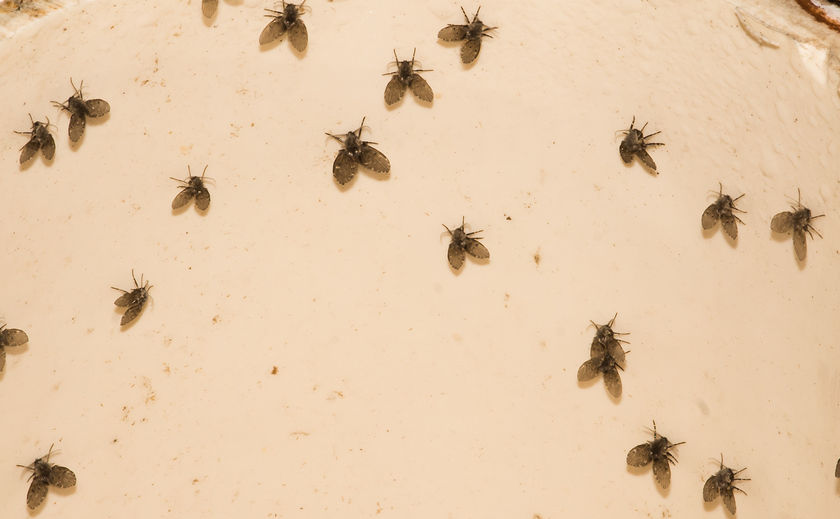
A typical-looking drain fly on a bathroom wall
Drain flies are dark grey and 2mm – 4mm long with hairy moth-like wings. They have a jerky flight as they are weak fliers and usually are found close to the floor waste drain or other areas of origin, such as the shower or bath waste. This is why they seldom stray outside the bathroom. In most cases, they are breeding in the bathroom floor waste trap.
Drain flies do not bite and are not known to transmit diseases of any sort. They do not damage clothes or linen and are considered to be more of an unsightly nuisance value in your home.
The adult drain flies and larvae can be controlled by eliminating or reducing breeding sites. If the infestation is minor, pouring bleach into the floor trap will usually kill them. However, if that does not solve the problem, then you will need to kill them by thoroughly cleaning the drain lines and or sealing the floor trap.
They continually seem to be in large numbers despite always killing them because eggs hatch in 32 to 48 hours when the temperature is above 20 degrees. The larvae mature in 9 to12 days and feed on the decaying organic matter that accumulates in the floor waste trap. The life cycle of drain flies is 1-3 weeks. Adults drain flies live about two weeks, with old ones dying and new ones emerging. They feed on the wastewater in the floor waste trap. During the day, the adults rest in shaded areas under the basin or on walls near plumbing fixtures and showers and baths. Most activity occurs during the evening when the flies are seen hovering about.
Septic Tanks Breeders
If you are on acreage and have septic tanks or treatment plants, they may breed in large numbers in and around the tanks. Drain flies may be carried by prevailing wind to nearby homes up to 3 kilometres away. Adult drain flies are small enough to pass through ordinary window insect mesh screens.
Thorough Cleaning of Drains and Traps
It is the experience of Whywait Plumbing that cleaning the drains from the basin, shower and bath that discharge into the floor trap is only part of the answer. It is also beneficial to clean the floor waste trap and grate thoroughly. We recommend cleaning the whole area with No–Rinse Floor Cleaner, Sanitiser & Disinfectant, which will clean and disinfect the floor and drain. We don’t recommend the need to continually pour chemicals such as bleach down the drain as it is washed away as soon as you use any water in the basin or shower fixtures.
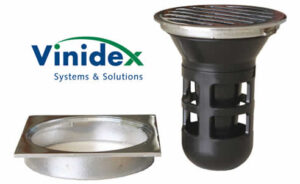 Drain PRO™ – The Drain Fly Solution
In 2010 Gary and Michele Mays, the owners of Whywait Plumbing Services, went through this entire experience of drain flies invading their ensuite bathroom. Gary Mays installed a Drain PRO™ unit into the floor waste, which prevents not only drain flies but also bacteria, odours and insects from exiting through the drain into the bathroom.
It is three years since the installation of the Drain PRO™ units in all of the bathroom floor traps in their home, and they have eliminated the reoccurrence of the annoying tiny lazy drain flies.
If you are experiencing the annoyance of drain flies that will not go away, call Whywait Plumbing at (07) 5580 4311 to book a service call so we can eliminate them once and for all.
by Gary Mays | Mar 18, 2013 | Bathrooms, City of Gold Coast, Consumer Issues, DIY Plumbing, Gold Coast Plumbing, Health Issues, Insurance, Plumber Brisbane, Plumbers, Plumbers Gold Coast, Plumbing Emergencies, Plumbing Legislation, Plumbing Maintenance, Plumbing Renovation, Queensland Government, Sustainable Plumbing, Whywait Plumbing
Cheap plumbing fixtures on-line and the desire for a bargain has created an on-line love affair to compare prices of supposedly comparable products and services.
It is a guarantee no matter how much you pay for any product or service you will always find it cheaper on-line. This has given rise to an increasing belief by many consumers that they have paid over the odds and have been ripped off because they found allegedly the same product or service on-line “cheaper”.
It is worth remembering that “cheap” has two meanings. Where plumbing products and services are concerned “cheap” is responsible for some colossally expensive problems. In fact a large amount of work undertaken by Whywait Plumbing is because of consumers who took the “cheap” option. The old adage that you get what you pay for is certainly truer today than at any other time in our history.
Plumbing products that are sold in Australia are subject to stringent testing, designed to ensure that they meet Australian Standards. Once plumbing products meet the required Australian standards they are granted a WaterMark. The product whether its a tap or a toilet or a hot water service or a urinal must display the WaterMark logo as pictured to the right on the product by law.
If you are buying plumbing products on-line from overseas or if your builder or plumber is doing this to cut costs then it is a sure bet that it will end up costing you much more than the money saved in repairs and replacement.
Always make sure you understand what you are paying for and ensure that it has a compliant Australian WaterMark approval. Using a non compliant non WaterMark approved product will null and void your insurance policy if the product is defective and causes property damage.
When you are upgrading or replacing or renovating you will comes across a lot of great looking plumbing products to select from and ones that make great claims in terms of durability and long-life. Usually they are much “cheaper” and are tempting to purchase for the price being offered. Generally where mixer taps and toilet suites are concerned the cheaper the price means corners have been cut in their production. If you cannot see the WaterMark on the product then do not purchase it.
Unfortunately in Australia it is not illegal for non compliant products to be imported and sold. It is however illegal for plumbers to install them. Listening to unqualified salesman who tell you how wonderful the cheap plumbing product is have lead many people to have expensive repairs undertaken. It is always best especially if renovating to stipulate any product supplied for your job meets or exceeds the relevant Australian Standard and or WaterMark for plumbing products.
By Gary Mays
by Gary Mays | May 26, 2012 | City of Gold Coast, Consumer Issues, Gold Coast City Council Plumbing Inspector, Gold Coast plumbers, Gold Coast Plumbing, Health Issues, Hot Water Heat Pump, Hot Water Solar, Hot Water Temperature, Hot water tempering valve, licensed plumber, plumbing inspectors, Plumbing Legislation
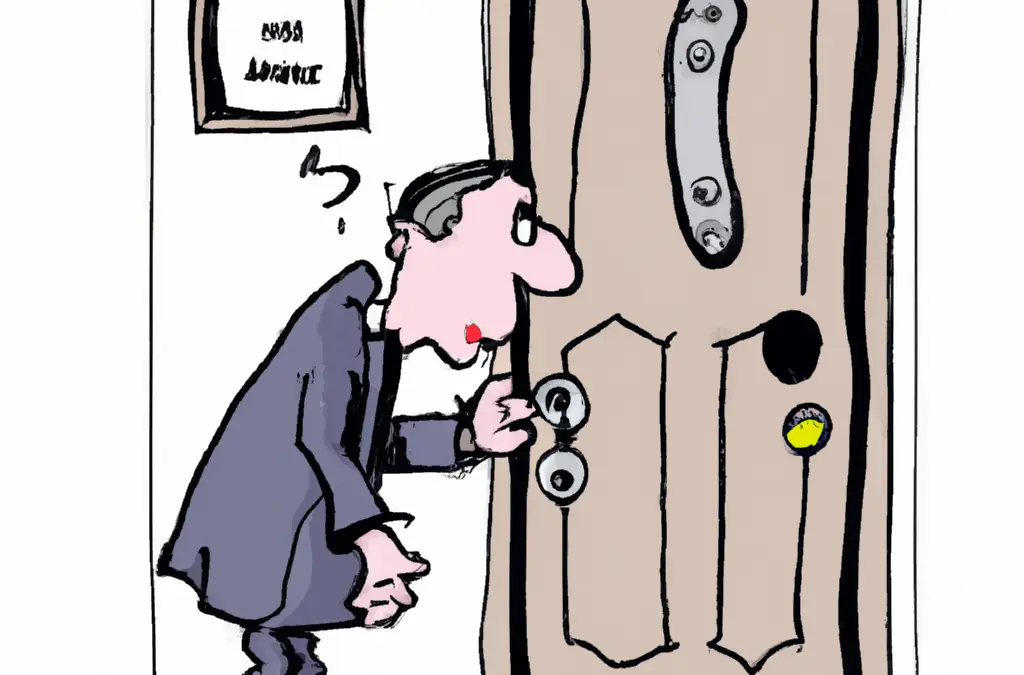
Gold Coast homeowners are increasingly subjected to allegedly “free compliance audits” by Gold Coast City Council plumbing inspectors. To justify their jobs in a depressed market with almost nil construction activity, Gold Coast City Council plumbing inspectors act like desperate door-to-door salesmen knocking on the doors of homeowners who have upgraded hot water systems. There is no legislative requirement for these audits to occur, and the homeowner does not need to allow them to enter their home.
To fill in time and justify their jobs, Gold Coast City Council plumbing inspectors are undertaking “audits” that are not requested and are unannounced. The plumbing inspectors are knocking on the door and stating they are there to inspect the hot water service. Legally they can assess the work if invited to do so by you. No Gold Coast plumber is asking them to evaluate the work, as none of us sees any value in doing so. Neither Gold Coast City Council nor its plumbing inspectors take any risk or responsibility, so their inspection is of no real value except to justify their jobs.
If Gold Coast City Council plumbing inspectors arrive unannounced at your door, he has no right of entry. He may request access by your invitation to inspect work that pertains to the form 4 plumbing contractors are legally obliged to lodge, but that is the absolute limit. If you refuse him entry, then he must immediately depart.
Unfortunately, the plumbing inspectors are loose with the truth and make out that they are legally obligated to undertake this audit. They do not inform homeowners that it is optional and not a legislative requirement.
The individual plumbing inspectors are not to blame for these events but are forced to do so as they work in an appalling atmosphere at Gold Coast City Council. It has been common knowledge within the plumbing industry for many years that the Gold Coast City Council plumbing inspectors are a deeply troubled organisation with bullying, abuse of power, nepotism, cronyism and double standards a daily occurrence.
Several clients of Whywait Plumbing that have received these unexpected visits were shocked when we phoned to say their hot water service we installed six months ago has had a defect notice issued. In every instant, as long as Whywait Plumbing receives the defect notice, we undertake the “repairs”, which invariably are that the tempering valve legally required to deliver hot water at 50 degrees is over temperature. To date, every home we have returned to is between 1-3 degrees over temperature. To see more information on the requirements of tempering valves and your obligations, click here.
Many of our clients have told us that they do not want the plumbing inspectors returning to their homes to re-audit. This we have conveyed via email to Gold Coast City Council plumbing inspectors on behalf of our clients. As a result, we had a phone call from the Gold Coast City Council Plumbing & Drainage Supervisor, Brian Till, recently, who informed us we should be encouraging our clients to have the re-audit undertaken; otherwise, we will remain responsible for the defects despite our notifying Gold Coast City Council that rectification work has been conducted.
Furthermore, Brian Till advised that the property will have registered against the title that there are outstanding plumbing defects which can have severe financial repercussions if you wish to sell your home.
If you get an unexpected knock on the door from a Gold Coast City Council plumbing inspector, we recommend you decline to allow them entry to your home. However, declining access does not affect you as they walk away, and the file is closed.
However, suppose you have had a defect notice issued. In that case, we recommend allowing a re-audit at a time that is suitable for you to ensure no defects are registered against your property. If you desire, we will attend at no cost to reassure you and ensure that due process is complied with.
by Gary Mays | Apr 17, 2012 | City of Gold Coast, Consumer Issues, Gold Coast Plumbing, Insurance, Marketing, Plumber Brisbane, Plumbers, Plumbers Gold Coast, Plumbing Emergencies, Plumbing Maintenance, Whywait Plumbing
Credit card payments to pay accounts is now the most common method of payment our clients use to pay for the plumbing services we provide at Whywait Plumbing. Yes we accept the following credit cards:
- American Express
- MasterCard
- Visa
And NO we don’t charge you any form of surcharge.
Unlike many companies Whywait Plumbing do not charge you a surcharge on credit card payments
From our perspective the fees the bank charges us to accept a credit card are negligible, with the benefits of same day payment far outweighing the bank fees.
This policy is unlikely to change as we continually see other companies charging excessively their own clients to make payment via a credit card. It is increasingly the norm with businesses that charge a surcharge for using a credit card to charge double what the bank charges them. This is disguised as administrative fees that would be incurred whether you pay by credit card, cash or cheque. Far too many companies are making additional profit from their own clients using a credit card.
At Whywait Plumbing we bank with Bendigo Bank and the fees they charge us for processing Visa and MasterCard is 0.72%. Unlike other banks Bendigo Bank deposit credit card payments into our bank account same day. With American Express it is slightly different as we have to pay 1.8% and it can take up to 48 hours for the money to be deposited into our bank account.
Put simply the installation of a toilet suite for a service partner costs $758.02 and if they pay by Visa or MasterCard the cost to us is $5.46. Even if they pay by American Express the cost is still $13.64. Either way you look at it those fees are much less than the administrative cost of sending out an invoice, then waiting for payment to arrive.
At Whywait Plumbing we guarantee we will never charge clients for the convenience of using a credit card to pay. We urge you to challenge the validity of businesses that frequently charge you 3-5% for using a credit card when it is highly unlikely they are paying anything like that to their bank.
by Gary Mays | Nov 15, 2011 | banging pipes, Consumer Issues, erosion and corrosion in plumbing pipes, Gold Coast Plumber, Gold Coast plumbers, Gold Coast Plumbing, Health Issues, Insurance coverage of water leaks, Leaking Pipes, PEX pipes, Plumbers, Plumbers Gold Coast, Plumbing Maintenance, water damage insurance claims, Water Filtration, Water Hammer, Water Leaks, water pipe pressure
Traditionally most homes used copper pipes to circulate hot and cold water. Since the 1970’s plastic pipes have increasingly replaced traditional copper or galvanised steel pipes.
Over the last ten years, pipe-in-pipe systems have been commonly installed to circulate water in most newly constructed homes. The inner pipe for drinking water is made of a plastic called cross-linked polyethylene (PEX).
Since the advent of plastic plumbing systems, there have always been questions regarding the effects on health and do they affect the taste and odour of drinking water. International studies have shown that plastic pipes can release substances that give drinking water an unwanted taste and odour. It has also been suggested that some of these substances may be carcinogenic.
Several investigations worldwide on health issues have been conducted, and most are inconclusive or positive. The Norwegian Institute of Public Health has just released a new study on whether leaching or leakage products from these pipes harm health and if they affect the taste and odour of drinking water. The potential leakage products consist of residues of additives used during manufacture to give plastic pipes their desired properties and any subsequent breakdown products.
The Norwegian study results indicated:
- There are no health risks associated with drinking water from PEX pipes
- A few types of PEX-pipe may cause prolonged undesirable taste and odour if the water remains in pipes over time
- Although the taste and odour usually dissipate with use, water from two PEX types still had an unpleasant smell and taste after a year.
- The volatile organic compounds that leaked from new PEX pipes were generally low.
- The level was further reduced with the use.
- No correlation was found between manufacturing methods and leaking products.
This study was undertaken far more scientifically than many tests or studies in Australia. It is common in Australia for international products that have undergone extensive testing to fail AS4020 based on a highly subjective taste test from a panel of 5 – 7 people. The Norwegian study tested ten different PEX pipe types for leaching products in a standardised laboratory test. The water was in contact with the tubes for 72 hours.
Three different manufacturing methods produce pipes known as PEX-a, PEX-b or PEX-c. These methods use slightly different additives, but this study found no correlation between production methods and leakage products. Two of the most commonly occurring substances detected in the experiment’s water were 2.4-di-tert-butyl-phenol and methyl-tert-butyl ether (MTBE). For three new pipe types, MTBE was detected in higher concentrations than the US government’s recommended limits for the taste and odour of drinking water (USEPA). Still, the values were reduced to below this limit after the tubes were used for a while.
This study confirms what the plumbing technicians at Whywait Plumbing frequently observe: no matter what type of pipe, there can be a taste or odour in new piping systems or where a house has been unoccupied. The taste and odour soon disappear once the water is in use in the house and is in constant circulation.

by Gary Mays | Aug 26, 2011 | bathroom renovation regret, Bathrooms, City of Gold Coast, Consumer Issues, Gold Coast Plumbing, Gold Coast Water, Plumbers, Plumbers Gold Coast, Toilets, Water Saving Tips, Waterless Urinals, ZeroFlush waterless urinals
Waterless urinals increase water sustainability

Falcon waterless urinals at The Oasis Shopping Centre installed by Whywait Plumbing in 1998
In 1998 Whywait Plumbing installed the first waterless urinals on the Gold Coast at The Oasis Shopping Centre. At that time the owners of The Oasis Shopping Centre, Thakral Holdings had as Engineering Director, Tony Harvey. Tony Harvey was ahead of his time focusing on setting sustainability targets for all Thakral properties in both electricity and water.
These first waterless urinals were fibreglass Falcon urinals with disposable cartridges. To say they were not successful was an understatement. We were continually servicing the Falcon urinals as they suffered from frequent blockages due to their cartridge design. The cost to replace cartridges constantly far outweighed the water-saving benefits at that time.
Servicing these Falcon waterless urinals became a detested task by Whywait’s plumbing technicians as invariably removing the cartridge resulted in getting covered in urine that was in the cartridge. To all of our plumber’s relief we ripped them out and replaced them with ZeroFlush waterless urinals in 2004.
Water flushing urinals stink
Traditional water flushing urinals are a significant waster of potable water in most commercial buildings. Most men are aware of that distinctive odour of male public toilets. Contrary to popular believe that odour is not usually from the urinals. It is, in fact, an odour created by the mixing of water vapour and urine creating bacteria that thrive in the wet environment of the grout in the tiled floors and walls.
In fact the installation of Australian WaterMark approved waterless urinals such as ZeroFlush creates a dry environment that does not allow bacteria to grow in the tile grout and create that distinctive odour. A properly maintained and serviced waterless urinal will give trouble free service, eliminate expensive and ever increasing water costs plus reduce carbon emissions.
Do waterless urinals stink?
Whywait Plumbing technicians have investigated numerous instances of waterless urinals being blamed for blocked drains or odours. In reality this is consistently not the case as investigation always reveals the real causes such as dry floor wastes, incorrect installation or incorrect servicing.
The most common cause is inappropriate or non-existant servicing procedures. Far too many plumbers fail to upskill themselves with current sustainability skills, methods or requirements. Often these same plumbers fail to read simple instructions on servicing methods and requirements and instead advocate the removal of the waterless urinals. It is normally simple to identify the poor servicing as the plumbers maintaining the urinals fail to purchase servicing materials and then blame the waterless urinals for poor performance.
Whywait Plumbing is aware of buildings where government subsidies have been paid to the owners to install waterless urinals and ignorant building managers have allowed plumbing companies to remove the urinals and replace them with expensive water guzzling urinals. The plumbers who undertake these activities are in our opinion conducting a fraud and their motives are transparent.
This approach is to the detriment of their clients and the community as a whole whom have embraced sustainability to make efficient use of expensive water and protect our environment.
If you want assistance with your urinals contact Whywait Plumbing on (07) 5580 4311 to organise a site audit.