
by Gary Mays | Jan 11, 2026 | Water Leaks
by Gary Mays | Nov 28, 2022 | banging pipes, burst flexible hoses, Consumer Issues, emergency plumber Gold Coast, erosion and corrosion in plumbing pipes, Health Issues, Insurance coverage of water leaks, Leaking Pipes, licensed plumber, Plumbers Gold Coast, Plumbing Emergencies, Plumbing Maintenance, Water Hammer, Water Leaks, water surge
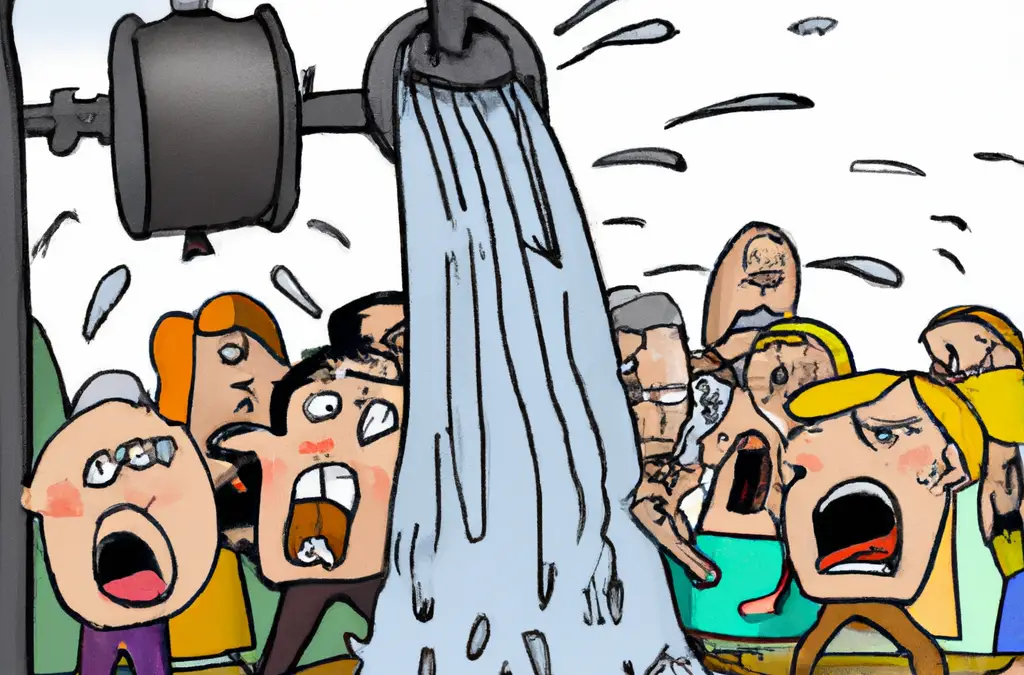
What is a water surge or water hammer?
At Whywait Plumbing, we understand that a water surge or water hammer can be frustrating and potentially damaging for homeowners. That’s why we’re here to explain the problem in simple terms and offer solutions for preventing and resolving it.
Water hammer or water surge is a common issue in any system that utilises pipework, valves, pumps, and other equipment to control water flow or other liquids throughout a building.
One of the most common causes of a water surge or water hammer is the rapid closing of a valve. When a valve is closed quickly, water hits a dead end, sharp bend, or any other situation that creates a high-pressure shockwave to travel through the pipework, causing a loud banging noise and increased pressure. This can damage pipes, fittings, and appliances and cause leaks.
Another common cause of water surge is a problem with your pressure pump system. If your pump is malfunctioning, it can create a surge of pressure that can cause the same issues as a rapidly closed valve.
The effects of water hammer can range from a loud knocking or banging noise in the pipes to more severe issues such as broken pipework. However, the risks posed by water surge are particularly significant in high-rise buildings.
High-rise buildings are susceptible to water surge
Most high-rise buildings have at least one riser that runs from the basement to the top floor and connects to smaller distribution pipework on each floor. Suppose a pump stops operating, for example, due to a power cut or a fault in the system. In that case, the water pressure in the building gradually declines as outlets are opened, and the remaining water in the system is drained under gravity.
This can create a vacuum in the pipework, depending on whether there are non-return valves or pressure-reducing valves installed in other parts of the water pipe reticulation system. When the power is restored, and the pump begins to operate again, it restores system pressure to pre-set levels. However, if the unit is not designed, installed and maintained correctly and does not have a comprehensive “soft fill mode”, the water hammer or water surge will be almost unavoidable.
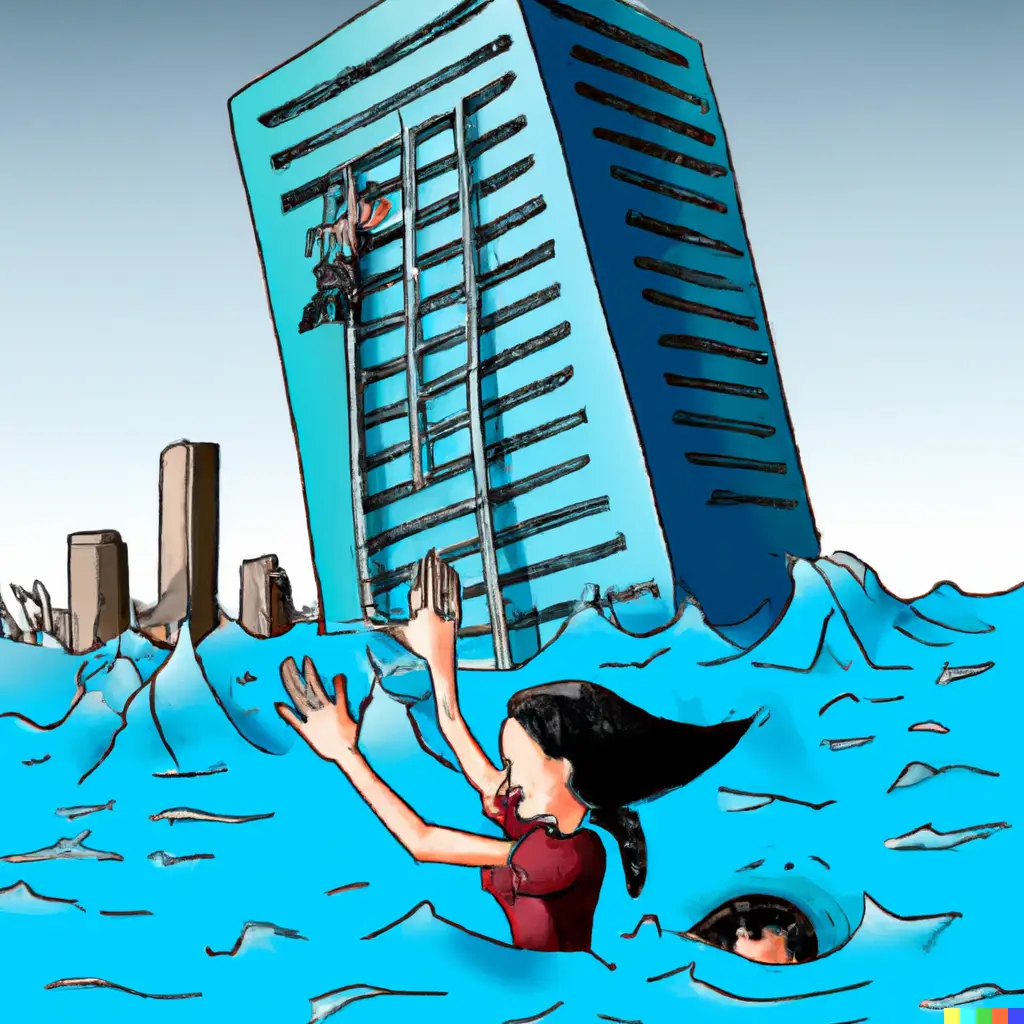
In the worst-case scenario, pressurised water is pushed into a vacuum, causing the water to accelerate beyond expected design velocities. This can be due to multiple pumps running or pumps that are designed as “standby”. This results in a hydraulic shock to the pipework that can be beyond the operating pressure of the system, potentially causing weak pipework or connections to burst, resulting in flooding and expensive water damage within the building.
Not only is this expensive to repair, it means downtime to the building’s water supply. It is also a severe health and safety risk to those occupying the building during the burst.
To avoid these issues, it’s essential to take the necessary precautions. One solution is to ensure that you have a booster set with a surge protection feature, so when the pumps are powered back up, they are limited to one pump and gradually increase their pressure to avoid ramping up too quickly. In addition, an AWSPV valve or an Air and Water Protection Valve can be installed at the top of each riser. This device not only avoids vacuum being created, but it also forces air through the “anti-surge” orifice when the system is filling, allowing for the deceleration of the incoming water supply, thanks to the resistance created by rising air pressure in the AWSPV valve.
This softens the potential pressure spike when the AWSPV valve finally closes. The AWSPV valve design ensures effective de-aeration under all pipeline flow and operating conditions via one of three discharge orifices. Once the system is full and free of air, the valve seals and must be piped to a drain or safe area to ensure any leaks are discharged to a visible position. This ensures that everything is visible without causing further water damage.
In conclusion, a water hammer or water surge is a common issue in any system that utilises pipework, valves, pumps, and other equipment to control water flow throughout a building. High-rise buildings are particularly at risk due to the potential for a vacuum to be created when the water pressure is restored, which can cause a surge in water pressure and potentially cause damage to the pipework or connections. By taking the necessary precautions, such as ensuring a booster set with a surge protection feature and installing an Air and Water Protection Valve, you can avoid these issues and ensure the safety and reliability of your building’s water supply.
Proactive prevention you should implement
To prevent water surge, it is crucial to have your plumbing system regularly inspected and maintained by a professional plumber. This can help identify any potential issues before they become a problem.
Even in your traditional home, installing a water hammer arrestor, a device that absorbs the shock wave created by a rapidly closed valve, can help prevent water surge or water hammer from occurring.
If you have doubts about whether you are experiencing a water hammer or a water surge in your home or your high-rise building, don’t hesitate to contact the experts at Whywait Plumbing. Our team of experienced plumbers can diagnose the problem, offer solutions, and get your plumbing system back to working correctly. Whether a simple adjustment or a complex repair, we have the skills and expertise to get the job done right.
At Whywait Plumbing, we are experts in protecting you from water surge or water hammer. We can help you understand the causes of your problems and recommend the best solutions for your home or high-rise building. Contact us today to schedule an appointment.

by Gary Mays | Oct 11, 2021 | Blocked drain, blocked toilet, City of Gold Coast, Consumer Issues, Emergency Plumber, Gold Coast plumbers, Plumbing Emergencies, Plumbing Maintenance, water damage insurance claims, Water Leaks
Water damage insurance claims are an issue we deal with every week. We are continually called upon to deal with insurance companies or assessors on behalf of clients when they have sustained water damage to their homes.
With COVID-19 lockdowns keeping a large proportion of Australians at home, research from QBE Insurance indicates water damage insurance claims remain at high levels.
New research from QBE Insurance revealed that 77% of people who experienced water damage were home at the time of the incident, unravelling misconceptions that flooding mainly occurs when the house is unoccupied.
The QBE Insurance research statistics reveal that:
- 77% of claimants impacted by water damage were at home for the water damage incident.
- Burst pipes, blocked pipes, damaged roofs and old plumbing are the main water damage culprits.
According to the research, internal water damage is typical, with 58% of survey respondents having experienced internal water damage themselves or know someone who has, or both.
This coincides with QBE claims data, which found water damage incidents account for almost a quarter (24%) of all home insurance claims. Water damage insurance claims are one of QBE’s most regular home insurance claims. An average claim is $5,000, and more severe water damage claims commonly reaching over half a million dollars.
“Preparedness and prevention are key to limiting the potential damage caused by internal water damage,” says Arron Mann, General Manager, Short Tail Claims at QBE.
“Water damage can happen whether a household member is at home or not being home more often, as many of us are right now, can increase the pressure on our plumbing and risk to our homes. However, this kind of damage can also be sudden and severe regardless of whether you’re home or not, which is why prevention and knowing what to do when something goes awry are so valuable.”
Despite 53% of research respondents saying their first response to water damage would be turning off the water main, 1 in 5 Australians (21%) don’t know where their water main is, and worryingly, 1 in 5 (18%) also don’t know how to turn it off.
The QBE research also revealed that almost 30% of Australians don’t know what home maintenance tasks can prevent water damage in their homes, with 16% not knowing that home maintenance can prevent it in the first place. Cost is also a factor, with 21% not undertaking any home maintenance because it’s too expensive, while 8% say they don’t have the time.
“Sometimes, the difference between no damage and severe damage can be in how quickly a householder responds. Yet concerningly, many people are unaware that much of this damage – and the stress and cost that comes with it – is often preventable,” says Arron Mann.
The best way to avoid water damage insurance claims is by regular maintenance from Whywait Plumbing. Now this will not prevent every possible water leak scenario from happening, but it will demonstrate to the insurance company that you have been undertaking regular maintenance if claim difficulties occur.
At Whywait Plumbing, we see instances every day of water damage that has occurred through the failure to maintain your home regularly. That is why we recommend all our clients to become a Service Partner and enjoy the VIP benefits of having a Service Partner Plan to maintain your most valuable asset, your home, proactively.
by Gary Mays | Oct 4, 2021 | City of Gold Coast, Cold Water, Consumer Issues, Emergency Plumber, Gold Coast Plumbing, Gold Coast Water, Insurance, Leaking Pipes, Plumbers Gold Coast, Plumbing Emergencies, Plumbing Legislation, Plumbing Maintenance, Water, Water Leaks, Water Meters
Your Gold Coast water bill issued by the City of Gold Coast as a Water and Sewerage Rate Notice arrives every three months. Currently, every water meter is manually read every three months, with your Gold Coast water bill coming soon after. The cost of Gold Coast water is set every year as part of the budget process with the detailed current water pricing for 2021-22 available from Gold Coast Water.
What are the costs of your Gold Coast water bill?
For most homeowners who use around the average daily water usage of 451 litres, the highest costs in the quarterly Gold Coast water bill are their sewerage and water access service charges. If you look closely at your water bill, you can see that you have the following access charges:
| Residential Charges |
Cost |
| Sewerage access charge per quarter |
$181.03
|
| Water access charge per quarter |
$53.02
|
| Total Access Charges per Quarter |
$234.05
|
The usage charges per kilolitre as measured by your water meter are made up of council charges and Queensland Government charges as below:
| Residential Charges |
Cost |
|
City of Gold Coast water per kilolitre
|
$1.117
|
| Queensland Government water per kilolitre |
$3.231
|
| Total Cost of Water per Kilolitre |
$4.348
|
In reality, even if you did not use one drop of water, you would still pay for water and sewerage access service charges of $234.05 every quarter or $936.20 every year.
Our experience is that the average water use of 451 litres or 0.451kL per property shown on Gold Coast water bills is not an accurate guide to your water use.
Most homes with more than one occupant will use 1-2 kL every day. However, remember your water usage will vary every day based on the number of occupants at home each day and their water use behaviours. That is why we recommend you read your water meter weekly, as that will give you a better guide about your average consumption and alert you to a potential water leak.
The actual cost of water dripping from a tap
What will cause your water usage charges to blow out is having leaking water that you are unaware of. Leaking taps and toilets are frequently overlooked and put off to another day. A dripping tap that drips one drop every second will use 40 litres of water a day. The reality is that it becomes 280 litres a week and then 1214 litres a month, and then 14560 litres a year. This is all water charged for on your Gold Coast water bill that you never utilised for any practical purpose.
If we translate the litres wasted to the cost of water, then the numbers become real very quickly.
| Cost of a Dripping Tap at 1 drip per second |
Residential Cost at $4.348 per kL or 1000 litres |
Business Cost at $8.909 per kL or 1000 litres |
|
1.66 litres per hour
|
$0.007 |
$0.015
|
| 40 litres per day |
$0.174
|
$0.356
|
| 280 litres per week |
$1.217
|
$2.495
|
| 1214 litres per month |
$5.278
|
$10.816
|
| 14560 litres per year |
$63.307
|
$129.715
|
The actual cost of a leaking underground water main
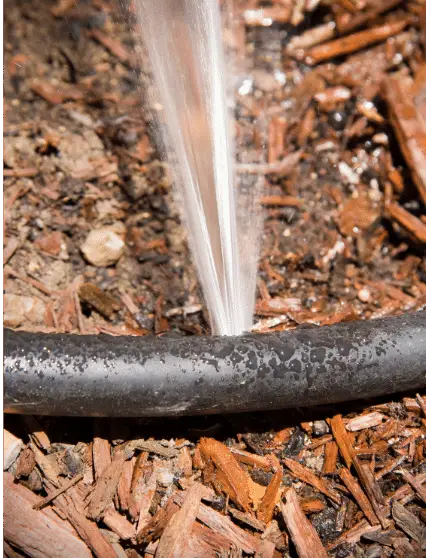
You can visually see a dripping tap or running toilet, but the real killer to your Gold Coast water bill is your underground water main pipe leaking. For residential users, these are usually leaking polypipe water mains that were never installed correctly when the house was built. Only occasionally is a water leak apparent and bubbling to the ground. Most of the time, they are a silent Gold Coast water bill killer leaking 24/7 undetected.
There is no accurate average for any leaking water main supply pipe because it depends on the type of break in the pipe, what the pipe size is and what the incoming water pressure is.
Recently we had a client with a small leak where we have 24/7 electronic water monitoring installed that is leaking on average of 45 litres per hour, so we use that as a basis for what leaking water main will cost on a Gold Coast water bill.
| Cost of a leaking underground water main at 45 litres per hour |
Residential Cost at $4.348 per kL or 1000 litres |
Business Cost at $8.909 per kL or 1000 litres |
| 45 litres per hour |
$0.196
|
$0.401
|
| 1080 litres per day |
$4.696
|
$9.622
|
| 7560 litres per week |
$32.87
|
$67.352
|
| 33480 litres per month |
$145.57
|
$298.731
|
| 401760 litres per year |
$1746.85
|
$3579.280
|
A water leak at 45 litres per minute is only a relatively small leak in larger pipes. It is unlikely to show up as bubbling at the ground unless it is directly under the grass in a shallow trench. Even looking at your water meter, it will not be evident unless you are testing your water use at the meter by checking for a water leak.
How much does a leak cost per litre?
We have always recommended that you test your water usage through your water meter every month. By having comparable figures, you will soon ascertain whether you have a leaking pipe.
We have always recommended that you install an AquaTrip water leak detection system after your water meter. An AquaTrip Water Leak detection system with an integrated automatic shutoff valve supplied and installed by Whywait Plumbing is a permanently installed leak detection protection system that quietly protects against leaks 24/7. It is a one time only insurance payment.
With our modern leak detection methods, it’s an easier task to locate a leak. However, unless you have an AquaTrip installed or use our 24/7 water monitoring service, you will still pay for a large amount of lost water before you become aware of the water leak.
If you think you have a water leak contact us because every litre that you lose is costing you $0.004348 for residential properties or $0.008909 for businesses on your Gold Coast water bill. If you naively feel that is inconsequential, we have just rectified a leak for a commercial business client in a 50mm underground polypipe water main that was leaking 106 kL every day, which is 106000 litres every 24 hours. This leak cost $944.354 every day.

by Gary Mays | May 26, 2020 | City of Gold Coast, Cold Water, Consumer Issues, Emergency Plumber, Gold Coast Plumbing, Gold Coast Water, Insurance, Leaking Pipes, Plumbers Gold Coast, Plumbing Emergencies, Plumbing Legislation, Plumbing Maintenance, Water, Water Leaks, Water Meters
 Your Gold Coast water bill issued by the City of Gold Coast as a Water and Sewerage Rate Notice arrives every three months. Currently, every water meter is manually read every three months with your Gold Coast water bill coming soon after. The cost of water is set every year as part of the budget process with the detailed current water pricing for 2020-21 available from Gold Coast Water.
What are the costs on your Gold Coast water bill?
For most homeowners who use around the average daily water usage of 451 litres, the highest costs in the quarterly Gold Coast water bill are their sewerage and water access service charges. If you look closely at your water bill you can see that you have the following access charges:
| Residential Charges |
Cost |
| Sewerage access charge per quarter |
$181.03
|
| Water access charge per quarter |
$53.02
|
| Total Access Charges per Quarter |
$234.05
|
The usage charges per kilolitre as measured by your water meter are made up of council charges and Queensland Government charges as below:
| Residential Charges |
Cost |
|
City of Gold Coast water per kilolitre
|
$1.090
|
| Queensland Government water per kilolitre |
$3.122
|
| Total Cost of Water per Kilolitre |
$4.212
|
In reality, even if you did not use one drop of water, you would still pay for water and sewerage access service charges of $234.05 every quarter or $936.20 every year.
In our experience, the average water use of 451 litres or 0.451kL per property is not an accurate guide to your water use. Most homes with more than one occupant will use 1-2 kL every day. Remember your water usage will vary every day based on the number of occupants at home each day, and their water use behaviours. That is why we recommend you read your water meter weekly as that will give you a better guide about your average consumption but will also alert you to a potential water leak.
The real cost of water dripping from a tap
What will cause your usage charges to blow out is having leaking water. Leaking taps and toilets are frequently overlooked and put off to another day. A dripping tap that drips one drop every second will use 40 litres of water a day. The reality is that it becomes 280 litres a week and then 1214 litres a month and then 14560 litres a year. This is all water charged for on your Gold Coast water bill that you never utilised for any useful purpose.
If we translate the litres wasted to the cost of water, then the numbers become real.
| Cost of a Dripping Tap at 1 drip per second |
Residential Cost at $4.212 per kL or 1000 litres |
Business Cost at $8.662 per kL or 1000 litres |
|
1.66 litres per hour
|
$0.007 |
$0.014
|
| 40 litres per day |
$0.169
|
$0.347
|
| 280 litres per week |
$1.180
|
$2.425
|
| 1214 litres per month |
$5.114
|
$10.516
|
| 14560 litres per year |
$61.327
|
$126.119
|
The real cost of a leaking underground water main
A dripping tap or running toilet you can visually sight but the real killer to your Gold Coast water bill is your underground water main pipe leaking. For residential users, these are usually leaking polypipe water mains that were never installed correctly when the house was built. Only occasionally is a water leak apparent and bubbling to the ground. Most of the time they are a silent Gold Coast water bill killer leaking 24/7 undetected.
There is no real average for any leaking water main because it depends on the type of break in the pipe and what the incoming water pressure is. Currently, we have a small leak where we have water monitoring installed that is leaking on average of 44 litres per hour, so we use that as a basis for what a leaking water main will cost on a Gold Coast water bill.
| Cost of a leaking underground water main at 44 litres per hour |
Residential Cost at $4.212 per kL or 1000 litres |
Business Cost at $8.662 per kL or 1000 litres |
| 44 litres per hour |
$0.185
|
$0.381
|
| 528 litres per day |
$2.223
|
$4.574
|
| 3696 litres per week |
$15.568
|
$32.015
|
| 16016 litres per month |
$67.459
|
$138.731
|
| 192192 litres per year |
$809.513
|
$1664.767
|
A leak at 44 litres per minute is only a small leak. It is highly unlikely to show up bubbling to the ground unless it is directly under the grass in a shallow trench. Even looking at your water meter, it will not be evident unless you are testing your water use at the meter by checking for a water leak.
How much does a leak cost per litre
We have always recommended that you test your water usage through your water meter every month. By having comparable figures, you will soon ascertain whether you have a leaking pipe.
We have always recommended that you install an AquaTrip water leak detection system after your water meter. An AquaTrip Water Leak detection system with an integrated automatic shutoff valve supplied and installed by Whywait Plumbing is a permanently installed leak detection protection system that quietly protects against leaks 24/7. It is a one time only insurance payment.
With our modern leak detection methods, it’s a much easier job to find a leak but unless you have an AquaTrip installed or use our water monitoring service you will still pay for a lot of lost water before you become aware of the leak.
If you think you have a leak contact us because every litre that you lose is costing you $0.004212 for residential properties or $0.008662 for businesses on your Gold Coast water bill. If you believe that is inconsequential, we have just rectified a leak for a business client that was in a 40mm underground pipe that was leaking 96 kL every day, which is 96000 litres every 24 hours. This leak was costing $831.55 every day.

by Gary Mays | Mar 26, 2020 | Aquatemp hand sanitiser & disinfectant, Blocked drain, blocked toilet, City of Gold Coast, Consumer Issues, COVID-19, Gold Coast Plumbing, Gold Coast Water, Health Issues, Plumbers, Plumbers Gold Coast, Plumbing Emergencies, Plumbing Maintenance, Water Leaks, Whywait Plumbing
Despite everything that is happening with the Coronavirus / COVID-19 pandemic emergency as your local Gold Coast Plumber Whywait Plumbing will continue to be available 24/7 to service your plumbing, drainage and gas needs. The current Queensland Government health directives advise that the plumbing industry is an essential service. This means our plumbers are exempt from the two-person rule when entering homes or private premises provided the appropriate social distancing and hygiene requirements are adhered to.
To ensure the safety of our clients, staff and the general public we are making changes to the way we serve our clients. This ensures we can still attend to your problems while focusing on making the correct choices to keep everyone safe.
Read the information below which details out everything you need to know how Whywait Plumbing will ensure your critical plumbing infrastructure remains fully functioning.
Whywait is still here for you 24/7
Whywait Plumbing Services has been trusted by thousands of Gold Coast homeowners, landlords and business owners since 1976 to maintain their plumbing, drainage and gas infrastructure. We believe that now more than ever we need to be there for you 24/7.
As your trusted Gold Coast Plumber we guarantee to continue to be available to keep you safe and ensure your plumbing is functioning to the highest standards.
We assure you we have increased our precautionary measures to protect you and minimise any risk of spreading COVID-19. We continue to adhere to all advice from the official Australian Government health website and are monitoring the situation to ensure we take all practical steps to protect our clients and staff.
Working with Whywait Plumbing during COVID-19
Increased hygiene practice
 In accordance with the advice provided by the Australian Government and the Master Plumbers & Mechanical Services Association of Australia (MPMSAA), we have implemented additional policies and hygiene practices to protect you and our plumbers.
- we are continually ensuring our plumbers are fit and healthy and we are taking all precautions to ensure their health and safety
- we are following the latest advisories from the Australian Government and MPMSAA
- we are following social distancing requirements
- we are not shaking hands
- our plumbers are wearing disposable gloves and are disposing of them when they have completed their work for you
- our plumbers are equipped with Enzyme Wizard cleaning products to wipe down tool, equipment and work areas while undertaking your work
- our cleaners are equipped with Aquatemp Hand Sanitiser & Disinfectant to keep their hands clean at all times
- our company vehicles are kept clean at all times with Aquatemp Surface Sanitiser & Disinfectant cleaning product
What to expect when you call us to book a job
It is now our policy when booking all jobs that you provide us credit card details to secure the booking because as recommended by the Government, we ask that you make a pre-payment over the phone so that no physical exchange of money has to occur. If you can only pay with cash we will be handling all transactions using gloves and practising social distancing.
We will now ask you a number of health-related questions when you call us to keep everyone safe which may include:
- Have you, or anyone in your household tested positive for COVID-19, or are awaiting test results?
- Do you fall into a category where you are self-isolating for COVID-19?
- Do you, or anyone living in your household have any flu-like symptoms, a fever, cough, or shortness of breath?
Depending on the answers you provided, we will discuss with you on the best way forward to support solving your plumbing problems.
After we have booked your job if you start to develop flu-like symptoms such as coughing, sneezing, fever or shortness of breath, please call us immediately on (07) 5580 4311 so we can help to manage your appointment.
What to expect when a Whywait employee is at your home or business
Upon arrival, our plumbers may be asking the same health questions asked at the time of your booking. This is to ensure your circumstances have not changed. Plus we guarantee they will be following our increased hygiene practices.
While undertaking any work, they will inform you exactly what they will do before they start and will clean all surfaces they touch with Enzyme Wizard cleaning products.
Thank you for your ongoing support and your understanding
You can be certain that we have your best interest in mind during these uncertain times and we are endeavouring to continue to provide the great service that Whywait Plumbing is renowned for as your Gold Coast Plumber.


