
Whywait Plumbing Services Logo

OFFICE HOURS

Mon to Fri 7.30am – 4pm
24-Hour EMERGENCY SERVICE

CALL 7 DAYS FOR SERVICE!

YOUR TRUSTED GOLD COAST PLUMBERS & GAS FITTERS

OFFICE HOURS
Mon – Sun 7.30am – 4pm
24 Hr Emergency Service

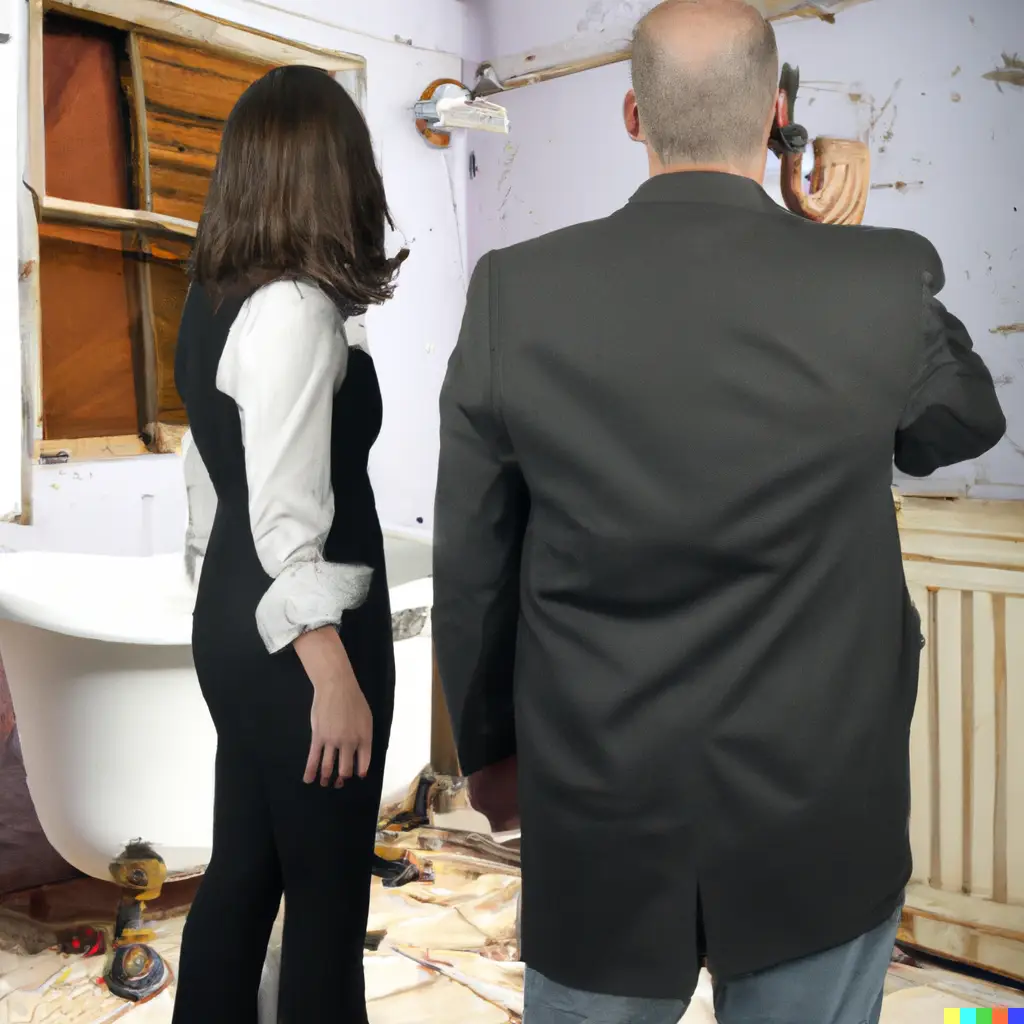
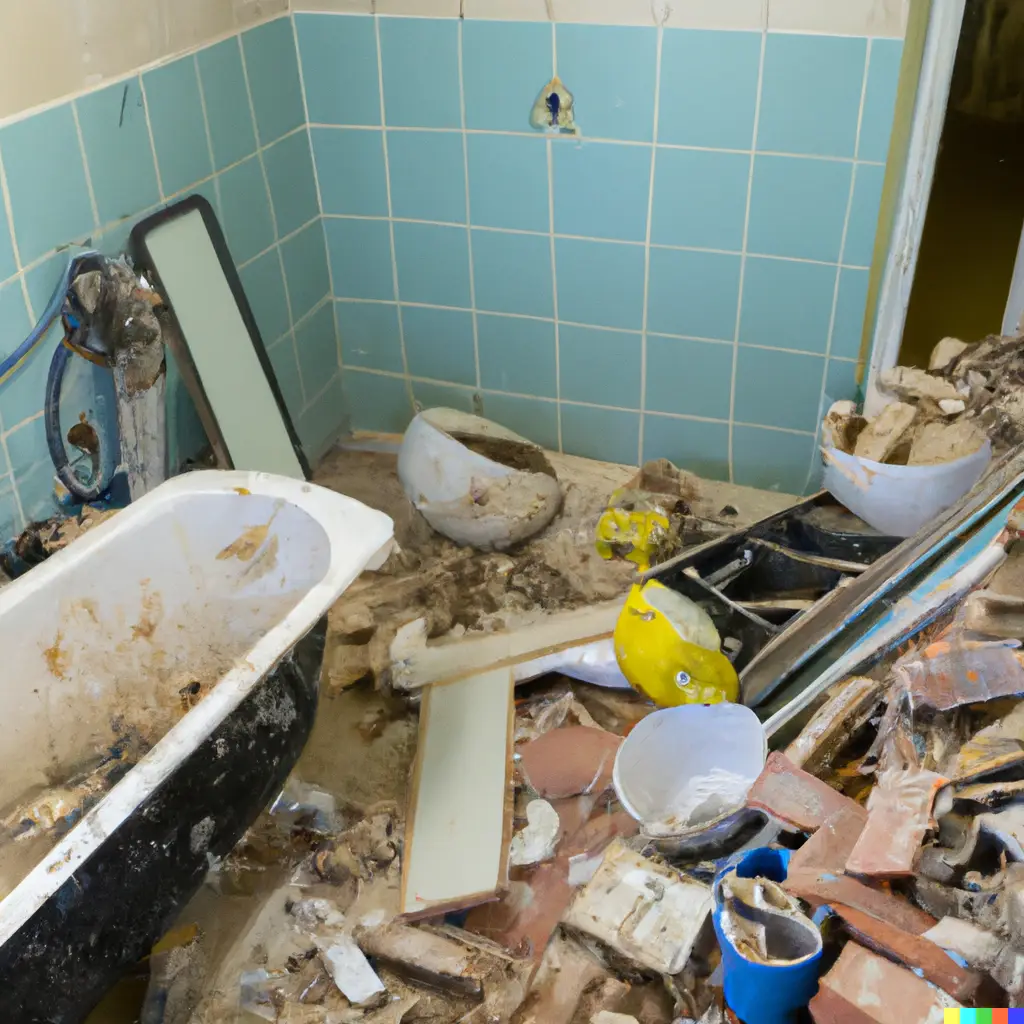
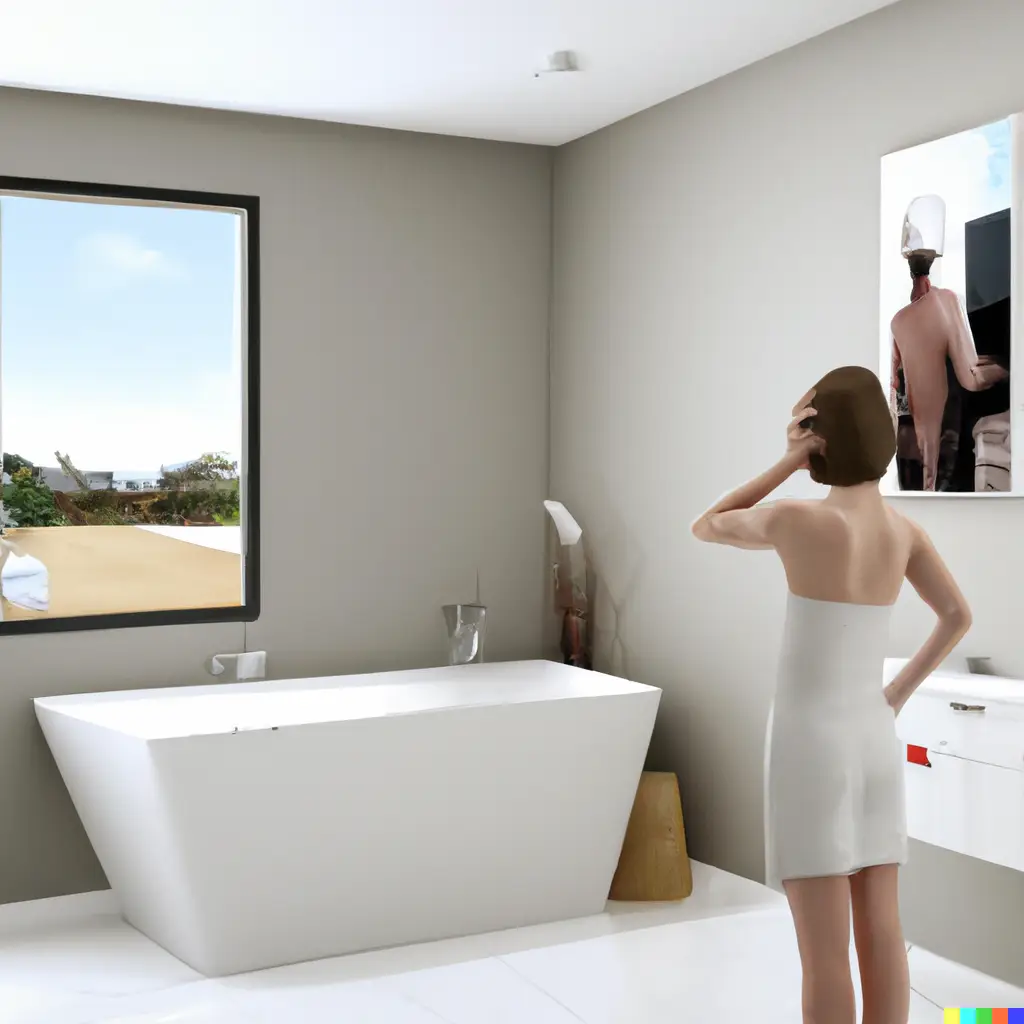
Bathroom Renovation Costs Don’t Need to Blow Out

Bathroom Renovation Costs Don’t Need to Blow Out

Planning now ensures you don’t blow your budget

When it comes to bathroom renovations, one of the biggest concerns for homeowners is cost. It’s no secret that these projects can quickly add up, leaving you with a hefty bill and a less-than-ideal outcome. But at Whywait Plumbing, we’re here to tell you that bathroom renovation costs don’t need to blow out of proportion.

First and foremost, you must clearly know what you want before you begin the renovation process. This means deciding on a specific design, layout, and materials. A clear plan will help you stay within budget and avoid costly changes or additions.

Another tip for keeping costs down is to focus on the essentials. While you may be tempted to splurge on fancy features, the basics often make the most significant impact. For example, you can create a beautiful, functional bathroom without breaking the bank by prioritising functional elements such as a new toilet, sink, and shower.

There is no disguising a bathroom in need of renovation

We have prepared a few tips and advice to help you keep costs down and maximise your budget when renovating your bathroom. Increasingly we are observing the simple fact that there is no disguising a bathroom needing renovation. These bathrooms have some or many of the following abominably dated features:

  • peach or pea green tiles,
  • failing grouting in floors and walls,
  • mould damage to the ceiling,
  • bathroom carpet,
  • gold plated taps with fake glass handles,
  • poor use of space,
  • wallpaper that looks like a ’70s disco freak chose it.

All of the above were standard design traits in bathrooms dating back over 10 years and often 25 years.

 For better or worse, bathrooms are a place for people to stamp their creative mark on a home.

 Often it was inexplicable to what they were trying to create with bizarre combinations such as black tiled walls and red-painted ceilings.

Bathrooms by their design and use factors are prone to failure over time

Generally, a bathroom needs some form of renovation after around five years, depending on how frequently it is used.

 But bathroom renovations do not have to be designer-level expensive affairs.

If you plan and know what you are doing, keeping a lid on bathroom renovation costs is not hard.

 Below are listed seven issues to be seriously considered so your bathroom renovation costs do not blow out:

1: Assess how much you need to change

The more you want to change, the more expensive the project will be. That is a guarantee.

If you are on a tight budget, you can still make a surprising difference to the look of a bathroom by just replacing tap handles, painting the walls and ceiling, plus sticking up shampoo shelves, towel rails or a lovely new mirror. All of which you could probably manage, provided you know what you are doing.

Re-tiling of floors and walls will cost a fair bit more. Still, surprisingly economical coating options are applied directly over existing tiles, reducing costs by reducing the amount of demolition work required.

Always be aware that anything involving electrical or plumbing fixtures, relocating fixtures, or adding new ones will cost considerably more.

Bathroom Renovation Costs Don’t Need to Blow Out

2: Reuse or recycle fittings and fixtures

If it isn’t broken, don’t fix it rule applies. If there is nothing wrong with the existing fittings or fixtures, you can save a lot of money and unnecessary waste by resisting the overwhelming temptation to replace them.

 If you think about ways you can style and theme the bathroom to utilise what you already have installed and focus on the worst aspects of your bathroom.

 Old-style taps can be replaced relatively economically and efficiently.

 If your bath and vanity basin have been seriously abused over the years, it is possible to have them re-coated and to look like new for less than outright replacement.

 Vanity unit cupboard doors and draws can be replaced for much less than the outright replacement of the entire vanity.

3: Do not move plumbing fixtures

Relocating or adding new plumbing fixtures can be expensive.

Most homes are built on a concrete slab which makes relocating or adding extra plumbing fixtures much more expensive.

As much as possible, focus on reusing the existing water supply and drainage connection for your toilet, shower, bath, vanity basin and floor waste, as this will keep plumbing costs under control.

Bathroom Renovation Costs Don’t Need to Blow Out call Whywait Plumbing

4: Shop around for materials

This may sound obvious, but it requires discipline.

If you have the time and inclination, you will save a small fortune by shopping around and buying the necessary materials, fittings and fixtures.

If you are shopping, make sure you have done your homework and know exactly what you are looking for. For example, there is a considerable difference between wall and floor tiles.

Buying a bath with a centre waste to replace one with a waste at one end will cost you more to install.

Replacing a toilet requires that you know whether it uses an S or P trap outlet or whether the water connection is concealed or bottom linked.

Any paint for bathroom walls needs to be suitable for use in bathrooms so that your walls are resistant to moisture.

If you are supplying the fixtures and fittings, ensure everything is ready and available when renovation starts to prevent delays. Delays in fixtures being available will translate into increased costs.

Bathroom Renovation Costs Don’t Need to Blow Out get advice from Whywait Plumbing

5: Get your hands dirty

If you are willing and able, you can save a lot on labour costs by doing some of the work yourself and project managing the renovation.

Likely, you will still need to hire licensed contractors such as plumbers, electricians, waterproofers, and tilers for the renovation project. Still, volunteering to do manual work, such as demolition, will translate into lower labour costs.

Without exception, any discussion about what you can do yourself has to include a big, flashing neon warning. You cannot cut corners on some things and do it yourself. Licensed professional contractors MUST do waterproofing, plumbing and electrical work.

Doing it any other way is guaranteed to be illegal, substandard, dangerous, non-insurable and without the protections of a warranty.

Never believe handymen who tell you they can do everything.

It is also essential that you are confident before you start working that there is not any asbestos in your bathroom. Asbestos sheeting was very commonly used in bathrooms up until the late 1970s, and exposure to it can lead to cancer, so you will need to have asbestos removed by a specialist contractor using the correct safety gear who will dispose of it legally.

6: Plan very carefully and avoid variations

Careful planning and having an exact idea of what you want to achieve, what you are getting and how everything will be done before you sign any contract with a contractor will ensure you’re not stung with hefty fees for necessary changes.

Suppose you use a builder to manage your bathroom renovation. In that case, it is guaranteed he will charge over the odds for variations to a contract if you have made a selection mistake or want to change your layout or add additional fixtures.

Many builders will come in with a low quote to prey on clients who are not clear on their plans and have not prepared properly.

Regardless of how well you perceive you get along with the builder or other contractors, ensure that the fittings and fixtures are precisely what you are after and will fit exactly where they are supposed to go. The colours and tiles are strictly correct, the costs are itemised on the contract, and you are confident that all labour, material and administrative expenses are included.

Please ensure any variations are fully costed, and you approve in writing before they commence.


7: Things to be careful of

Make sure you have more than enough tiles because if they break in future or if they break some during your renovations, you want to have some spares on hand that are from the same batch so that they are a perfect match.

Beware of non-certified plumbing fittings and fixtures which are non-insurable and can make any future insurance claim null and void. Ensure all plumbing products have the WaterMark certification and comply with Australian Standards.

Avoid ordering plumbing or electrical fixtures online or overseas, as they will almost always be shoddy or inferior fittings and fixtures and will come back to haunt you.

Ordering online plumbing or electrical fixtures online invariably is not worth the savings they appear to offer.

Consider where you’re going to shower as your bathroom’s going to be out of action for a week or two at least, and always double any timeframe you have given by any contractor.

It is widespread to discover rotten timber under baths or behind shower walls which will require extra work, with any other savings you make being eaten up quickly if you are unprepared for that.


Plan a bathroom renovation from beginning to end

Ultimately your bathroom renovation is all about careful planning and managing expectations.

 Careful planning will assist you in ensuring your bathroom renovation costs don’t blow up in your face.

Finally, don’t be afraid to shop around for the best deals. Compare prices and materials from different suppliers, and consider hiring a trusted, experienced contractor who can help you get the most bang for your buck.

At Whywait Plumbing, we understand that budget is a significant concern regarding bathroom renovations. But by following these tips, you can create a beautiful, functional bathroom without blowing your budget. Contact us today to learn more about how we can help you create the bathroom of your dreams without breaking the bank.

Bathroom Renovation Costs Don’t Need to Blow Out

Bathroom Renovation Costs Don’t Need to Blow Out

Bathroom Renovation Costs Don’t Need to Blow Out

Bathroom Renovation Costs Don’t Need to Blow Out

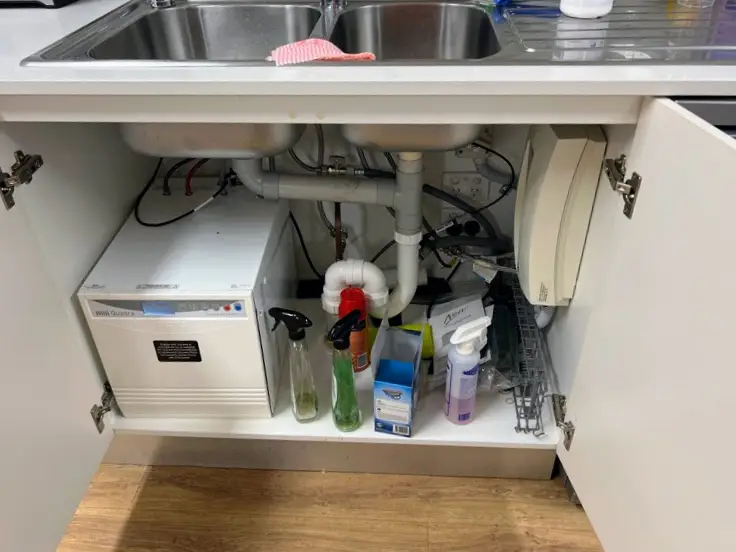
All tap braided flexible hose water damage is eliminated with auto flood stop isolation valves

All tap braided flexible hose water damage is eliminated with auto flood stop isolation valves

Protect your home from burst flexible hoses with auto flood stop isolation valves

One of the most common causes of home water damage is burst flexible hoses. These hoses are often used for taps, toilets, washing machines, dishwashers, and fridges.

While they are convenient, they can also be a source of severe problems if they burst. That’s why it’s essential to have an auto flood stop isolation valve installed on any flexible hose in your home. These valves will automatically shut off the water flow if a hose bursts, helping to prevent extensive damage.

What are auto flood stop isolation valves, and how do they work

Auto flood stop isolation valves are specifically designed to prevent flooding in homes. These isolation valves can detect and arrest water flow when flexible hoses burst, thus preventing water spillage into the adjacent rooms and flooding houses.

The valve works by acting as a check for water should the flexible hose start leaking and detects excessive water usage, triggering an automatic shut-off of the isolation valve so that the house remains safe from water damage. With these auto flood stop isolation valves, homeowners can rest easy knowing their home is protected even when flexible hoses burst.

Burst flexible hoses are a prime reason for installing auto flood stop isolation valves in your home

Installing water auto shut-off valves in your home can be a great way to protect your property from water damage caused by burst flexible hoses. Not only does water damage from these sources cause immediate destruction in the area it leaks, but it can also cause long-term issues as water works its way into walls, floors, and other unseen areas.

Installing water auto shut-off valves helps you avoid expensive repairs that can come with water damage and give you peace of mind knowing that the auto shut-off valve will turn off the water before a disaster quickly. Preventative measures such as installing water auto shut-off valves should be essential to caring for your property and should not be ignored.

How to install them in your home’s plumbing system

Installing auto flood stop isolation valves in your home plumbing system can seem intimidating, but it can be straightforward with the right expertise and assistance. At Whywait Plumbing, we are experienced in installing auto flood stop isolation valves to ensure a secure and proper installation. In addition, we will be able to run through the whole process with you and answer any questions.

Overall, auto flood stop isolation valves provide significant protection for your home plumbing system, making installation worth it in the long run.

The benefits of having auto flood stop isolation valves in your home

Having auto flood-stop isolation valves in your home is a great way to lower your insurance premiums and provide protection from water damage caused by burst flexible hoses. This type of valve automatically shuts off the water supply when it detects excessive water usage, reducing the risk of severe water damage to your home.

This extra layer of defence can give you peace of mind that you are doing all you can to protect your home and lower the chance of incurring expensive rectification costs associated with water damage. Additionally, installing them could mean lower insurance premiums since using such a device shows that you have put measures in place to protect your home from potential disaster.

Why you need auto flood stop isolation valves installed now

Auto flood stop isolation valves are a reliable and effective means of avoiding burst flexible hoses and stopping potentially disastrous leaking in your home. Such valves will detect any burst flexible hoses or fittings immediately. The containment of hot and cold water up to the isolation valve can be stopped within seconds.

This is possible with the help of a built-in detector in the valve that constantly monitors water pressure and flow rate while also ensuring that taps and appliances have the correct amount of pressure running through them. Thus, auto flood stop isolation valves provide homeowners with peace of mind and utmost safety in dealing with burst flexible hoses without incurring too much cost or worries about burst flexible hoses flooding the house.

Although auto flood stop isolation valves are not required to be installed, they offer increased protection for your family and valuables. Imagine the damage that could occur with a bathroom vanity mixer tap hot water flexible hose bursting while you are on holiday. In that case, the valve will automatically shut off the hot water flow into the mixer, limiting the amount of damage that can occur. Installation is relatively simple and can be done by licensed plumbing professionals at Whywait Plumbing.

Have you considered adding auto flood stop isolation valves to your home?

Yes it’s a fact that electrolysis can cause your copper pipes to leak

Yes it’s a fact that electrolysis can cause your copper pipes to leak

What causes Copper Pipes to get Electrolysis?

Copper pipes are a popular choice for plumbing because they are durable and resistant to corrosion. However, over time, copper pipes can develop a problem called electrolysis. This occurs when electrical currents pass through the pipes, causing them to corrode and weaken. If left unchecked, electrolysis can lead to leaks and even pipe failures. In this blog post, we will explain what electrolysis is and how to prevent it from causing copper pipe leaks.

Electrolysis is a chemical reaction that occurs when electricity is passed through a liquid or metal. In the case of copper pipes, the electrical current can come from a variety of sources, such as nearby electricity wires or stray currents from appliances and lights in ceilings. When the current passes through the copper pipes, it causes a reaction between the copper and the water in the pipes, which can weaken and corrode the pipes over time, causing copper pipe leaks.

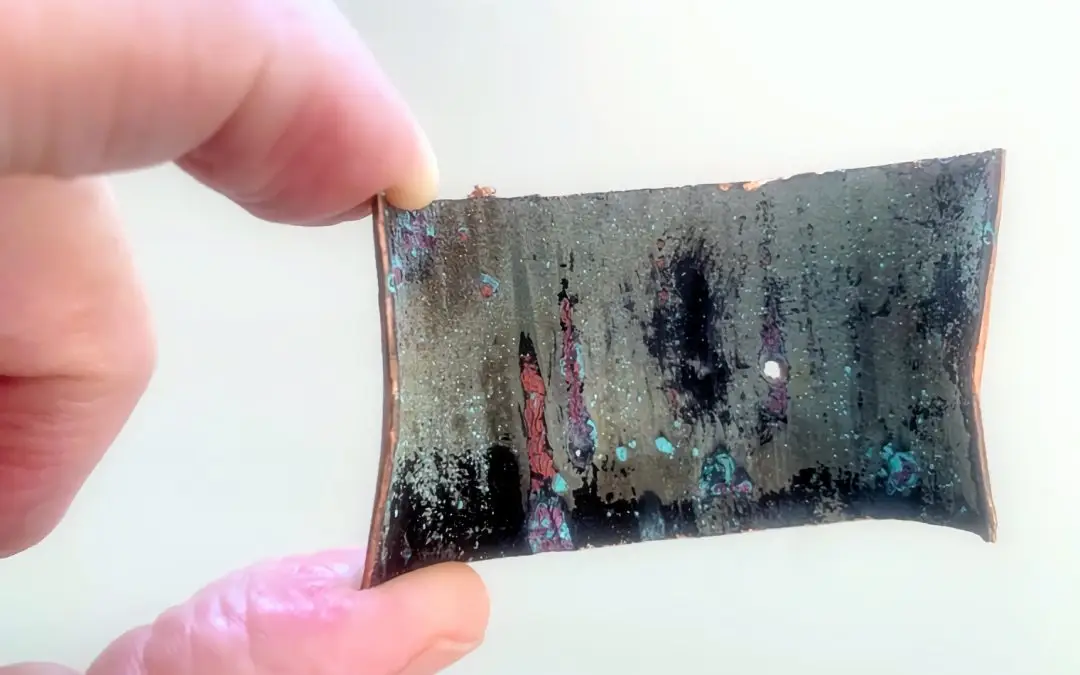
Common signs of electrolysis in copper pipes are the blue-green discolouration on the pipes. This is created by the formation of copper oxide over time and is a byproduct of the electrolysis reaction. This electrolysis can cause pinholes and leaks in the copper pipes.

Increasingly the most common cause of electrolysis that we are finding is an electrical fault in the earthing of the copper pipes. This is especially true with properties that have been renovated. Unfortunately, locating earthing issues is complex, and we need to use an electrician to confirm or eliminate earth leakage as the cause. Other electrolysis causes can be due to dissimilar metals, such as galvanised, steel, brass and copper pipes, coming into contact with each other.

copper pipe leaks at McDonalds Oxenford from electrolysis

How do you know if your copper pipe has electrolysis?

Often the problem is not found until you have copper pipe leaks. For example, your copper pipe may have turned green and shown pitting. Once the leaking section of the copper pipe is removed, you will observe that the inside is no longer smooth but has internal corrosion. A close inspection will reveal a crater appearance with pitted holes starting to form.

Once a copper pipe leaks due to electrolysis, it is essential to locate the cause. The replacement copper pipe quickly becomes infected if the reason is not found and removed.

To prevent electrolysis in copper pipes, it’s crucial to identify and eliminate the source of the electrical current. This will involve working with an electrician to check for stray currents or power line interference. In addition, it’s vital to use corrosion inhibitors in the water supply to help protect the pipes.

Another way to prevent electrolysis is to use a cathodic protection system. This unique device is installed on the pipe to provide a negative charge, which neutralises the positive charge caused by the electrical current and prevents the corrosion of the pipes.

In addition to these preventative measures, it’s also important to regularly inspect and maintain your copper pipes. This includes checking for signs of discolouration or leaks and ensuring that the copper pipes are appropriately insulated to reduce the risk of electrolysis.

Leaking Copper Pipes Never Fix Themselves

In conclusion, electrolysis is a problem that can occur in copper pipes and can cause significant damage. However, by understanding the causes of electrolysis and taking steps to prevent it, you can help ensure that your copper pipes remain in good condition for many years.

For example, suppose you suspect your copper pipe leaks are ongoing and may be experiencing electrolysis. In that case, you must contact the qualified plumbers at Whywait Plumbing to diagnose and repair the problem immediately.

No, Plumbers Aren’t Scammers: Why Free Quotes Don’t Tell The Whole Story

No, Plumbers Aren’t Scammers: Why Free Quotes Don’t Tell The Whole Story

Free quotes are not worth the risk

Hello there, plumbing enthusiasts and sceptics alike! Welcome to Whywait Plumbing, the company that doesn’t wait to deliver first-class plumbing services to your doorstep. Today, we want to talk about a common misconception that some people have about our industry: the idea that plumbers should provide free quotes on demand.

While we understand the appeal of free things, we also know the value of our time and expertise. So, in this post, we’ll explain why we don’t do free quotes and why you shouldn’t expect us to do so. And we’ll do it in an informative and entertaining way because we believe that humour and authority can go hand in hand. So, let’s dive in!

“Free Plumbing Quotes”: The elusive mythical creature of the plumbing world

First, let’s clarify what we mean by “free quotes”. A free quote is a rough estimate of how much a plumbing job might cost based on a brief description of the issue and some general rates. Some people assume that plumbers should be able to give them free quotes over the phone or email without ever seeing the problem in person or doing any diagnostics. Unfortunately, this assumption is flawed for several reasons.

No matter how experienced, a professional plumber cannot provide legitimate plumbing quotes over the phone. The only way to diagnose a plumbing problem is through an on-site investigation. 

Stand out from the crowd by saying No to Free Plumbing Quotes and Yes to Quality Workmanship

For starters, plumbing is not a one-size-fits-all kind of service. Every plumbing problem is unique, and every solution requires a tailored approach. What works for one blocked drain may not work for another, and what looks like a simple blockage may actually be a sign of a more significant issue. Without inspecting the problem firsthand, a plumber can only make educated guesses about what the job entails and how long it might take. And as we all know, guesses can be wrong.

Secondly, plumbing is not a static industry. Prices, materials, and techniques can vary depending on multiple factors, such as location, weather, availability, and complexity. As a result, what might have been a fair price for a similar job last year may not be the same today.

Plumbers risk overcharging or undercharging for their services by providing free plumbing quotes. This can lead to dissatisfied clients and lost profits. Moreover, providing free quotes can also attract price shoppers and tyre-kickers, who are not necessarily interested in hiring a plumber but rather in comparing prices between competitors. We don’t want to waste our time on non-committal inquiries, and we don’t want to waste yours.

From a business perspective, free quotes don’t add up

Plumbing is a skilled trade that requires education, training, experience, and equipment. Our plumbers have invested time and money in becoming licensed, insured, and qualified to handle multiple plumbing issues. They are not hobbyists, amateurs, or volunteers. They are professionals who take pride in their work and expect to be compensated fairly for their time and skills. By providing free quotes, plumbers devalue their expertise and make it seem like anyone can do what they do. We don’t want to undermine our profession, and we don’t like to encourage others to do so.

Now, we know that some people might still insist that we should provide free quotes because “that’s how other plumbers do it”, “that’s what customers expect”, or “that’s the only way to get new business”. But we respectfully disagree.

“Genuine Free Plumbing Quotes”: A mythical creature like a Yowie, except they’re not as much fun and just as rare in plumbing

We believe that providing accurate, fair, and transparent quotes is more important than giving free quotes. We believe that building trust, communication, and relationships with our clients is more critical than providing instant gratification. We believe educating our clients about plumbing issues, prevention, and maintenance is more important than just fixing the symptoms. And we think having a sense of humour is more important than being too serious or stiff.

So, to sum it up: we don’t do free quotes because we care.

free quotes and Gary Mays
The Future of Flushable Products: A Comprehensive New Standard AS/NZS 5328:2022 Flushable Products

The Future of Flushable Products: A Comprehensive New Standard AS/NZS 5328:2022 Flushable Products

New Flushable Products Standard: A Win for Whywait Plumbing and Our Customers Introduction

Here at Whywait Plumbing, we have long advocated for clear guidelines around using and labelling flushable products. But unfortunately, we’ve seen far too many instances of blockages, overflowing drains, and the ensuing damage to properties and infrastructure due to the misuse of such products.

So from our perspective, sharing the recent news about releasing the new Flushable Products Standard is positive. After all, We’ve done media interviews on this, plus written countless blogs and newsletter articles:

The Water Services Association of Australia (WSAA) has released the new Flushable Products Standard (PAS 2845.1:2022), which provides manufacturers and consumers with clear guidance on the proper use and disposal of flushable products. In this blog post, we’ll explore the critical aspects of this new Standard and discuss how it aligns with Whywait Plumbing’s long-held beliefs on the issue.

The Importance of the Flushable Products Standard

Addressing the Drain Blockage Problem

Whywait Plumbing has been advocating for these changes mainly because of the immense problem of drain blockages caused by flushing inappropriate items down the toilet. According to the WSAA, approximately 75% of sewer blockages are caused by flushing non-flushable items, costing millions of dollars annually to rectify.

This has led to environmental issues and costly repairs for homeowners and local water authorities. The new Flushable Products Standard aims to reduce the incidence of blockages and save money for everyone involved, making it a welcome development for plumbers and homeowners alike.

Clear Guidelines for Manufacturers

One of the critical aspects of the new Standard is the provision of clear guidelines for manufacturers of flushable products. This includes stringent testing requirements to ensure that only genuinely flushable products can be marketed as such. The Standard also mandates clear labelling, helping consumers make informed choices about what they flush down their toilets.

This means that manufacturers will now have to adhere to these guidelines, ensuring that their products meet the criteria to be deemed flushable. This will help reduce the number of inappropriate items being flushed, leading to fewer blockages and plumbing problems.

How Will The Symbol Be Displayed

The symbols for packaging indicating that a product has passed the criteria in the Standard and is safe for flushing can vary. However, they are typically simple, easily recognisable icons that convey the message. For example, for products that are safe to flush, the symbol might consist of a toilet with a checkmark, signifying that the item can be flushed without causing harm to the plumbing system or the environment.

Conversely, if a product is unsuitable for flushing, the symbol might depict a toilet with a crossed-out circle, indicating that the item should not be flushed. This “do not flush” symbol is crucial for products with a high potential to be flushed, as it helps inform customers about the appropriate disposal method.

In both cases, the symbol should be prominently visible on the on-shelf package, unobscured by packaging seals or folds, ensuring that consumers can quickly identify whether the product is flushable. Again, the goal is to provide consumers with clear, easily understood information, helping them make responsible choices for their plumbing systems and the environment.

flushable products standard

How Does A Product Qualify to Be Flushable?

To qualify for the new Flushable Products Standard and display the flushable logo, products must undergo a series of tests and meet specific criteria outlined in the Standard. These tests ensure the product is safe for flushing and will not harm the plumbing system or the environment. Here are the seven steps a product must pass to qualify:

  1. Clears the toilet and household drain line: The product must pass through the toilet and the household drain line without causing blockages or damage to the plumbing system.
  2. Doesn’t foul household sewage pumps: The product must not clog or interfere with the proper functioning of household sewage pumps.
  3. Disintegrates quickly to prevent sewer blockages: The product must break down rapidly once it enters the sewer system to ensure that it does not cause blockages or damage to the sewer infrastructure.
  4. Doesn’t foul council sewer water utility pumps: The product must not cause any problems or blockages in municipal water utility pumps, ensuring that the more extensive sewage treatment system remains functional.
  5. Settles out in a sewage plant: The product must settle out in a sewage treatment plant, allowing it to be correctly processed and treated without causing issues in the sewage plant.
  6. Biodegrades: The product must be able to biodegrade naturally, ensuring that it does not contribute to environmental pollution or harm aquatic life.
  7. Doesn’t contain plastics (via an attestation): Manufacturers must attest that their product does not contain any plastics, helping to reduce the amount of plastic waste entering our waterways and sewer systems.

By meeting these requirements, a product can qualify for the Flushable Products Standard and display the flushable logo on its packaging. This provides consumers with clear information about the product’s suitability for flushing, helping them make responsible choices for their plumbing systems and the environment.

flushable products standard testing requirements

How the Flushable Products Standard Aligns with Whywait Plumbing’s Beliefs

Prioritising the Health of Our Waterways and Infrastructure

At Whywait Plumbing, we have always believed in maintaining the health of our waterways and infrastructure. The new Flushable Products Standard is a significant step in this direction. It will help prevent the clogging of our sewer systems and the pollution of our waterways with non-flushable waste.

By ensuring that only genuinely flushable products can be marketed as such, we can collectively reduce the strain on our water infrastructure and preserve the environment for future generations.

Empowering Consumers with Accurate Information

Another critical aspect of the Flushable Products Standard that aligns with our beliefs is the focus on providing consumers with accurate information about the products they use. With precise labelling requirements, consumers will be better informed about which items are safe to flush and which should be disposed of in other ways.

This empowers individuals to make better choices for their homes and the environment, helping to reduce the number of blockages and plumbing issues caused by flushing inappropriate items.

A Positive Step for the Plumbing Industry and the Environment

The release of the Flushable Products Standard (PAS 2845.1:2022) is a significant milestone in the fight against drain blockages and the associated environmental and financial costs. By providing clear guidelines for manufacturers and empowering consumers with accurate information, this Standard will help to reduce the number of blockages caused by non-flushable items.

As a long-time advocate for these changes, Whywait Plumbing is delighted to see this progress. It remains committed to promoting responsible flushing practices and educating our customers about the importance of these new guidelines. We believe this Standard will positively impact the plumbing industry, the environment, and the overall health of our water infrastructure.

Our Commitment to Client Education

At Whywait Plumbing, we understand that many of our customers may not be aware of the new Flushable Products Standard and the implications it has for their daily lives. As a result, we are dedicated to educating our customers about the importance of following these guidelines and how they can help prevent blockages and protect the environment.

We will update our website, social media channels, and other educational materials to reflect the latest information on flushable products and the new Standard. Additionally, our team of skilled plumbers will be available to advise and answer any questions our customers may have regarding the proper use and disposal of flushable products.

Future Developments and Ongoing Advocacy

While releasing the Flushable Products Standard is a significant achievement, we at Whywait Plumbing believe there is always room for improvement and further progress. Therefore, we will continue to advocate for stricter guidelines, increased public awareness, and ongoing research into developing truly flushable products that do not harm our waterways and infrastructure.

We will also remain vigilant in monitoring the implementation and enforcement of the new Standard, ensuring that manufacturers comply with the guidelines and that consumers have access to accurate and up-to-date information. We aim to be crucial in driving positive change within the plumbing industry and beyond by staying active in this space.

Tips for Preventing Drain Blockages

While the Flushable Products Standard is a significant step in the right direction, everyone needs to play their part in preventing drain blockages. Here are some practical tips for ensuring your plumbing system stays in top shape:

Only flush the “Three P’s”: Always remember that the only items that should be flushed down the toilet are pee, poo, and toilet paper. Everything else, including wet wipes, facial tissues, and sanitary products, should be disposed of in the trash.

Dispose of fats, oils, and grease (FOG) responsibly: FOG can solidify in your pipes and cause blockages. Instead of pouring them down the sink, collect them in a container and dispose of them in the trash once cooled.

Install drain screens: Placing a drain screen over your sink, shower, and bathtub drains can help catch hair, soap scum, and other debris, preventing them from entering your pipes and causing blockages.

Schedule regular plumbing maintenance: Having a professional plumber inspect and clean your plumbing system regularly can help identify and address potential issues before they become significant problems.

Whywait Plumbing: Your Partner in Responsible Plumbing Practices

As a company that has long advocated for responsible plumbing practices and the proper use of flushable products, Whywait Plumbing is proud to support the implementation of the new Flushable Products Standard. We believe this Standard will decrease drain blockages, benefiting homeowners and the environment.

If you have any questions about the new Standard or need assistance with your plumbing system, please don’t hesitate to contact us at Whywait Plumbing. Our experienced professionals are always here to help you with your plumbing needs, ensuring your home’s plumbing system remains in top condition.

CALL NOW
CALL NOW