

Whywait Plumbing Services Logo

OFFICE HOURS

Mon to Fri 7.30am – 4pm
24-Hour EMERGENCY SERVICE

CALL 7 DAYS FOR SERVICE!

YOUR TRUSTED GOLD COAST PLUMBERS & GAS FITTERS

OFFICE HOURS
Mon – Sun 7.30am – 4pm
24 Hr Emergency Service

Wastewater management is every ones responsibility aiding sustainability

Wastewater management is every ones responsibility aiding sustainability

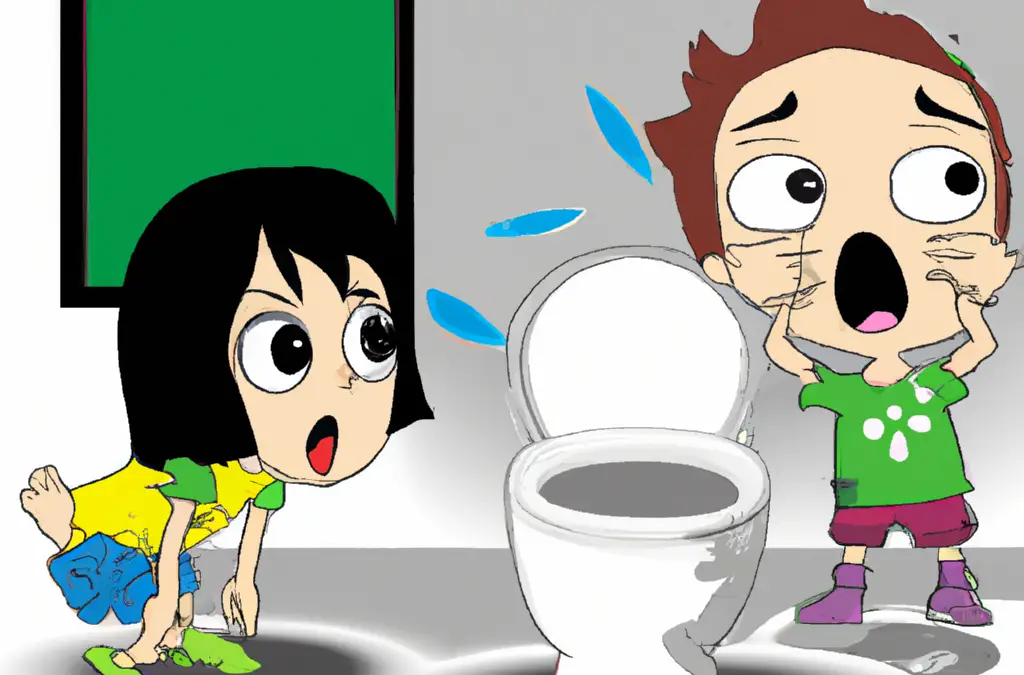
Do you know what happens to your water when you flush the toilet?

At Whywait Plumbing, we know how important it is to take care of our wastewater. Wastewater is any water used in homes or businesses that needs to be cleaned before it can be safely released into the environment. If not appropriately managed, wastewater can pollute our water sources, harm wildlife and affect our health. That’s why we want to help our clients understand the best ways to handle their wastewater.

First, it’s essential to know that there are different types of wastewater. Household wastewater comes from everyday activities like showering, washing dishes and doing laundry. Industrial wastewater is created by restaurants, mechanics workshops, bakeries, supermarkets, butcher shops, factories and can have different chemicals and pollutants. Both types of wastewater need to be cleaned before they are let into the environment. Most of the time, this cleaning happens at a wastewater treatment plant. These plants use a combination of physical, chemical and biological methods to remove pollutants and bacteria from the water.

Households produce an average of 300 litres of wastewater per person per day. Despite popular misconceptions, ninety-nine per cent of this wastewater is just water. The other one per cent is contaminated wastewater. Wastewater is a vital resource and will be released to our land, waterways and the ocean as recycled water after treatment.

What is wastewater?

At Whywait Plumbing, we ensure that our customer’s wastewater management treatment systems are working correctly. This includes regular maintenance and repairs for septic tanks, treatment plants, grease traps, house drain sewer systems, and installing new systems when needed. If you live in the City of Gold Coast, then you are connected to the council sewage system unless you live in a rural area.

It’s also important to try and reduce the number of pollutants that get into the wastewater system in the first place. This means being careful about what we put down the drain or toilet, such as grease, oil and chemicals.

Another essential aspect of wastewater management is appropriately disposing of greywater. Greywater is water that has been used for things like laundry or showering but does not have fecal matter in it. Greywater can often be reused for watering gardens or flushing toilets, which helps us save our freshwater resources.

Stormwater is also wastewater being the runoff that flows from roofs, parks, gardens, roads, paths and gutters into stormwater drains after rain in urban areas. Stormwater flows untreated directly to local creeks, streams or rivers, eventually flowing into the ocean. As a result, most stormwater receives no treatment. However, this is changing in new subdivisions and commercial sites with stormwater treatment to remove vegetation debris, human litter, sand, and gravel using bioretention basins and gross pollutant traps.

What are On-site Sewerage Facilities?

At Whywait Plumbing, we understand that not everyone has access to the same sewerage infrastructure provided by the council. That’s why we want to explain what On-site Sewerage Facilities (OSSF) are and how they can help keep your property and the environment safe. Traditionally these have been called septic tanks.

OSSF’s are systems that treat and dispose of the sewerage generated on your property within your property boundaries. These systems include septic tanks, aerated wastewater treatment systems, passive wastewater treatment systems and composting toilets. These types of systems are typically required in areas that are not serviced by council sewerage infrastructure.

It’s important to note that well-maintained OSSF can help protect public health and safety and reduce the risk of environmental harm with contaminated water flowing into creeks and streams. So, if you have an OSSF on your property, it is essential to keep it well-maintained to ensure it continues to work effectively.

If you have questions or concerns about your On-site Sewerage Facilities, please don’t hesitate to contact us at Whywait Plumbing. We’re always happy to help!

How is wastewater treated in a sewage treatment facility?

At Whywait Plumbing, we want to ensure you understand how sewage is treated before it is released into the environment and, ultimately, into the ocean. On the Gold Coast, there are four wastewater management treatment plants at Pimpama, Coombabah, Merrimac and Elanora, which process your wastewater in four stages:

  • In the first stage, primary treatment, they remove large objects and debris from the sewage. They do this by passing the sewage through screens to catch anything that shouldn’t be there, like plastic or other trash. They also use grit traps to remove smaller particles like sand. After that, they let the sewage sit in tanks so that any remaining solids can settle to the bottom and be removed. Finally, they also skim off any grease or scum that floats to the top.
  • Next, they use microorganisms to break down and remove any remaining dissolved wastes and small particles. This is called the secondary stage treatment. Finally, they add microorganisms to the sewage that eat away any remaining pollutants.
  • In the third stage, nutrient removal, they remove nitrogen and phosphorus from the sewage. These nutrients can cause problems in our waterways, like algal blooms.
  • Finally, they disinfect the sewage to ensure it’s safe to release back into the environment as recycled water for golf courses and parks or ocean discharge. They do this by adding chemicals or using ultraviolet light to kill any remaining disease-causing microorganisms. They may also let the sewage sit in the ponds for several weeks, allowing the microorganisms to die off naturally before releasing it.

We hope this helps you understand the sewage treatment process and how it keeps our waterways clean and safe!

How can you help?

At Whywait Plumbing, we educate our clients on wastewater management and provide the necessary services to manage their wastewater seriously.

There are multiple ways you can help that are simple everyday tasks:

  • never connect stormwater drains to any part of your house sewer drains
  • never put substances such as petrol, oil, solvents, pesticides or herbicides into sewer or stormwater drains
  • compost all kitchen food scraps
  • use natural cleaning products that are phosphate and bleach free
wastewater management  creates a clean environment for drinking water

Ultimately we are all individually responsible for sustainable wastewater management to keep our water sources and the environment clean and safe for future generations by working together.

Understanding Water Pipe Pressure: How it Works and Why it Matters

Understanding Water Pipe Pressure: How it Works and Why it Matters

What are the legally required water pressure requirements?

Water pressure within a commercial or residential building is from a consumer viewpoint based on perception rather than reality. According to AS/NZS 3500.1:2021 Water Services in section 3.3 Pressure Requirements, the water pressure should be between 50kPa and 500kPa at the furthermost or most disadvantaged fixture or outlet within a building, with the ideal pressure at outlets being at least 150kPa.

In simple terms, water pressure measures the force required to move water through the pipework and to the fixture outlet and maintain a residual force in the pipework to ensure water is immediately available when needed. When the pressure falls below 150kPa, taps, valves, plumbing fixtures, and appliances may fail to operate correctly. In such cases, a means to increase the pressure, such as pumping, must be provided.

However, excessive pressure beyond the limits specified in AS/NZS 3500.1:2021 can also cause issues. include;

  • Water wastage with excess water going into the drain.
  • Noisy pipes, taps and valves.
  • Water hammer.
  • Potential for leakage from valves and fixtures such as toilet cisterns.
  • Failure of pipe joints and valves.
  • Taps, valves, fixtures, and appliances have a shortened life cycle.
  • Increased plumbing maintenance costs.

To counter this, pressure-limiting or pressure-reducing valves should be installed when the residual pressure at outlets exceeds the specified or required limits. Additionally, it’s worth noting that the warranties of some appliances or fixture outlet devices may be voided if excessive pressure is evident.

The difference between static and flow pressure

Another important aspect is the difference between static and flow pressure. Static pressure is the pressure exerted by the water on the walls of the pipe, fittings or valves when no water is flowing.

In contrast, flow pressure is the pressure that exists at any point in the system when water is flowing at that point. So in a horizontal pipe, no matter where you measure the static pressure in the pipeline at a tap, you would have the same pressure reading.

For a single-story residential home, if the pressure is 500kPa where the pipe enters the house, it would also be 500kPa at the rear hose tap of the house. The static pressure will reduce as soon as that hose tap is turned on.

What is flow pressure?

Flow pressure exists at any point in the system when water is flowing at that point when a tap or fixture is turned on. Once the water starts to flow, the water moving through the pipe uses some energy to push past the pipe surface, bends, tees and valves no matter how smooth the internal piping system is.

This movement consumes energy and reduces the pressure to push the water out of the end of the tap. This pressure loss is due to friction occurring at every point along the pipeline. When water starts to flow through a pipe, the pressure is highest at the source and decreases every metre along that pipe. Therefore, the pressure would be lowest at the most distant tap or fixture.

How is water pipe pressure created?

Water pressure can be created in two ways: through gravity pressure, generated at water outlets that are lower than a water reservoir and through pumped (boost) pressure created by the force of a pump, which draws in water from a source and discharges it at a higher pressure from the outlet of the pump.

water pipe pressure maintained by Whywait Plumbing

What is gravity water pressure?

All over the Gold Coast, we have reservoirs at elevated locations. The water is distributed from these reservoirs through a network of piping known as a gravity water mains system.

Pressure varies at different locations along the distribution water main depending on the distance from the reservoir and the elevation of the home from that reservoir which is illustrated in Fig 1.

Homes located at low elevation areas receive the highest pressure. Alternately homes located at the highest elevation receive much lower pressure.

The horizontal distance from the reservoir is the other factor that will considerably influence the gravity of the pressure received at each individual home.

With the Gold Coast gravity water mains system the greater the distance from the reservoir that your home is the lower the pressure you will receive. This pressure reduction is due to frictional loss within the pipework compared to the homes closer to the reservoir.

What is pumped water pressure?

In all buildings where the pressure is inadequate for the water service functions required within the building, a pressure booster pump has to be installed to add pressure to the available water mains pressure. This is necessary to overcome the vertical height of the building and the frictional resistance or loss within the pipes, fittings or valves, as well as to supply the required pressure at the tap or fixture outlet.

For pressure requirements at taps and fixtures, it is initially the responsibility of the hydraulic engineer and the plumber to design and install the necessary water flow and pressure in the building during construction to satisfy the function and operation of all of the taps, fixtures and appliances. Ideally, the plumber would aim for at least 250 to 400 kPa at the taps and fixtures.

Why is head pressure important for water pressure?

Head pressure is critical to ensuring adequate water in every building, especially in high-rise buildings.

In pump systems, the water pressure head is measured in metres meaning that every 1-metre increase in height (1-metre head) requires 9.81kPa to lift the water up 1 metre. It is precisely the same for gravity systems, so for every 1 metre below the reservoir, gravity provides 9.81 kPa water pressure. To keep it simple, use the rule of thumb, which is 1-metre head equals 10 kPa.

If you want to put this into perspective, the tallest building currently on the Gold Coast is the Q1 Building which has 77 floors and is 322.5 meters high, so to pump water from the bottom of the building to the top requires 3164 kPa pressure. As you can see in Fig 2 below, an example of how high-rise buildings are supplied with water to the very top. With the height difference of each floor, pressure-reduction valves are required at each floor level to balance the pressure delivery at the taps and fixtures.

Water pressure for taps and fixtures is an important consideration

When constructing a new building, the hydraulic engineer and the plumber must provide the entire building water flow and pressure at the taps, fixtures and appliances to ensure their function and operation per each manufacturer’s requirements.

Achieving the correct pressure is crucial to the operation of any building. Almost every building, whether a residential home or a high-rise building, will have water pressure controls, pressure limiting, and pressure reducing valves to ensure pipe pressure does not exceed 500 kPa and each tap, fixture or appliance performs to the manufacturer’s specifications.

If the pressure is too low, this will inconvenience and impact the occupants in multiple areas, such as the washing machine, garden hose taps, bath filling, toilet cistern filling and low-pressure showers.

Conversely, if the pressure is too high, as we have already discussed above, the results can be disastrous and result in water wastage with excess water going into the drain, noisy pipes, taps and valves, water hammer, the potential for leakage from valves and fixtures such as toilet cisterns, the failure of pipe joints and valves, taps, valves, fixtures, and appliances having a shortened operational life cycle expectancy and increased plumbing maintenance costs.

The issues with pressure loss

In all new buildings, as we have already discussed pressure head is crucial when selecting and sizing the water pipe services. The pipes, valves and fittings’ head loss or pressure loss are equally important as the supply pressure entering the building.

Excessive pressure losses in the water piping can be caused by selecting incorrect pipe sizes and valves with high frictional loss. This may cause more significant overall frictional head loss within the water supply piping system. In many Gold Coast residential homes, this is a major issue with poor pressure, especially in showers, as the plumber has only used 12mm piping instead of 20mm, which as we now know, creates significant pressure reduction due to frictional resistance.

Your water pressure needs monitoring

In conclusion, proper pressure is essential for all taps, plumbing fixtures and appliances.

At Whywait Plumbing, we strive to provide our clients with the necessary solutions and services to ensure that their pressure is within the ideal range as per AS/NZS 3500.1:2021. We understand the importance of proper water pressure and the potential risks associated with inadequate or excessive pressure.

You need to maintain your plumbing systems, such as pumps and pressure reduction valves installed at the time of construction, to ensure they continue to function correctly and provide you with the correct pressure of 500 kPa.

If you have any concerns about your water pressure, don’t hesitate to contact us for professional advice and solutions.

low water pressure Gold Coast
Mitigating Flood Damage: How to Implement Water Surge Protection in Water Pipes

Mitigating Flood Damage: How to Implement Water Surge Protection in Water Pipes

What is a water surge or water hammer?

At Whywait Plumbing, we understand that a water surge or water hammer can be frustrating and potentially damaging for homeowners. That’s why we’re here to explain the problem in simple terms and offer solutions for preventing and resolving it.

Water hammer or water surge is a common issue in any system that utilises pipework, valves, pumps, and other equipment to control water flow or other liquids throughout a building.

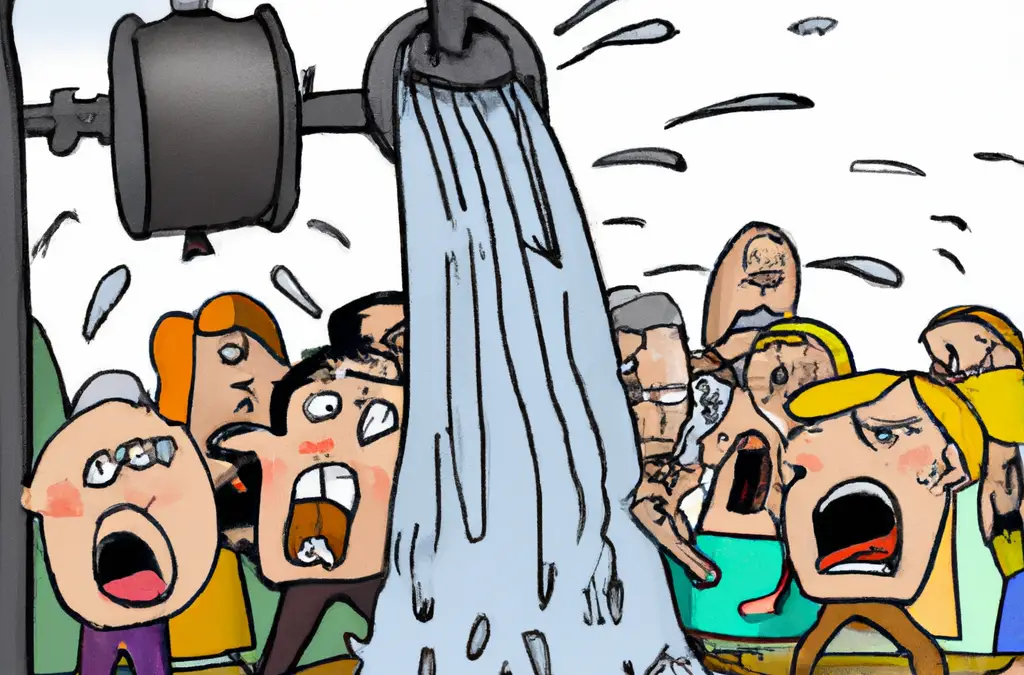
One of the most common causes of a water surge or water hammer is the rapid closing of a valve. When a valve is closed quickly, water hits a dead end, sharp bend, or any other situation that creates a high-pressure shockwave to travel through the pipework, causing a loud banging noise and increased pressure. This can damage pipes, fittings, and appliances and cause leaks.

Another common cause of water surge is a problem with your pressure pump system. If your pump is malfunctioning, it can create a surge of pressure that can cause the same issues as a rapidly closed valve.

 The effects of water hammer can range from a loud knocking or banging noise in the pipes to more severe issues such as broken pipework. However, the risks posed by water surge are particularly significant in high-rise buildings.

High-rise buildings are susceptible to water surge

Most high-rise buildings have at least one riser that runs from the basement to the top floor and connects to smaller distribution pipework on each floor. Suppose a pump stops operating, for example, due to a power cut or a fault in the system. In that case, the water pressure in the building gradually declines as outlets are opened, and the remaining water in the system is drained under gravity.

This can create a vacuum in the pipework, depending on whether there are non-return valves or pressure-reducing valves installed in other parts of the water pipe reticulation system. When the power is restored, and the pump begins to operate again, it restores system pressure to pre-set levels. However, if the unit is not designed, installed and maintained correctly and does not have a comprehensive “soft fill mode”, the water hammer or water surge will be almost unavoidable.

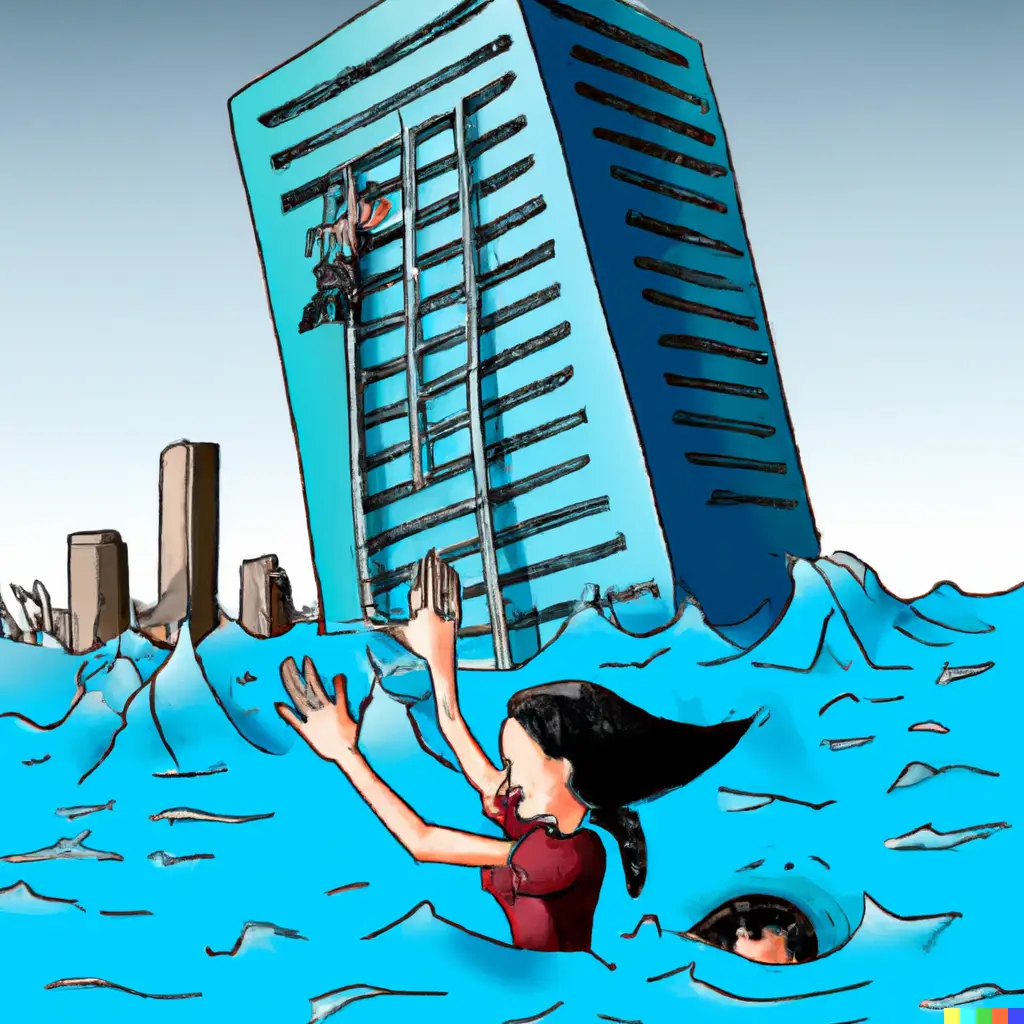
In the worst-case scenario, pressurised water is pushed into a vacuum, causing the water to accelerate beyond expected design velocities. This can be due to multiple pumps running or pumps that are designed as “standby”. This results in a hydraulic shock to the pipework that can be beyond the operating pressure of the system, potentially causing weak pipework or connections to burst, resulting in flooding and expensive water damage within the building.

Not only is this expensive to repair, it means downtime to the building’s water supply. It is also a severe health and safety risk to those occupying the building during the burst.

water surge is a danger to high rise buildings on Gold Coast

Recommended precautions

To avoid these issues, it’s essential to take the necessary precautions. One solution is to ensure that you have a booster set with a surge protection feature, so when the pumps are powered back up, they are limited to one pump and gradually increase their pressure to avoid ramping up too quickly. In addition, an AWSPV valve or an Air and Water Protection Valve can be installed at the top of each riser. This device not only avoids vacuum being created, but it also forces air through the “anti-surge” orifice when the system is filling, allowing for the deceleration of the incoming water supply, thanks to the resistance created by rising air pressure in the AWSPV valve.

This softens the potential pressure spike when the AWSPV valve finally closes. The AWSPV valve design ensures effective de-aeration under all pipeline flow and operating conditions via one of three discharge orifices. Once the system is full and free of air, the valve seals and must be piped to a drain or safe area to ensure any leaks are discharged to a visible position. This ensures that everything is visible without causing further water damage.

In conclusion, a water hammer or water surge is a common issue in any system that utilises pipework, valves, pumps, and other equipment to control water flow throughout a building. High-rise buildings are particularly at risk due to the potential for a vacuum to be created when the water pressure is restored, which can cause a surge in water pressure and potentially cause damage to the pipework or connections. By taking the necessary precautions, such as ensuring a booster set with a surge protection feature and installing an Air and Water Protection Valve, you can avoid these issues and ensure the safety and reliability of your building’s water supply.

Proactive prevention you should implement

To prevent water surge, it is crucial to have your plumbing system regularly inspected and maintained by a professional plumber. This can help identify any potential issues before they become a problem.

Even in your traditional home, installing a water hammer arrestor, a device that absorbs the shock wave created by a rapidly closed valve, can help prevent water surge or water hammer from occurring.

If you have doubts about whether you are experiencing a water hammer or a water surge in your home or your high-rise building, don’t hesitate to contact the experts at Whywait Plumbing. Our team of experienced plumbers can diagnose the problem, offer solutions, and get your plumbing system back to working correctly. Whether a simple adjustment or a complex repair, we have the skills and expertise to get the job done right.

At Whywait Plumbing, we are experts in protecting you from water surge or water hammer. We can help you understand the causes of your problems and recommend the best solutions for your home or high-rise building. Contact us today to schedule an appointment.

As your water pipes age erosion and corrosion can create significant expenses

As your water pipes age erosion and corrosion can create significant expenses

What is erosion and corrosion in copper pipes?

At Whywait Plumbing, we understand the importance of protecting your plumbing and infrastructure from damage caused by erosion and corrosion. These processes can cause significant damage to pipes, fittings, and other components, leading to costly repairs and even complete system failures. In this blog post, we will discuss the causes of erosion and corrosion and the steps you can take to prevent or mitigate these issues.

Erosion is the gradual wearing away of materials caused by the movement of water, air, or other natural elements. This can happen in various ways, including water flowing through pipes, air passing over metal surfaces, or even soil movement around underground pipes. Erosion can cause damage to the surface of pipes, fittings, and other components, making them more susceptible to leaks and other problems.

Conversely, corrosion is the gradual destruction of materials caused by chemical reactions to the environment. For example, this can happen when pipes and fittings are exposed to water containing dissolved oxygen, acids, or other harmful chemicals. As a result, corrosion can cause damage to the surface of pipes, fittings, and other components, making them more susceptible to leaks and other problems.

Temperature and high water pressure velocity are the leading causes of erosion and corrosion in your water pipes.

High velocity or high pressure over a long period can cause the internal pipe surface to corrode, eventually leading to pinholes in the pipes.

Your hot water pipes are even more susceptible to erosion and corrosion as they age. In commercial buildings or older homes without tempering valves, the circulating hot water temperature is usually over 60° C which, combined with high pressure, creates a high risk for erosion and corrosion.

Repercussions of eroding water pipes and the consequences

Erosion and corrosion in your hot and cold water reticulation pipes can have multiple consequences, resulting in costly plumbing rectification work. The most common issues will be:

  • High water bills with significant amounts of wasted water leaking through underground pipes.
  • Corroding pipes leads to reduced flow rates, especially if you have copper pipe or galvanised piping.
  • Failure of critical infrastructure, especially in commercial buildings.
  • Both erosion and corrosion weaken the structural integrity of pipes leading to leaks that cause damage to buildings structurally and to furniture and possessions.
  • High-pressure velocity and the breaking down of pipes internally can create failure in valves such as toilet cisterns and hot water systems.


Which water pipes are most at risk from erosion and corrosion?

With the right combination of temperature and high-pressure water velocity, all piping systems are at risk of erosion and corrosion. Listed below are pipe types and their risks.

  • Copper – copper piping is most at risk of internal and external erosion and corrosion. Externally mainly if laid in concrete or underground the pipe needs to be fully covered by impervious wrapping such as Denso tape. Copper is the most at risk pipe from high-pressure water velocity corroding the internal pipe surface.
  • Pex – pex piping has a much more significant internal and external tolerance to erosion and corrosion. As with all pipes, high-pressure water velocity can still damage the pipe internally over time.
  • Polyethylene or Poly Pipe – poly pipe is mainly used externally underground and, if installed correctly, has significant internal and external tolerance to erosion and corrosion. As with all pipes, high-pressure water velocity can still damage the pipe internally over time.
  • Stainless Steel – stainless steel piping is frequently used in commercial buildings as it has highly significant internal and external tolerance to erosion and corrosion. As with all pipes, high-pressure water velocity can still damage the pipe internally over time.
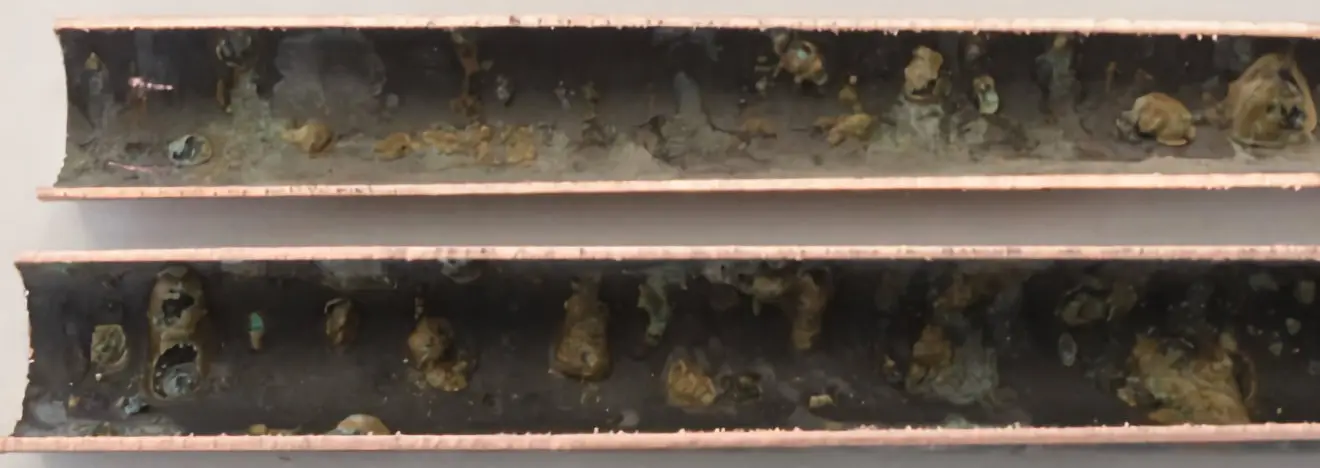
erosion and corrosion in copper pipes

The photo above is a pipe we removed and sent to Kembla for testing, as our client had suffered multiple leaks in both hot and cold pipes. They then cut and sectioned the copper pipe longitudinally to examine the internal surface in more detail. The interior surface was observed to have a well-formed black oxide layer partially covered in a layer of fine light brown silt. Multiple corrosion nodules were observed running the entire length of the cross-section. Most of these corrosion nodules are covered in fine brown silt. Brown silt was removed from several corrosion nodules to determine what was underneath. It was observed in many of the corrosion nodules the silt crust was hollow, with a void or air bubble immediately under the surface, under that a layer of corrosion product was sitting at the surface of the tube. The corrosion products were shown to be a loose mixture of black copper oxides and blue-green copper carbonate corrosion products.

Preventing erosion and corrosion in copper pipes

Preventing erosion and corrosion is essential to protecting your plumbing and infrastructure. One of the most effective ways to do this is by using materials that are resistant to the effects of erosion and corrosion. Stainless steel, for example, is highly resistant to corrosion and can be used in various applications. Other materials, such as plastics and copper, can also be used to protect against erosion and corrosion.

Another essential step in preventing erosion and corrosion is properly maintaining your plumbing and infrastructure. This includes regular inspections and repairs and proper cleaning and maintenance of pipes, fittings, and other components. In addition, it is essential to protect your plumbing and infrastructure adequately from the elements by using coatings and other protective measures.

It is also essential to be aware of any potential sources of erosion and corrosion in your area. This can include heavy rainfall, high water table, or even nearby construction projects. By understanding the specific risks in your area, you can take steps to mitigate or prevent damage caused by erosion and corrosion.

What do you need to do to prevent a high plumbing bill?

Individually, you cannot do much to protect your plumbing water pipe infrastructure. The critical step you should take is for Whywait Plumbing to undertake regular inspections and preventative maintenance. We need to ensure the following:

  • Your water pressure does not exceed 500 kPa by ensuring a fully functioning pressure reduction valve after your water meter. This eliminates the risks created by high-pressure water velocity.
  • Your hot water does not circulate above 50° C, requiring fully functioning tempering or thermostatic mixing valves. This eliminates the risk of internal erosion of pipe surfaces due to water temperatures over 60° C.

In conclusion, erosion and corrosion are serious issues that can cause significant damage to your plumbing water pipe reticulation infrastructure. However, using materials resistant to erosion and corrosion, correctly maintaining your plumbing and infrastructure, and being aware of potential sources of erosion and corrosion can help protect your property and avoid costly repairs. At Whywait Plumbing, we are committed to helping you protect your property from the effects of erosion and corrosion.

If you have any concerns about the condition of your plumbing and infrastructure, please don’t hesitate to contact us for a consultation. We’re here to help and ensure your plumbing is in top shape.

low water pressure Gold Coast
Is Gold Coast water safely disinfected with chlorine or chloramine?

Is Gold Coast water safely disinfected with chlorine or chloramine?

Where does Gold Coast water come from?

Your Gold Coast water is sourced from Seqwater, which literally can source it from anywhere. The most common is from rainfall collected in dams which are part of lakes, rivers and streams.

Remember, all rainwater is essentially recycled water. So before the water gets to your taps, it has travelled a long way. Frequently it has travelled overground, picking up dirt, decaying vegetation and animal droppings.

Gold Coast water is mainly from the Hinze Dam, and the Little Nerang Dam system is the city’s main water source. It has a total capacity of around 320GL, and the upgrades to the Hinze Dam completed in 2011 have increased its ability to store water during floods. The area that provides water to the dam is 207 square kilometres and includes the Numinbah Valley and Springbrook Plateau, with most of it being covered by natural bushland in state forests and national parks.

The Gold Coast Desalination Plant (GCDP) was also added in 2009 as an additional source of drinking water, which converts seawater from the Pacific Ocean into safe drinking water. The city receives treated drinking water from Seqwater, which is treated at the Molendinar and Mudgeeraba water treatment plants (WTP) with a combined capacity of around 265 ML/day, and the GCDP with a capacity of 133 ML/day. Sometimes they also receive additional water from the Mt Crosby WTP through the Southern Regional Water Pipeline (SRWP), which has a capacity of 130 ML/day.

The Australian Drinking Water Guidelines (ADWG) state that disinfection is the most important step in ensuring safe drinking water. The city’s drinking water supply is disinfected using chlorine (hypochlorite) and GCWW works to ensure a level of disinfection between 0.2mg/L and 1.8mg/L throughout the drinking water supply network at all times. This is to prevent contamination of the drinking water and protect public health.

Hinze Dam source of Gold Coast water from Whywait Plumbing

How is Gold Coast water disinfected?

Disinfecting your drinking water means that naturally occurring bacteria and germs need to be destroyed before water is distributed through all the water supply main pipelines in the City of Gold Coast.

When it comes to disinfecting drinking water, two of the most commonly used chemicals are chlorine and chloramine. Both of these chemicals are effective at killing bacteria and other harmful microorganisms, but they have some key differences.

Chlorine is a powerful oxidizer that has been used to disinfect drinking water for more than a century. It is a gas that is added to water in the form of a liquid or a powder. Chlorine works by penetrating the cell walls of microorganisms and destroying their enzymes, which kills the organisms. Chlorine is effective at killing a wide range of microorganisms, including bacteria, viruses, and protozoa. It is also relatively inexpensive and easy to use.

Chloramine, on the other hand, is a compound that is formed when chlorine is combined with ammonia. Like chlorine, chloramine is added to water to disinfect it, and it is also effective at killing a wide range of microorganisms. However, chloramine is more stable than chlorine, which means that it can remain in the water for more extended periods of time. This can be beneficial because it provides a more consistent level of disinfection. In addition, Chloramine is less corrosive than chlorine and can be safer for your plumbing and appliances.

Both chlorine and chloramine have their own set of benefits and drawbacks, and each is suited to different types of water treatment applications. Chlorine is commonly used in small and large water treatment plants, and chloramine is mainly used in distribution systems and large treatment plants.

Your Gold Coast water flowing from your tap is currently disinfected with chlorine.

Can I filter my drinking water?

Filtering your drinking water is simple. Let’s face it most of us drink the water from the kitchen tap.

You can go to the expense of installing whole-of-house water filtration systems, but they are expensive to install and maintain.

For most people, the solution is to filter the water at the kitchen tap. Traditionally this was done with filter cartridge housings under the cupboard, which required a lot of maintenance.

Here at Whywait Plumbing, we have the solution as we have partnered with Taqua, a Japanese company, to bring you the best built-in filtration sink mixer on the market. This innovative product allows you to have filtered water directly from your kitchen sink mixer tap.

The Taqua sink mixer is a pull-out spray that has a water filter built into it, eliminating the need for a separate water filter. This convenient design provides your family with the healthiest and safest drinking water at the touch of a tap daily.

The Taqua sink mixer is made in Japan from lead-free materials, ensuring that your filtered water that you drink is free from harmful lead leaching. The water filter removes free chlorine, soluble lead, small dirt particles and other impurities from your tap water. The unique filtration channel and automatic cleaning system work to filter a massive 4 litres of water every minute. The sterilizing ceramic materials also keep bacteria out of the filter tap, ensuring the highest standard of cleanliness possible.

Taqua’s filter tap also preserves the minerals that are necessary for your body while removing chlorine, making the water taste better and safer to consume. Additionally, it is an alternative to buying bottled water, which is the same as tap water in terms of mineral content and hardness. Taqua’s built-in filtration sink mixer removes the chlorine from tap water while retaining the minerals. This provides you with fresh, delicious water in your home every day.

Suppose you are wondering which solution is best for your home’s drinking water filtration needs, it’s important to consult with a professional plumber such as Whywait Plumbing as we are a specialist who can determine the best solution for your specific situation. They can help you evaluate your water source, usage and infrastructure to find the best solution for your needs.

Taqua Product Enquiry

3 + 4 =

CALL NOW
CALL NOW