by Gary Mays | Nov 15, 2011 | banging pipes, Consumer Issues, erosion and corrosion in plumbing pipes, Gold Coast Plumber, Gold Coast plumbers, Gold Coast Plumbing, Health Issues, Insurance coverage of water leaks, Leaking Pipes, PEX pipes, Plumbers, Plumbers Gold Coast, Plumbing Maintenance, water damage insurance claims, Water Filtration, Water Hammer, Water Leaks, water pipe pressure
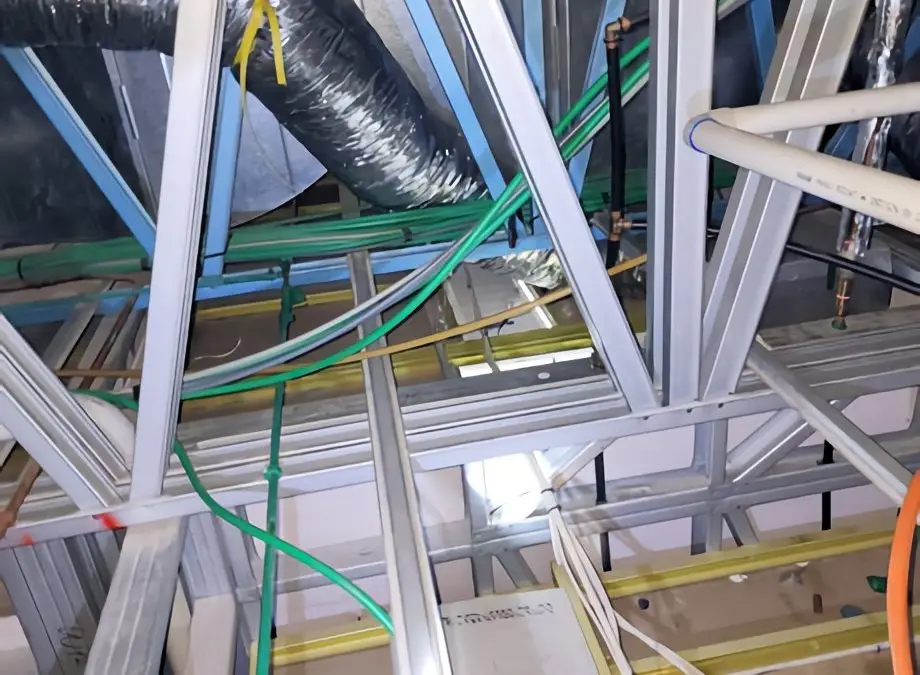
Traditionally most homes used copper pipes to circulate hot and cold water. Since the 1970’s plastic pipes have increasingly replaced traditional copper or galvanised steel pipes.
Over the last ten years, pipe-in-pipe systems have been commonly installed to circulate water in most newly constructed homes. The inner pipe for drinking water is made of a plastic called cross-linked polyethylene (PEX).
Since the advent of plastic plumbing systems, there have always been questions regarding the effects on health and do they affect the taste and odour of drinking water. International studies have shown that plastic pipes can release substances that give drinking water an unwanted taste and odour. It has also been suggested that some of these substances may be carcinogenic.
Several investigations worldwide on health issues have been conducted, and most are inconclusive or positive. The Norwegian Institute of Public Health has just released a new study on whether leaching or leakage products from these pipes harm health and if they affect the taste and odour of drinking water. The potential leakage products consist of residues of additives used during manufacture to give plastic pipes their desired properties and any subsequent breakdown products.
The Norwegian study results indicated:
- There are no health risks associated with drinking water from PEX pipes
- A few types of PEX-pipe may cause prolonged undesirable taste and odour if the water remains in pipes over time
- Although the taste and odour usually dissipate with use, water from two PEX types still had an unpleasant smell and taste after a year.
- The volatile organic compounds that leaked from new PEX pipes were generally low.
- The level was further reduced with the use.
- No correlation was found between manufacturing methods and leaking products.
This study was undertaken far more scientifically than many tests or studies in Australia. It is common in Australia for international products that have undergone extensive testing to fail AS4020 based on a highly subjective taste test from a panel of 5 – 7 people. The Norwegian study tested ten different PEX pipe types for leaching products in a standardised laboratory test. The water was in contact with the tubes for 72 hours.
Three different manufacturing methods produce pipes known as PEX-a, PEX-b or PEX-c. These methods use slightly different additives, but this study found no correlation between production methods and leakage products. Two of the most commonly occurring substances detected in the experiment’s water were 2.4-di-tert-butyl-phenol and methyl-tert-butyl ether (MTBE). For three new pipe types, MTBE was detected in higher concentrations than the US government’s recommended limits for the taste and odour of drinking water (USEPA). Still, the values were reduced to below this limit after the tubes were used for a while.
This study confirms what the plumbing technicians at Whywait Plumbing frequently observe: no matter what type of pipe, there can be a taste or odour in new piping systems or where a house has been unoccupied. The taste and odour soon disappear once the water is in use in the house and is in constant circulation.
by Gary Mays | Aug 12, 2011 | leaking showers
The Silent Peril of Leaking Showers: Know, Repair, Prevent
Leaking showers are one of those stealthy home invaders that operate undercover, leaving devastation in its wake.
Often, the damage is already done when homeowners discover them. But fret not! In this comprehensive guide, we at Whywait Plumbing will walk you through the intricacies of this issue and, more importantly, how to tackle leaking showers.
The Iceberg Effect: What You See vs. What You Don’t
Like an iceberg, what’s visible with a leaking shower is just the tip.
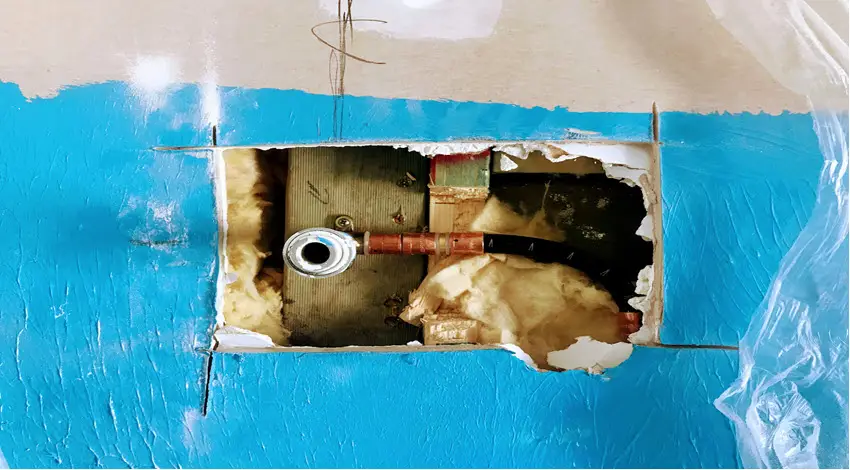
Underneath, there could be extensive damage to floor coverings, wall linings, framing timber, and tile beds.
And if that wasn’t dire enough, these leaks also provide a five-star invitation to unwanted guests: termites. Drawn to the blend of water and timber, these pests can infest your home faster than you can say ‘leaking showers’.
Insurance Woes: When Coverage Isn’t Coverage
Delving into the details of insurance policies can be like navigating a maze. Often, these leaks, seen as wear and tear, don’t get coverage.
Some policies might cover exploratory processes to identify the leak source, but the real kicker? The shower replacement, which is often the priciest part, isn’t covered.
The Detective Work: Tracking Down the Culprit
Here’s where our team at Whywait Plumbing puts on its detective hat. Identifying the source of a leaking shower isn’t straightforward.
It’s not a simple case of ‘whodunit’. Instead, it’s a systematic, sometimes trial-and-error approach involving pressure testing of various components, from water pipes to shower roses.
The Usual Suspects: Common Causes of Leaks
Based on our extensive work on the Gold Coast, we’ve identified a few repeat offenders:
- Failed Waterproofing: The most common villain is the failure of the shower tray’s waterproofing, which lies beneath the floor tiles. Its job? To stop water from invading the primary structure of your house.
- Vintage Homes: Homes from yesteryears come with their own set of challenges. For instance, houses from the ’70s and ’80s might have recessed showers, often lacking waterproofing. It’s a ticking time bomb.
- Rigid Fibreglass: Homes from the late ’80s and ’90s often used fibreglass for waterproofing. But here’s the catch – fibreglass, being too rigid, often failed to stick to concrete or timber. Cue water leaks!
- The Modern Solution: The good news? Today’s epoxy waterproofing is leagues ahead. Flexible and durable, it moves with the settling house, ensuring a waterproof seal.
Procrastination: The Real Enemy
Suspect you have a leaking shower? Don’t dilly-dally! While the temptation to delay action is strong, especially if the leak seems minor, remember: small leaks grow up to be big problems.
With the advances in repair techniques, many showers can now be fixed without removing tiles. But waiting? That only sets you up for more significant headaches in the future, including structural damages or termite infestations.
Conclusion: The Road Ahead
In the battle against leaking showers, knowledge is power. Being proactive, understanding the warning signs, and ensuring prompt repairs are your best weapons.
At Whywait Plumbing, we’re here to partner with you in this journey, ensuring your home remains leak-free and safe. Call us today, and let’s ensure your shower stays watertight!

by Gary Mays | Jul 10, 2011 | City of Gold Coast, Climate Change, Consumer Issues, Gold Coast Plumbing, Green Plumbers, Health Issues, Plumbers, Plumbers Gold Coast, Plumbing Emergencies, Whywait Plumbing
Plumbing is health as plumbing protects the whole community, and individual plumbers protect the nation’s health.
Whywait Plumbing Services has consistently promoted the importance of excellent plumbing  practices combined with sustainable plumbing exercises based on plumbing is health. Whywait Plumbing was the first GreenPlumber in Queensland and remained the only fully licensed GreenPlumber on the Gold Coast.
At the 2011 National Plumbers Regulators Forum, Dr Barry Gilbert, a Specialist in Public Health, spoke on the costs of poor plumbing, confirming that plumbing is public health. Issues highlighted by Dr Gilbert were at the heart of future plumbing practice and were:
- The complex global problems of scarce potable water, the use of recycled water, global warming and climate change, together with the influence that man has on the environment, all determine the risk to the population. In the future, plumbing will have an even more critical role in mitigating those risks as plumbing is health.
- Plumbing is a significant part of the public health solution and always has been.
- Plumbing is at risk of being a victim of its past success since the population at large does not appreciate the vital role that plumbing plays in everyday community health.
- Just as vaccination protects individuals and the community, plumbing protects the whole community, and individual plumbers protect the health of the nation.
- Plumbers are obligated to impart their knowledge and experience to the community and demonstrate the potential impact that poor plumbing will have in the future.
- Plumbing is public health, now and in the future.

Ray Herbert CEO of MPMSAA
Whywait Plumbing has always been at the forefront of sustainability so being part of GreenPlumbers was a natural choice when MPMSAA founded it in 2001. Ray Herbert, CEO of MPMSAA, worked with RMIT University to develop the training and recruited Gary Workman to run the courses.
MPMSAA, or Master Plumbers and Mechanical Services Association of Australia, is one of Australia’s oldest Associations, having been founded in 1891 when 57 Melbourne plumbing contractors paid a £5 ($10.00) entrance fee and £1 ($2.00) subscription to enable the establishment of the Associated Master Plumber of Victoria. Therefore, it was only natural that MPMSAA has taken the lead to ensure plumbers are at the forefront of water sustainability and water conservation.
Most of the plumbers at Whywait Plumbing have now completed their GreenPlumbers training of the five basic courses which are focused on plumbing is health:
- Climate Care – how to take care of our climate, including gas emissions in homes and businesses that cover hot water heating, energy consumption, heating appliances, and cooling appliances.
- Caring for Our Water – an introduction to the water cycle process and the new technologies and behaviours that contribute to conservation through topics like water-efficient products, reducing household water consumption, stormwater runoff pollution and prevention, and household water audits.
- Solar Hot Water – the latest information on new technology in the solar hot water industry, rebate information, retrofit sizing and installation.
- Water Efficient Technology – an overview of the ever-changing technologies that shape future conservation efforts through the use of Recycled Water, rainwater, Greywater, Septic Tanks/Wastewater Treatment Systems, and Environmental/Public Health/Safety Regulations.
- Inspection Report Services – overview of domestic and commercial water auditing, inspections and reporting, assessment and strategies—including water and energy audits, commercial/industrial and residential buildings, and creating a master plan for future improvements.
Whywait Plumbing is the only fully licensed GreenPlumber on the Gold Coast, as we are committed to promoting plumbing is health. As a Licensed GreenPlumber, we differ from an Accredited GreenPlumber as we have committed to requiring all licensed plumbers working for the company to become fully accredited GreenPlumbers to protect your health.
by Gary Mays | Jul 8, 2011 | Blocked drain, blocked toilet, blocked toilet drain, City of Gold Coast, DIY Plumbing, Drain Odours, Gold Coast plumbers, handyman, Health Issues, Plumbing Emergencies, Toilets
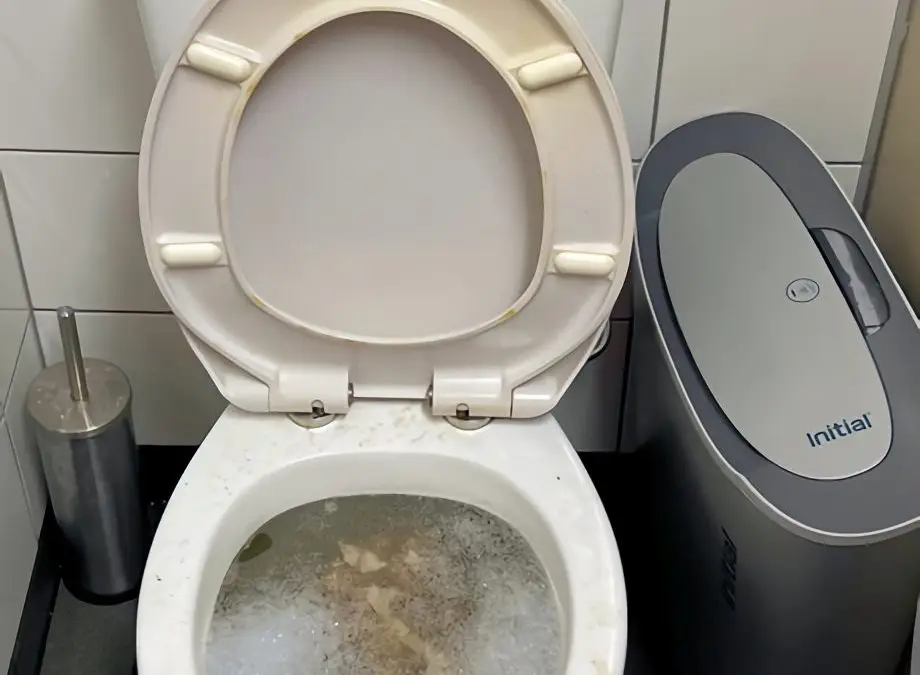
Toilet paper is blocking your drains, and we know it for a fact at Whywait Plumbing. Blocked drain incidences have been increasing every year since 2005.
Whywait Plumbing has noted the upward trend of annual increases in the number of blocked drain occurrences that require clearing with high-pressure water jetting equipment since 2005, with even sharper increases since 2008.
This has generally been attributed to the advent of low-flow dual flush toilets, especially the 4.5/3 litre toilet suites.
Your house drain that connects to the sewer was designed when water flows were much more substantial than they are now. Traditionally a toilet flush was 11 litres, and this flow was supplemented by inflows from the bathroom, kitchen and laundry. Prior to legislative changes in 2007, a shower deluged you with a flow of 25 litres per minute now that is 9 litres. Taps in the remainder of the house all had substantial flow rates of 20 – 25 litres per minute, but now that is 6 litres per minute.
Consequently, it made sense that the 70% reduction in water flows was the cause of this rapid increase in blocked drains. Naturally, this made complete sense in homes and business premises that were new or had upgraded their taps and toilets. But why were we seeing an increase where no such upgrades had occurred? Over the last year, Whywait Plumbing Services, like many other plumbing companies, began noticing, when undertaking a CCTV survey of a drain, large clumps of toilet paper that had not broken down in the water.
This issue with toilet paper has now reached a point where the National Plumbing Regulators have had a NATA laboratory undertaking research on the varying degrees of toilet paper quality and its influence on flow performance down a drain. Results to date are concerning as over 20 commercially available toilet paper brands were evaluated in full performance testing. There were an excessive number of these toilet papers whose performance in the poor break down in water can potentially cause more blockages than others.
It’s interesting to note that none of the toilet paper culprits that have an increased potential to cause blockages is locally manufactured. Its even more interesting that the Federal Government has a committee investigating the dumping of commodities by China into Australia and one of these commodities is toilet paper. It is doubtful whether Coles and Woolworths are too concerned about what happens to this cheap toilet they import once it passes through their checkouts. Who knows what these toilet papers are really manufactured from?
These cheap toilet papers dominate in commercial buildings where contract cleaning companies install the cheapest toilet paper they can purchase. This has resulted in alarming increases in blockages in commercial buildings.
So next time when you pick up that packet of toilet paper that is on special in the supermarket just have a look to see where it is manufactured or you may unknowingly be purchasing a blocked drain at the same time.


