
by Gary Mays | Oct 8, 2014 | Blog, Gas System
Gas compliance plate must be installed for all properties verifying the work on all gas is safe & legally compliant.
Not all plumbers are gasfitters with many people thinking that regular plumbers can work on gas appliances and troubleshoot any problems that they are having with their gas system.
To the casual observer it appears that gas and water seem to flow through the same type of pipe systems but the reality is that the way in which they work is totally different.
Gas systems both natural gas and LPG are a lot more dangerous and the slightest mistake can create a gas leak leading to a potential explosion or a fire. For this reason alone if you are having a problem with your gas pipes or appliances you must use a plumbing company that is a licensed contractor to work on gas and employs licensed gasfitters.
You should be aware of the following when undertaking service or installation work on your gas system:
- The company must be licensed: In Queensland all companies or individuals undertaking gas work are required to have a contractors licence from Queensland Building and Construction Commission, (QBCC) plus every person working on gas must have a a gas work licence issued by the Chief Gas Examiner from the Department of Natural Resources and Mines. Without these licenses they cannot legally touch your gas appliances or piping system.
- Ensure you get all legal certification: A gasfitter doing any servicing or installation work on any part of gas system must affix a “Gas System Compliance Plate” as illustrated above on all new installations. The gasfitter is also legally obliged to give you a “Gas System Compliance Certificate” immediately after the installation is complete which you must keep as it is a legal document indicating the work is legally compliant.
Legally your obligations if you use gas in your home or business are that you must take all reasonable steps to ensure that your gas system complies with safety requirements. This is complied with simply by:
- regularly having gas appliances serviced
- ensure all gas servicing and installation is carried out by a licensed gasfitter
- ensuring you have compliance plates affixed and you retain copies of all gas certificates on site
Ultimately you as the property owner will be liable for the cost of rectification of non-compliant gas installations if the gasfitter who undertook the work cannot be identified plus it potentially makes your insurance coverage null and void.
By Gary Mays

by Gary Mays | Sep 20, 2014 | Blog, DIY Plumbing
DIY plumbing is not an option, nor is DIY electrical, but some people still believe the law does not apply to them. Frequently the reason to attempt DIY is that some people want to avoid hiring a professional plumber due to the cost of plumbing services.

At Whywait Plumbing we understand a perceived simple plumbing job might cost many people more than what they can afford which is why we custom price every job up front so you always know in advance the answer to your question, “how much is this going to cost?”
Always when we are repairing the work after people have tried the DIY approach to plumbing repairs themselves they pinpoint cost them as the main reason. The reality is though that the mistakes they make undertaking DIY plumbing frequently creates a much bigger problem which incurs more expenses and stress.
Apart from the fact that DIY plumbing is illegal there are a few other reasons why you should not try DIY plumbing:
- Warranty & Insurance – this is one of the most critical issues as DIY plumbing will leave you without the security of a manufacturers warranty on any product or fixture not installed by a licensed plumber. Even worse if a tap for example blows apart and floods your home the likelihood is your insurance policy will not cover the damage if the tap was not installed by a licensed plumber.
- Safety – plumbing involves dealing with a number of hazards especially in drains that can create health issues for your family if not undertaken legally and compliantly. Misuse of specialised plumbing tools and equipment can result in you sustaining minor or even major injuries. Safety is always a concern if you attempt DIY plumbing when you do not have the proper knowledge or training. It always looks easy when you watch a professional with the correct equipment do the job.
- Value for Money – DIY plumbing is more costly in the long term because the jobs invariably are never repaired correctly and continue to give problems repeatedly. Getting a licensed plumber to do the job right the first time is always the cheapest option in the end.
There is no better plumbing, drainage or gas repair than that undertaken by a licensed, professional plumbing company where the plumbers are experienced, trained, insured and knowledgeable.

by Gary Mays | Aug 29, 2014 | Gold Coast Plumbing, Insurance, Leaking Pipes, Plumber Brisbane, Plumbers, Plumbers Gold Coast, Plumbing Emergencies, Water Leaks
Negligence causes plumbing emergencies as a fact I am becoming acutely aware of with over half of the plumbing emergencies we attend having been caused due to a plumbers negligence in the initial installation.
A large part of this negligence is driven by plumbing work being undertaken to a cost and not to the legislative requirements or standards that plumbers are legally obliged to comply with.
As I constantly have to remind clients who are victims of this negligence in near new or recently renovated buildings – everyone who worked on your home did so because they were the cheapest not because they were the best qualified and skilled to undertake the work. Sadly that is the reality in the construction industry.
The most common plumbing emergencies we see that are in most cases attributable to deliberate negligence by the plumber who did the initial work are:
- leaking water-mains laid in rock and backfilled with rock with no compliant bedding or backfill material
- broken house sewer drains once again laid in rock and backfilled with rock
- mixer taps installed without isolation valves
Negligence by a plumber in installing the examples above are just the tip of the iceberg that we see daily but all cause a great deal of damage and are frequently expensive to repair.
The pressure by builders on plumbers to reduce prices and take “shortcuts” increases daily but is not an excuse to ignore undertaking the work in as set out in AS3500 and called into law through the Plumbing and Drainage Act 2002.
Under common law, the term “negligence” generally describes damage causing conduct that arises because of the defendant’s carelessness or failure to take reasonable care.
As an example, a plumber who installs a plastic polypipe water main straight onto the rocky ground and then backfills it with the same spoil he dug out has breached his duty of care. As a professional licensed plumber, he is fully aware that the job is not in accordance with clause 5.12 of AS3500 Part 1 for Water Services which states:
The water services shall be surrounded with not less than 75mm of compacted sand, or fine-grained soil, with no hard edged object permitted to come into contact with or resting against any pipe or fitting.
Material used for final backfill shall be free from rock, hard matter or organic material and be broken up to contain no soil larger than 75mm.
As you can see the wording and diagram in Australian Standards are quite specific on how your water main should be installed. They are specific requirements under law not options the plumber can choose to obey.
Very simply if your water main is not installed as above the licensed plumber installing it has done so knowing it is noncompliant and that it is reasonably foreseeable that failure and damage will occur.
In conclusion, I reiterate that most plumbing emergencies are caused by negligence and we are prepared to assist you if you have the willpower to legally seek compensation. It’s your choice but the industry will only be cleaned up when plumbers who continually break the law are hit in their hip pocket.

by Gary Mays | Aug 25, 2014 | Blog, City of Gold Coast, Consumer Issues, DIY Plumbing, Gold Coast Plumbing, Health Issues, Hot Water Temperature, Insurance, Plumbers, Plumbers Gold Coast, Plumbing Legislation, Plumbing Maintenance, Whywait Plumbing
It is normally the routine of a knock on the door by a friendly “salesman” stating they were in your neighbourhood doing some work and that a neighbour had suggested they do the same “free check” on your hot water service.
This unsolicited pitch or a variation of it is a signature of rip-offs who prey on gullible homeowners, especially the elderly. They commonly show a great deal of empathy and concern and are only doing the “free check” of your hot water service as your neighbour had already had theirs repaired and were concerned for you.
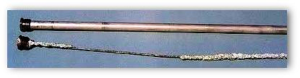 In the photo on the left the anode on the left was replaced by Whywait Plumbing with the one on the right with the differences between old and new perfectly illustrated.
Take it from me knocking on your door and cold-calling is not a professional or viable way to market or operate a plumbing business. And yes to work on your hot water service you must be a licensed plumber. In all likelihood the person knocking on your door is not a licensed plumber or a licensed plumbing contractor and in our experience they are ordinary old con artists who have no experience or knowledge in servicing a hot water service.
Yes your sacrificial anode on your hot water service should be checked at least every 5 years. But if it has never been checked and your hot water service is over 7 years old you are wasting your time replacing it as the damage has already been done to your steel storage tank.

by Gary Mays | Aug 13, 2014 | Consumer Issues, DIY Plumbing, Gold Coast Plumbing, Health Issues, Insurance, Leaking Pipes, Plumber Brisbane, Plumbers, Plumbers Gold Coast, Plumbing Emergencies, Plumbing Legislation, Plumbing Maintenance, Plumbing Renovation, Queensland Government, Sustainable Plumbing, Toilets, Water, Whywait Plumbing
Not Compliant? It’ll Be Expensive!
Plumbing Costs for Correct and Compliant Work
Plumbing is expensive if not done correctly and compliantly. Quality plumbing is not a luxury but is a legal requirement under the Plumbing and Drainage Act 2002.
Cheap, illegal plumbing repaired by Whywait Plumbing after sewer odours were escaping inside an office because there was a 35mm gap allowing the odours to escape where a 65mm pipe had been pushed inside a 100mm pipe
Not everyone can afford a Lexus GS450h at $130497 or a BMW 7 Series 760Li 4 door Sedan at $141,200, but everyone can afford and should ensure they use a quality plumbing company. So if price is your only consideration, PLEASE phone another plumber as there are plenty of “cheap”, “competitively priced”, “discount”, “budget priced” plumbers out there who will do your work to a price but for your own sake please make sure they are:
- licensed plumbers by the Plumbing Industry Council
- licensed plumbing contractors with Queensland Building and Construction Commission
- insured for your protection with at least $10 million of Public Liability
However if you have come to the conclusion that your home is your biggest investment and you want to maintain your home to peak value then please phone Whywait Plumbing provided you want the work undertaken legally and compliantly with Australian WaterMark approved materials and highly skilled licensed plumbers who guarantee their work.
Please don’t phone us and ask for free quotes or free advice over the phone as no professional plumber can give you a price over the phone without an on-site diagnosis. Believe me, every plumbing installation is a one-off no matter how similar they appear.
Just remember if you use the cheap meeting the standard market price plumber ask to visually to see their plumbing license and their contractor’s license as they are required to carry them with them by law. In the end, these licenses are put in place by the Queensland Government for your protection, not for the plumber’s protection.
If you want cheap plumbing or free plumbing estimates or discount to meet the market pricing please do both of us a favour and save each others time by calling someone else.
By Gary Mays