Whywait Plumbing Services Logo

OFFICE HOURS

Mon to Fri 7.30am – 4pm
24-Hour EMERGENCY SERVICE

CALL 7 DAYS FOR SERVICE!

YOUR TRUSTED GOLD COAST PLUMBERS & GAS FITTERS

OFFICE HOURS
Mon – Sun 7.30am – 4pm
24 Hr Emergency Service

Preventing mould growth is the best way to protect your health and your home

Preventing mould growth is the best way to protect your health and your home

Do you have mould around your tiles?

Do you have mould around the tiles or walls in your bathroom or kitchen? If you do, you are not alone, as it is a common problem, particularly in bathrooms and South East Queensland kitchens due to our sub-tropical climate. Like most problems, prevention is vital and preventing mould is often very simple.

Mould is a type of fungus that can grow on a variety of surfaces, including walls, ceilings, and floors. It is commonly found in damp or humid environments, such as bathrooms and kitchens. Mould can cause a variety of health problems, including allergies, respiratory issues, and infections.
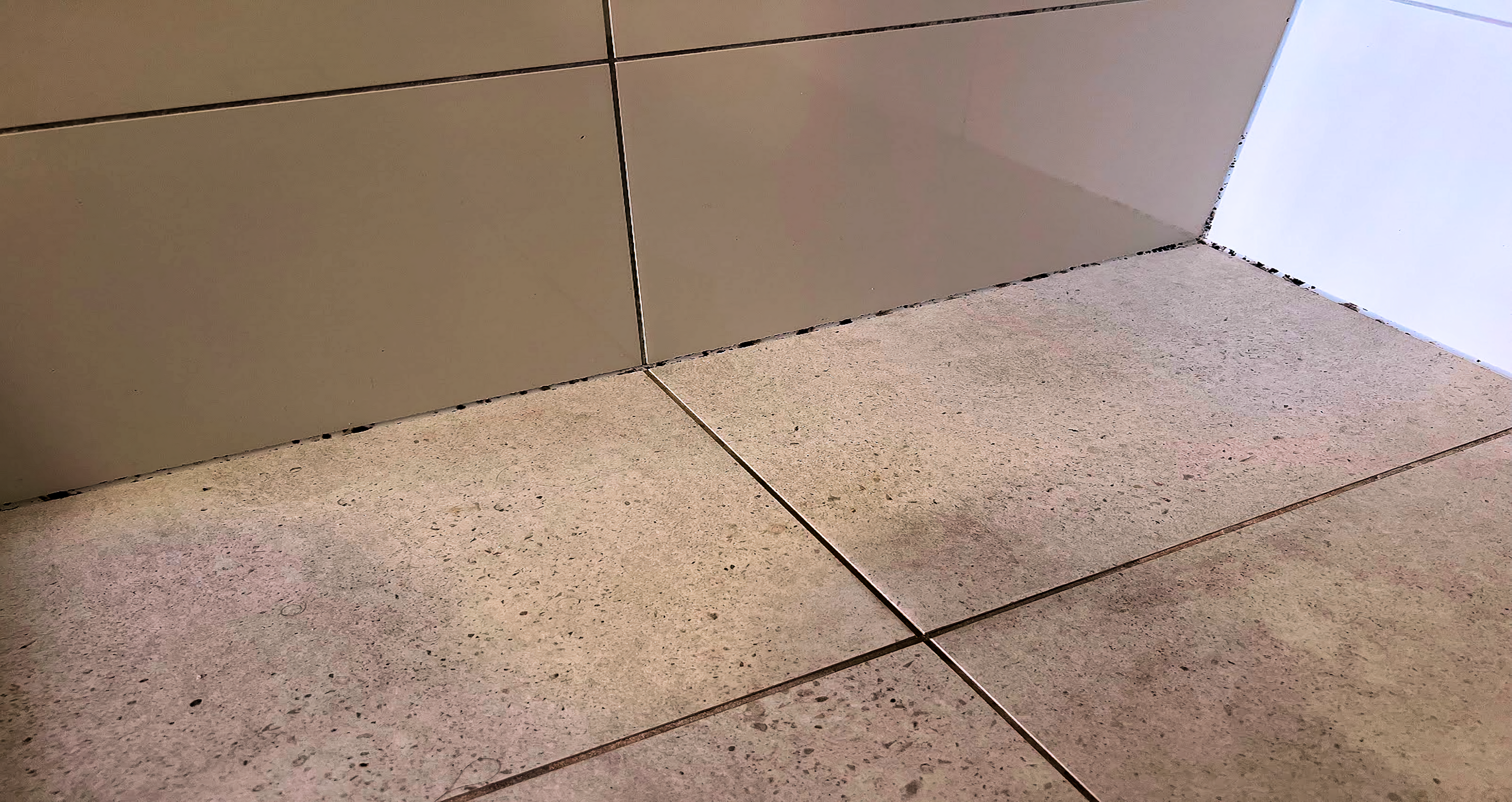
shower mould

Mould loves wet areas

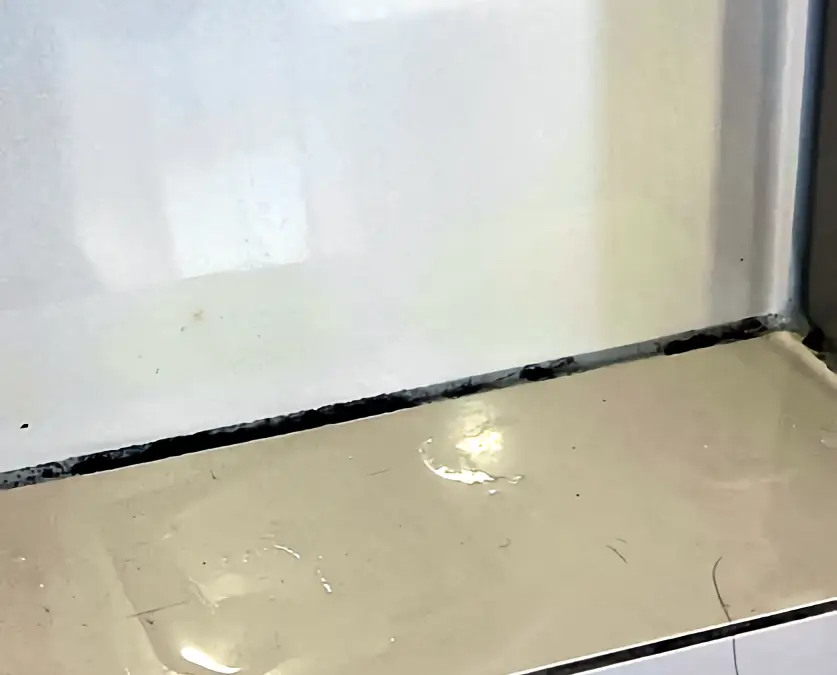
Because your bathroom and especially the shower area are the wettest areas in your home, it is not uncommon to see mould growing in the grouting and silicon sealants. Mould loves the perfect atmosphere of your bathroom as it creates the ideal conditions for mould growth in the cracks and gaps in the tiling. Consequently, mould grows behind and through the grout joints on the tiles. As seen in the photo above, mould loves getting in behind the silicon seal on the internal corners, whether on the wall or the floor.

The most common area to find mould is in your shower, where it is nourished by your body oils, shampoo and soap residue left behind every time the shower is used.

Poor air circulation actively assists mould growth as the warmth and moisture created in the enclosed area of a shower offer ideal conditions for mould growth in the dark places of the shower around the internal corners and the shower floor drain. Poor air circulation is quickly resolved by installing a good-quality bathroom extraction fan above the shower that turns on automatically to remove all of the steam and water particles while you are using the shower, actively preventing mould growth.

What do you do if you suspect that you have mould in your bathroom or kitchen?

If you suspect that you have mould in your bathroom or kitchen, it’s essential to take action to address the problem. Here are a few steps you can take to identify, remove and preventing mould:

  1. Look for signs of mould: Mould can appear as black, brown, or green spots on surfaces. It may also have a musty or unpleasant smell.
  2. Identify the source of the moisture: Mould needs moisture to grow, so it’s essential to determine the source of the moisture in your bathroom or kitchen. This could be a leaky pipe, a humid environment, or poor ventilation.
  3. Repair the source of the moisture: Once you have identified the source of the moisture, it’s essential to fix the problem to prevent further mould growth. This may involve repairing a leaky pipe, installing a dehumidifier, or improving ventilation.
  4. Clean and disinfect the affected area: Be sure to wear protective gear, such as gloves and a mask, to avoid inhaling mould spores.
  5. Dry the area thoroughly: After cleaning the mould, it’s essential to dry the area thoroughly to prevent new mould growth. Use a fan or dehumidifier to speed up the drying process.

Whywait recommends using enzymes on mould

If you are suffering from mould growth in your bathroom and kitchen, then Whywait Plumbing recommends removing it before permanent stains are created. To not only prevent but also treat mould, we use what nature uses, which is enzymes rather than corrosive chemicals. Enzymes are a natural part of our world and play an essential role in everyday life. They are found in every living organism, and without enzymes, life is impossible. Enzymes are catalysts – not living organisms.

The success Whywait Plumbing has enjoyed with utilising our enzyme products is incredible, with every problem we have used exceeding our expectations and our client’s expectations. Enzyme products are a guaranteed supply of plant-based enzymes and enzyme products that, by their very nature, eliminate odours and organic matter, from blood stains to cleaning carpets and countertops, removing wallpaper, and even being used as a high-quality cleaner/degreaser.

For preventing mould and treating bathroom mould in the bathroom or the kitchen, we utilise a kitchen and bathroom mould and mildew spray, which is a spray and wipe product that is suitable for all surfaces in a bathroom or kitchen, whether they are Formica or stone bench tops, tiles, glass, timber or stainless steel as it will not only attack existing mould but prevent mould developing.

If you have surface mould in areas such as tiles grout, we spray the affected area whilst cleaning the area with a stiff brush. Once we have finished brushing the site, we leave it for 5 minutes, then rinse it with clean water. If you have heavy mould infiltration, applying a couple of extra times may be necessary to eradicate the mould.

Frequently we will find mould behind the silicon sealant on the internal corners in tile areas which will require more thorough work. First, we will need to use a utility knife such as a Stanley knife to scrape off all of the silicon and ensure you use a blade to scrape the remnants of silicon clear off the tiles. Once all of the silicon has been removed, we spray the mould as above until it has all disappeared. Once the mould has gone, we clean the area and dry it thoroughly with a hot air dryer to ensure no moisture is trapped in the open joint. Finally, we will need to apply a good quality mould-resistant silicon to the joint, specifically designed for high moisture areas.

Preventing mould growth reoccurring

Once we have removed the kitchen or bathroom mould, you need to ensure that you remove the chemical cleaners and bleaches from your cleaning regime and use our enzyme products in your bathroom and kitchen to prevent mould from reoccurring and ensure you have a positive prevention program in place in your home that contains no harmful phosphates or caustic chemicals.

Suppose the mould problem is extensive or we cannot locate the moisture source. In that case, it may be necessary to undertake a more thorough investigation, especially if you observe mould reappearing after a few days of our initial removal. In that case, you may have problems with leaking pipes or fittings that require a thorough investigation by us to ensure you are not damaging internal frames and wall linings. If you have leaking pipes or fittings behind the wall, then the mould is only a symptom of a bigger problem; ignoring it will not make it disappear.

Preventing mould growth in the first place is the best way to protect your health and your home. Be sure to regularly check for signs of mould and address any moisture issues promptly. 

If you have any doubts about mould, contact Whywait Plumbing for advice on dealing with mould in your bathroom and kitchen.
Can I install a bidet seat or douche hand spray to my toilet?

Can I install a bidet seat or douche hand spray to my toilet?

DIY Bidet Seat and Douche Hand Spray Installations Are Illegal and Non-Compliant

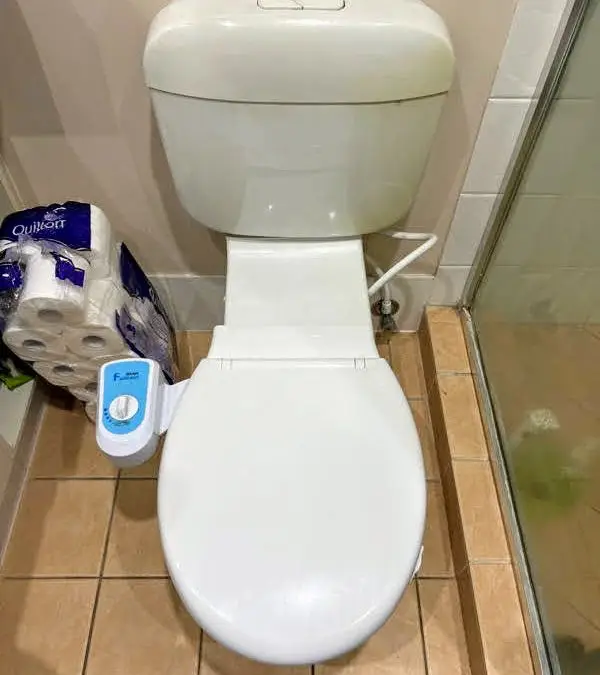
Since the Covid-19 pandemic and the infamous toilet paper shortages, we are getting asked about installing bidet seats or douche hand sprayers. Many of these enquiries eventuate from sponsored posts on Facebook promoting the DIY installation of bidet seats. The photo above perfectly illustrates a DIY bidet seat installation we recently encountered in a client’s home.

We commonly come across these DIY bidet installations in clients’ homes. Unfortunately, we are then placed in the invidious position of informing them that this is an illegal installation that requires disconnecting as it has no WaterMark approval and is not compliant, as required by the Plumbing and Drainage Act 2018.

Unfortunately, we are only the messenger, but immediately, too many people believe we are wrong. This occurs as the online company they purchased the bidet seat from told them they could install it themselves.

Illegal DIY Installations Can Effect Your Home Insurance Cover

Imagine how we feel when explaining to a disgruntled client that their DIY bidet installation is not legally compliant. Then explain that if it fails and floods their home causing tens of thousands of dollars of damage, their insurance company will null and void insurance protection.

Despite what Facebook posts say, very few legal DIY plumbing installations exist. Your insurance policy requires a licenced plumber to undertake all plumbing work with all plumbing fixtures installed with the necessary WaterMark approval.

Avoid Online Retailers, and Only a Licensed Plumber Can Install a Bidet Seat or Douche Hand Spray

Bidets, bidet seats and douche hand spray bidets are popular with the elderly and people with disabilities. Correctly installed, they afford their users self-care toileting which aids their independence, plus they are much more hygienic than toilet paper.

If you are looking into bidet seats or a douche hand spray, only purchase them from reputable Australian suppliers. Avoid online retailers with no prominent Australian location and not displaying a WaterMark approval.

No matter what, you must use a licensed plumber to install the bidet seat or douche hand spray to ensure there is no risk of backflow. A backflow situation can risk your family and neighbours consuming sewerage-contaminated drinking water.

A legally compliant installation by a licensed plumber required lodgement of Form 9 with the local council and lodgement and payment of fees for Form 4 with the Queensland Government QBCC. You should always get a copy of both forms to prove to your insurer that it is a compliant installation.

Legally Installed Bidet Seat or Douche Hand Spray Offer Benefits in Terms of Hygiene and Independence for the Elderly and People With Disabilities

Remember, if you install a bidet seat or a douche hand spray, you need to do the following:

  • Purchase a WaterMark-approved product
  • Only use a licensed plumber to install your bidet products
  • All installations require high-hazard backflow prevention

Compliance with these requirements will ensure the safety and well-being of your family, protect your home from potential risks, and maintain insurance coverage.

A bidet seat should not be confused with a bidet. A proper bidet must go through an entire approval process by council plumbing inspectors.

Like everything in life, you only get what you pay for, so we recommend you stay away from online retailers, especially on Facebook.

The adage applies when finding cheap DIY bidet seats or douche hand spray hoses. If something sounds too good to be true, it probably is.

bidet seat
Commendation of Exceptional Service from Whywait Plumbing

Commendation of Exceptional Service from Whywait Plumbing

Whywait Plumbing Receives High Praise for Exceptional Service

Below is an email I received from a client yesterday, which got me thinking once again about how critical we are as plumbers. Yes, electricians are sparkies. They’ve got a cute nickname. And carpenters are chippies, which is also cute. But us plumbers, we are they just called, well, plumbers? Could it be something to do with respect for plumbers stemming from our profession’s long history?

Take a look at the history books. You’ll find plumbum – that’s lead to you and me – being fashioned into pipes by the early Romans. Those pipes, courtesy of your everyday plumber, carried the lifeblood of Rome: clean water in, dirty water out. No plumber, no pipes. No pipes, no Rome. And without Rome, you and I’d be chattering in a different tongue and dancing to the beat of a different legal drum.

Our world today? Brought to you by plumbers with clean water in and dirty water out, still.

On the face of it, plumbing doesn’t look like a walk in the park, does it? Plumbers spend their days on their knees, elbow-deep in what is often a mystery. Plumbers are under sinks wrestling with rot and rats or shoulder-deep in drains tackling who knows what. And if they’re not there, they’re in your ceiling space, bent like a pretzel in the swelter, tools in hand, while the homeowners beneath send desperate prayers.

And yet, who do people dial when disaster strikes? Not the sparky. Not the chippy. It’s the plumber who’s the knight in shining fluro shirts. We’re the ones which stem the flood, who avert the ruin, the guardians of your water pipes and drains, the heroes of your home. We’re your round-the-clock rescuers, knights of the drip and Lancelots of the leak.

I’ve discovered that plumbers are more than just repairmen; you are everyday heroes…

Subject: Commendation of Exceptional Service from Whywait Plumbing

Dear Mr Mays,

I trust this message finds you well. I am writing this email to share my utmost satisfaction and appreciation for the excellent plumbing service I recently received from you and your team.

Before my interaction with you, I was, admittedly, one of those who underappreciated a skilled plumber’s invaluable role in maintaining life’s fundamental necessities. The day my home’s plumbing system suffered a significant malfunction with our sewer drain was a harsh wake-up call. This incident brought to light that the harmony of a home could be disrupted by a plumbing failure, affecting everything from morning rituals to essential domestic routines.

Then came Whywait Plumbing, embodying the knight in shining armour – armed not with a sword but an array of exciting plumbing tools, pipes, and an unparalleled understanding of the intricate plumbing networks. You arrived promptly after my distress call, ready to tackle the issues at hand, a testament to your swift response time.

Your team displayed a unique blend of skill, professionalism, and an intuitive understanding of my home’s plumbing infrastructure. The way your team identified and resolved the problem was almost poetic. It was like watching a maestro conducting a symphony, an artist creating a masterpiece, or a coder decoding complex algorithms. There was a beauty to the simplicity with which you made sense of the chaos and brought harmony back into my home.

Not only was the issue resolved efficiently, but you also took the time to explain the situation and preventative measures to avoid future issues. This commitment to customer education is something I greatly appreciate and is not something that every service provider offers. Your respect for my time, understanding of my concern, and dedication to ensuring a solution that was both quick and lasting is something worth acknowledging.

The experience made me reconsider my previous misconceptions about plumbers and their work. I’ve come to recognise your vital role in our society, upkeeping the comfort and functionality of our homes. I’ve discovered that plumbers are more than just repairmen; you are everyday heroes, quietly ensuring our lives go unhampered.

In conclusion, I want to express my deep gratitude to the entire Whywait Plumbing team. I am beyond satisfied with the service I received. The professionalism, knowledge, and human touch your team brought to the task were simply outstanding. You’ve earned a customer for life, and I wouldn’t hesitate to recommend Whywait Plumbing to anyone needing top-tier plumbing services.

Best Regards,

Tiffany Zang

Choose Whywait and Consider It Done

Upon receiving the email, I immediately contacted Tiffany to extend my gratitude. As we conversed, she shared her previous experiences with service providers on the Gold Coast, echoing the issues I’ve observed throughout many years in the industry. However, as I explained to her, it’s not my place to comment on other businesses. Each one operates distinctively, driven by its unique blend of training, equipment, experience, ethics, and cost structures.

Humbled by her praise, I asked Tiffany’s permission to share her words publicly. She gladly consented, her gratitude palpable for everything our dedicated team at Whywait accomplished to rectify her blocked drains.

In closing, I think Tiffany’s words encapsulate our mission perfectly: “I wouldn’t hesitate to recommend Whywait Plumbing to anyone needing top-tier plumbing services.” This is a testament to the dedication, expertise, and commitment to customer satisfaction that we strive to uphold in every task we undertake. As we’ve said for many years, choose Whywait and consider it done.

Detecting COVID-19 in Your Wastewater Drain

Detecting COVID-19 in Your Wastewater Drain

Your wastewater is one of the key sources used to identify the presence of the COVID-19 virus in your local community because plumbing is public health

COVID-19 has been a wake-up call for every level of government in Australia. The pandemic has reiterated that plumbing is all about public health. With vaccination rates being hailed as our pathway back to the new normality, we need politicians and bureaucrats to embrace that plumbing protects the entire community and individually plumbers preserve the nation’s health.

A pivotal component in managing COVID-19 is establishing where transmission of the virus occurs. Since the beginning of the pandemic in early 2020, the identification of exposure sites by health authorities and the requirement for people who were at the same areas during the same time to monitor for symptoms or get tested themselves have been a ceaseless part of the public health response.

Wastewater testing has been crucial for health departments to identify where COVID-19 may be present in the community to help to stop the spread.

Wastewater or the used water from toilets, sinks, showers, baths, basins and dishwashers are analysed and tested for fragments of SARS-CoV-2, the virus that causes COVID-19.

Fragments of the virus potentially enter the wastewater system through people who have or have recently had COVID-19. People shed the virus fragments through toilet paper, used tissues, off their hands and skin or in faeces. This shedding can continue for weeks after a person is infectious.

“The COVID-19 virus, SARS-Cov-2, can enter wastewater infrastructure through any of those means. However, it is likely to enter wastewater principally from faecal and respiratory shedding. Shed virus is then detected by analysing the wastewater using analytical methods that are specific for SARS-CoV-2,” says Dr Nick Crosbie, Recycled Water and IWM Research Manager at Melbourne Water.

“Wastewater monitoring is equivalent to obtaining and analysing a large community-based composite sample of faeces, saliva, vomit, sputum, urine, shed skin and other material shed during personal cleansing, washing, bathing, and excreting.”

Throughout Australia, wastewater samples are taken from wastewater treatment plants, regional wastewater treatment plants and multiple locations throughout any metropolitan sewerage system.

Dr Crosbie describes surveillance as dynamic, adjusting it to meet changing needs such as surge testing during outbreaks.

“Samples are obtained by ‘grab sampling’, auto-sampling, and by the deployment of so-called ‘passive samplers’ which accumulate the SARS-CoV-2 virus in the period of their deployment. Between a few 100 to more than 1,000 samples are collected and processed in a seven-day period. The samples are analysed of the passive samplers with presumptive detections confirmed by third-party analysis.”

Wastewater testing has come to public prominence during the pandemic, although it has been regularly undertaken worldwide to monitor poliovirus, norovirus and adenovirus for close to twenty years.

Dr Crosbie says the public identification of locations in which viral fragments are identified in wastewater – announced by the Department of Health regularly, including sending text messages to people in affected postcodes – allows health authorities to target their responses.

“Information can be used by health departments to focus their investigations further and to encourage an increase in local clinical testing rates,” he says.

The role of plumbers in effective wastewater testing is critical. The provision of safe and effective plumbing and sanitation illustrates how plumbers contribute to strengthening public health. Master Plumbers CEO Peter Daly is unequivocal in stating that “Plumbers play a vital role in developing, maintaining and promoting public health among the community. Plumbers prevent against disease and illness stemming from poor plumbing and sanitation and against the dangers of unsafe gas appliances, some of which can be deadly. Our day to day work in plumbing and sanitation also supports the overall wastewater testing process to play a big role in the COVID-19 response.”

Dr Crosbie agrees, “the COVID-19 wastewater surveillance program is a huge team effort between people working in the plumbing industry, water industry, and the laboratory and health sectors,” he says.

Dr Crosbie understands that plumbing is public health, “More generally, the safe operation of our water and wastewater infrastructure ensures that the community do not suffer from significant health effects from water and wastewater-borne diseases.”

The World Health Organisation and leading doctors state that the world’s most significant medical milestone since 1840 was sanitation. Despite the tremendous medical breakthroughs and scientific advances, the seemingly mundane advance of reliable sewage and reliable, clean water supply is the most significant medical advance over the last 200 years.

Is bacteria & mould in your showerhead making you sick?

Is bacteria & mould in your showerhead making you sick?

The wet and warm environment of your showerhead is a prime real estate for germs, bacteria & mould

Cleaning your showerhead is a crucial household chore. Bacteria in your showerhead is a reality. Your showerhead is prime real estate for sediment build-up from fine particles in the water, bacteria and mould.

You no doubt think that stepping into your shower will wash away dirt and germs in the showerhead. However, studies from the University of Colorado, NYU Langone Medical Center and Manchester University have concluded that bacteria thrive inside and outside showerheads. Furthermore, they have found showerheads have the potential to harbour more bacteria than your toilet.

 We live surrounded by bacteria, some being beneficial, some being harmless, and a few are potentially lethal. These potentially lethal bacteria in a showerhead may cause lung infections, yet few of us consider the implications of bacteria in your showerhead.

Mycobacteria are found in abundance in showerheads

All the studies concluded that bacteria in your showerhead is real. These bacteria can cause illness and they live in our showerheads. Therefore, it’s important to understand how people can be exposed to them.

The most likely cause of lung infection that you can get from a showerhead is mycobacteria.

Mycobacteria is a bacteria distantly related to bacteria that cause tuberculosis and leprosy. It is part of rapidly growing mycobacteria and is typically found in water, soil, and dust.

Dr Marc Siegel, a professor of medicine at NYU Langone Medical Center in New York City, confirmed that bacteria grow in moist wet places like showerheads. “This is a reminder to clean your showerhead, which nobody does,” he said, though “most of us are likely to tolerate mycobacteria and not get sick from it.”

Bacteria in showerheads won’t cause an outbreak of lung infections. However, Dr Siegal suggested people who are run down or who have a compromised immune system or a chronic condition may be vulnerable. Dr Siegal said bacteria also live on your toothbrush and in your basin, and on any moist surface to put it in perspective,

Dr Siegel recommends cleaning your showerhead every week or two with a disinfectant that contains ammonia to be sure you kill all the germs nesting there. “Add your showerhead to the list of things in the bathroom that need cleaning,” he said.

What is mycobacteria bacteria in your showerhead?

As Dr Siegal pointed out, you are unlikely to get sick with mycobacteria. Infections with atypical mycobacteria in Australia occur at a rate of 1.8 cases per 100,000 population.

In Queensland, all cases of mycobacterial infection are notifiable under the Queensland Public Health Act.

The Australian Government Department of Health undertook the last national survey on mycobacteria in 2000. The main sites of infection are identified in the respiratory tract, soft tissue, pulmonary and lymphatics. 

To read the mycobacteria survey for consumers, click here.


Bacteria that could be found in your showerhead

Manchester University has conducted studies into the condition of the inside of showerheads. There were multiple bacteria and fungi found in the showerheads that they tested which were:

The solution is to clean your showerhead regularly

As Dr Siegal recommended, you should regularly clean your showerhead, which doesn’t mean just the parts you can see. While infection rates are low, it makes sense to keep your showerhead clean – particularly if you have recently been ill, or are run down or are more prone to infection due to a compromised immune system.

Cleaning your showerhead means removing it from its arm or hose and then dismantling it to clean both inside and out to remove any scale, debris or bacteria that potentially is lurking unseen inside the showerhead itself.

Few of us have ever contemplated the simple act of jumping into the shower in the morning to wake you up or to leave you feeling relaxed and fresh last thing at night before getting into bed is potentially a health risk.

Should you replace your showerhead regularly?

According to some “experts”, Bacteria in your showerhead is so much of a risk you should replace your showerhead every six months.

This is pointless as good quality showerheads that are cleaned and maintained will last ten years plus. Imagine the cost of having new showerheads installed every six months, especially if you have three bathrooms, all with showers.

The range of modern showerheads available is extensive with most of the quality brands from manufacturers coming with full 2-5 year warranties.

In South-East Queensland, we don’t have hard water that destroys plumbing fixtures. This means cleaning your showerhead regularly is all that is required.

How to Safely Clean Your Showerhead

Bacteria in your showerhead is controllable by cleaning a showerhead properly. Despite the urban myths you hear, bleach will not clean your showerhead.

The reality is, as the research clearly indicates that keeping your showerhead clean could mean the difference between good health and bad health, so reduce the potential risk and keep your showerhead clean with this simple method.

Contrary to popular belief, bleach is not the most effective cleaner for showerheads. Here’s a simple and effective method to keep your showerhead clean and reduce health risks:

  1. Disassemble and Soak: Remove the showerhead from its arm or hose and dismantle it. Soak the parts in a vinegar solution to break down scale and debris.
  2. Scrub and Rinse: Use a soft brush to scrub the components thoroughly after soaking. Rinse with warm water.
  3. Reassemble and Test: Once everything is clean, reassemble your showerhead and run water through it to clear any residual cleaning solution.

Dr Marc Siegel, a professor of medicine, recommends cleaning your showerhead every one to two weeks, especially using disinfectants that contain ammonia to ensure all germs are eradicated.

Bacteria in Your Showerhead is A Controllable Risk Easily Managed

Understanding the potential risks associated with unclean showerheads and taking proactive steps to mitigate these risks can help ensure that your daily shower is as healthy and refreshing as intended. Keep your shower clean and enjoy the peace of mind that comes with knowing you’re taking care of your health and safety.

Gold Coast mould prevention
CALL NOW
CALL NOW