Whywait Plumbing Services Logo

OFFICE HOURS

Mon to Fri 7.30am – 4pm
24-Hour EMERGENCY SERVICE

CALL 7 DAYS FOR SERVICE!

YOUR TRUSTED GOLD COAST PLUMBERS & GAS FITTERS

OFFICE HOURS
Mon – Sun 7.30am – 4pm
24 Hr Emergency Service

The Secret Life of Tampons: Why You Should Never Flush Them Down the Toilet

The Secret Life of Tampons: Why You Should Never Flush Them Down the Toilet

Tampons and Toilets Don’t Mix: Avoid Flushing Tampons it Can Be a Costly Mistake

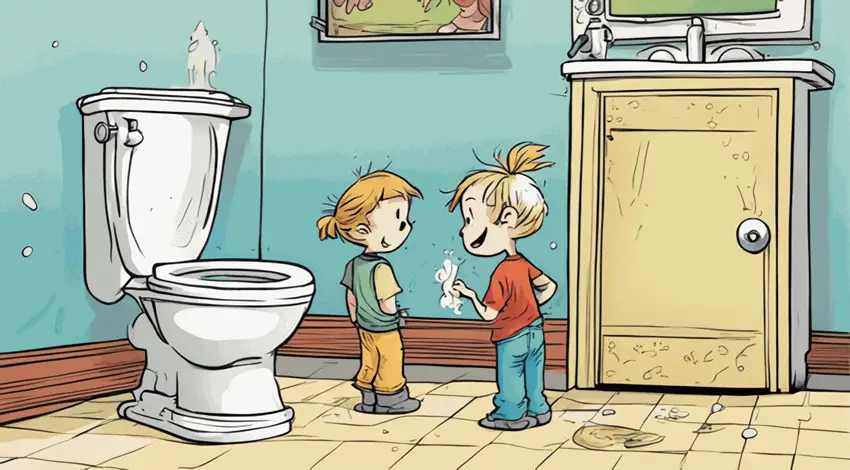
“Can you flush a tampon?” is a question that has plagued humankind ever since Eve got her first period (or at least since tampons were invented). While the siren call of a quick flush might seem irresistible, resist you must!

The experts in the plumbing industry and council sewage treatment plants have spoken: no flushing tampons, please. Even the signs in public restrooms agree, so let’s explore why flushing tampons is a big no-no.

Did you know that around 300 million tampons are sold in Australia annually? That’s a whole lot of tampons! Yet, many women are baffled to learn that flushing them is a big mistake.

At Whywait Plumbing, we’re all about healthy plumbing systems, and one of the most common issues we face is the dreaded tampon flush. So let’s dive into why it’s a bad idea, and you should avoid flushing tampons.

Tampons: The Tiny, Unassuming Plumbing Wreckers

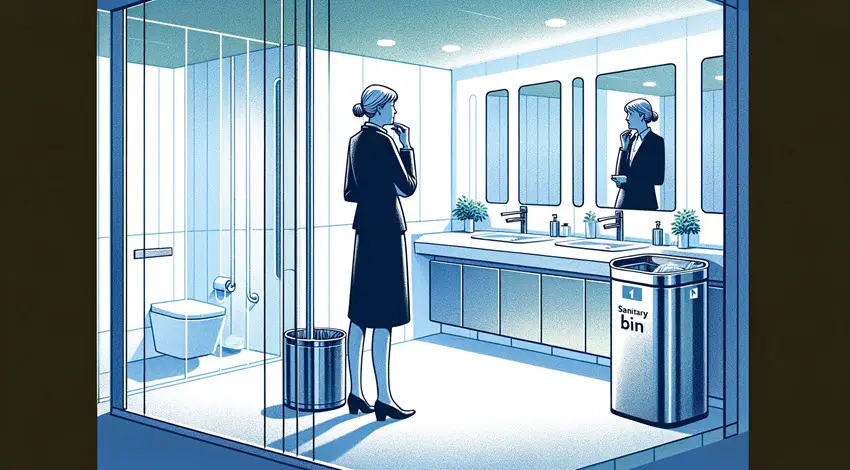
Tampons are designed to be absorbent, making them perfect for their intended job. But when flushed, these little guys become drain-blocking nightmares. So save yourself the hassle, wrap them in toilet paper, and toss them in a dedicated sanitary waste bin. Your drains will thank you.

Sewage Systems Say “No Thanks” to Tampons

Your home’s sewage system is designed to transport water, human waste, and toilet paper. This exclusive party does not invite tampons, sanitary pads, and other personal hygiene products. When they crash, they cause drain blockages, clogs, overflows, and significant damage to sewage pumps, septic tanks and equipment

Eco-Unfriendly Tampons and Mother Nature’s Disapproval

Flushing tampons not only wreak havoc on your home’s plumbing system, but it also upsets Mother Nature. Tampons can take years to break down in the environment, polluting the waters and bothering aquatic life. So do our ecosystems a favour and toss tampons in the rubbish or disposal bin.

Biodegradable tampons may be better for the environment, but they still take months to break down, meaning they’re no friend to your drains or sewage treatment system.

A Sewer Backup: The Nightmare No One Wants

One tampon won’t block your drain, but over time, they pile up and form a pipe-clogging mass. Throw in some tree roots and debris, and you have a recipe for blocked drain repairs. In addition, a blocked main sewerage line can result in raw sewage backing into your home – nobody wants that.

Avoid costly repairs and maintenance

Flushing tampons can lead to an expensive headache. Blocked toilets, blocked drains, damaged sewage systems, and sewer backups require professional plumbing services to resolve. Save yourself the trouble and expense by adequately disposing of tampons, sanitary pads, and other sanitary products in a waste bin.

Avoid Flushing Tampons Here is The Right Way to Dispose of Tampons

While flushing tampons might feel like an eco-friendly choice, it’s not. The solid waste from sewage systems, including tampons, eventually ends up in landfills. Since tampons can’t be recycled, tossing them in the rubbish is the best option.

Are you caught in a public restroom with no bin in sight? Fear not! Here are some alternative disposal methods:

  • Carry a small, sealable plastic bag for discreet disposal. Stash the used tampon in the bag and toss it later when a proper waste bin is available.
  • Opt for eco-friendly, biodegradable tampons, which break down more quickly in the environment. Of course, they still shouldn’t be flushed, but they’ll be kinder to the planet in landfills.
  • Consider reusable menstrual products like menstrual cups, cloth pads, or period underwear. These sustainable options reduce waste and can save you money in the long run.

To Flush or Not to Flush: A Reality Check on the Dangers of Tampon Disposal

At Whywait Plumbing, our mission is to keep your plumbing system in tip-top shape while providing a few smiles along the way.

Avoid flushing tampons and other sanitary products down the toilet. It is a recipe for disaster, leading to blockages, costly repairs, and even environmental damage. So do your part by disposing of tampons in a dedicated waste bin, and remember that a happy plumbing system is a tampon-free one.

If you find yourself facing plumbing issues – tampon-related or otherwise – our professional team at Whywait Plumbing is here to save the day with fast, reliable service and a smile.


CCTV drain camera
Stay Safe and Warm: The Hidden Dangers of Lowering Your Hot Water Temperature

Stay Safe and Warm: The Hidden Dangers of Lowering Your Hot Water Temperature

Cold Weather Affects Your Hot Water Temperature Increasing Energy Consumption

Your hot water temperature in the shower increases as winter approaches and temperatures drop. Your hot water use increases proportionately to how cold the weather is. As a result, You will find yourself using hot water more frequently.

The surge in electricity and gas costs, driven by government policies on climate change, is adversely affecting household budgets. While conserving energy and reducing electric and gas utility bills is always a priority, being aware of the potential health risks associated with lowering your hot water temperature is essential.

Are you aware that the temperature of your hot water may significantly impact your health?

A recent article published by the Australian Building Codes Board (ABCB) highlights the dangers of reducing the temperature of the hot water in your home. The report confirms what plumbers are well aware of and that lowering the temperature can create the perfect breeding ground for harmful bacteria, such as Legionella, which can cause Legionnaires’ disease.

The Hidden Dangers of Legionella Bacteria

Lowering the temperature of your hot water system can create the perfect breeding ground for harmful bacteria, such as Legionella, which can cause Legionnaires’ disease—a severe form of pneumonia that can be life-threatening.

Legionella bacteria thrive in water temperatures between 20°C and 45°C, so setting your water temperature too low might inadvertently promote their growth.

Lowering the temperature of your hot water storage system can create the perfect breeding ground for harmful bacteria, such as Legionella, which can cause Legionnaires’ disease—a severe form of pneumonia that can be life-threatening.

Legionella bacteria thrive in temperatures between 20°C and 45°C, so setting your temperature too low might inadvertently promote their growth.

The Safe and Recommended Water Temperature

The Australian Building Codes Board (ABCB) recommends maintaining a hot water temperature of at least 60°C to prevent the growth of Legionella bacteria. This temperature effectively kills any bacteria present in the water.

Consider installing a tempering valve if you don’t already have one to avoid scalding risks. A tempering valve mixes cold water with hot water, reducing the temperature to a safe 50°C for household use. This ensures the safety and comfort of your family members, particularly young children and older adults who are more vulnerable to scalding.

Balancing Energy Efficiency and Safety

At Whywait Plumbing, your safety and well-being are our top priorities. So here are our three key recommendations to prevent Legionella growth in your hot water system:

  • Maintain a water temperature between 60°C and 65°C. Keeping your hot water system within this range will prevent the growth of harmful bacteria while ensuring your water is safe to use.
  • Schedule regular maintenance for your hot water system. This includes annual testing and certification of your tempering or thermostatic mixing valve, flushing the tank, and inspecting the temperature and pressure relief valve. Routine maintenance promotes optimal performance and reduces the risk of bacterial growth.
  • Install a tempering valve if you don’t have one. A tempering valve mixes cold water with hot water, delivering water at a safe temperature (usually around 50°C) to your taps and fixtures. This prevents scalding while maintaining the necessary temperature within the hot water system to kill harmful bacteria.

We understand many homeowners want to save energy and reduce their electric and gas utility bills by lowering their water temperature. However, it’s crucial to strike a balance between energy efficiency and the safety of your household. By maintaining a temperature of at least 60°C, you can effectively prevent the growth of harmful bacteria while still conserving energy.

Leave It to the Professionals

If you’re uncertain about the appropriate temperature setting for your hot water system or believe there might be a problem with your tempering valve, refrain from attempting any adjustments yourself. Unlicensed individuals tampering with hot water thermostat settings or tempering valve settings is illegal and not a DIY task, regardless of what someone at Bunnings might suggest. In addition, interfering with plumbing, electrical, or gas systems can put you and your family at risk and potentially void your insurance policies.

Our experienced team at Whywait Plumbing is ready to help you with all your hot water system needs, from inspections to maintenance and repairs, ensuring that your system operates safely and efficiently.

Health Comes First: Understanding the Significance of Water Temperature

It’s essential to be aware of the risks associated with lowering the temperature settings in your hot water system. Maintaining a temperature of at least 60°C can prevent the growth of Legionella bacteria, protecting your family from potential health hazards.

Don’t hesitate to contact Whywait Plumbing for expert advice and assistance in keeping your home safe and comfortable this winter.

Gary Mays from Whywait Plumbing on hot water temperature
The Hidden Dangers of Toilet Flushing: What You Need to Know

The Hidden Dangers of Toilet Flushing: What You Need to Know

Toilet Flushing No-No’s: A Plea from Your Toilet

For maintenance plumbing companies, this topic is dear to our hearts and your drains. The things you should never, ever flush down the toilet. If your toilet could talk, it would beg you not to flush these items. But since it can’t, we’ll do the talking for it!

The Not-So-Flushable Wipes

Baby wipes and cleaning wipes may say “flushable,” but trust us, they’re not. Wipes are like that one friend who overstays their welcome – they don’t break down as toilet paper does. The result? A clogged-up mess that will have you calling us in a panic. They always belong in the rubbish bin.

Nappies and Sanitary Products: A Horror Story

Nappies and sanitary products, we all get it, it’s an instinct to want to flush these away, but these items are about as welcome in your drains as a chainsaw-wielding clown. They swell up and cause blockages, so spare your toilet the horror and toss them in the rubbish bin instead.

Cotton Buds and Dental Floss: Undercover Agents of Chaos

Cotton buds and dental floss are ultimately deadly in your drains. These small, innocent-looking items are like undercover agents of chaos. They tangle and trap other debris, building up massive pipe-clogging gangs. Save your plumbing system (and your sanity) by disposing of these villains in the rubbish.

Cooking Grease, Fat and Food Scraps Your Toilet’s Worst Enemy

Cooking grease, fat, and food scraps is a huge no-no. The only thing your toilet wants to eat is toilet paper. Anything else, especially grease and food scraps, will leave it feeling bloated and sluggish – not to mention the havoc it wreaks on your drains. If you want a food waste disposal unit, install one in your kitchen sink. So show your toilet some love by keeping its diet clean and simple.

Medications: A Nasty Cocktail for Your Water Supply

Sure, it seems logical to flush expired pills, but when you do, you’re giving your local water supply a nasty cocktail of chemicals. So instead, be a good neighbour and dispose of medications at designated drop-off points.

Goldfish: The Environmental Impact

We know it’s a classic funeral-at-sea scenario, but trust us, your toilet is not the gateway to a better life for your fishy friend. Flushing fish can introduce diseases and invasive species to local waterways, so please, let Nemo rest in peace in a more environmentally friendly way.

Treat Your Toilet Kindly

The next time you’re tempted to flush something other than toilet paper, remember that your toilet is a delicate soul with a sensitive stomach. So treat it kindly, and it will return the favour by not turning your bathroom into a scene from a horror movie.

Follow the Three Ps: Pee, Poop, and (Toilet) Paper

So, there you have it! The unwritten (well, now written) rules of toilet flushing are brought to you by the friendly plumbers at Whywait Plumbing. So, save your drains, your plumber, and your credit card balance by only flushing the three Ps: pee, poop, and (toilet) paper. And if you find yourself in a plumbing pickle, don’t hesitate to call us – we’re always here to save the day (or your drains, at least).

Why wait? Experienced Gold Coast Plumbers have expertise, skills and knowledge

Why wait? Experienced Gold Coast Plumbers have expertise, skills and knowledge

DIY plumbing is no match for real Gold Coast Plumbers with experience, skills, knowledge and expertise

Plumbing issues are never easy to deal with, but the temptation to handle them yourself and get all the materials you need from Bunnings can be intense. After all, why pay a professional when you can save money by fixing the problem on your own?

However, when it comes to plumbing, taking the DIY route can often lead to more significant issues and expenses in the long run.

That’s why hiring real Gold Coast plumbers with the necessary experience, skills, knowledge, and expertise is crucial to getting the job done right the first time.

An expert plumber’s experience and knowledge is the key to tackling plumbing problems

There’s no substitute for experience and knowledge when it comes to plumbing problems. Expert Gold Coast plumbers who are experienced plumbers bring a wealth of practical know-how to the job, with years of experience tackling multiple issues. Whether it’s a leaking tap, a blocked drain, no hot water or a burst pipe, an experienced plumber has the skills and expertise to assess the problem quickly and provide an effective and efficient solution.

Not only does an experienced plumber possess the technical know-how to solve plumbing problems, but they also bring a deep understanding of the broader issues at play. This can include everything from City of Gold Coast plumbing requirements and regulations to environmental concerns and best practices for maintaining plumbing systems over the long term.

By relying on an experienced plumber, clients can feel confident that their plumbing problems will be addressed in a way that solves the immediate issue and considers their long-term needs and goals.

Ask any real Gold Coast plumbers how incomplete or inaccurate DIY plumbing solutions from Bunnings or Google for plumbing problems can backfire

While the internet can provide a wealth of information on a range of topics, including DIY plumbing solutions, it is essential to exercise caution when relying on Google. Of course, the nice man at Bunnings may listen attentively and sell you various solutions. Still, they are a hardware supermarket, not a licenced plumber who visually inspects your problem.

Incomplete or inaccurate information can lead to costly mistakes and even potentially dangerous situations when it comes to plumbing problems. In addition, it’s important to remember that plumbing systems are complex, and what may seem like a simple fix can require a deeper level of understanding and experience to resolve correctly.

Don’t disrespect a plumber’s expertise and experience by haggling about their prices

It’s an unfortunate occupational hazard for plumbing businesses that a business you’ve worked for resorts to dishonesty to avoid paying its tax invoice for the work undertaken. Thankfully, a recent experience with a dental practice is generally the exception, not the rule. In this case, the dental practice in question attempted to spin a web of lies to justify their non-payment. It’s frustrating for everyone involved, but it’s important to remember that such behaviour is disrespectful and unprofessional.

Can you imagine the repercussions and reaction if you attempted to withhold payment from the dentist under the pretext of discrediting their expertise and accusing them of incompetence and grossly overcharging?

It’s common for some clients to attempt to negotiate a lower price for our services. Still, there’s a difference between negotiating in good faith and trying to manipulate the situation through dishonesty.

When a business such as a dental practice attempts to beat a plumber’s price down deceitfully, they disrespect the experience and expertise that the plumber brings to the job. It’s important to remember that a plumber’s price is not just for the service they provide but for the years of training and knowledge they bring to the table. Disrespecting their price is disrespecting their value as a professional plumber.

A Plumber's Perspective: A Conversation with a Client on Solving Plumbing Issues and The Ulimate Cost of The Work

G’day mate, now that you’ve looked at everything on my existing hottie, how much for replacing it with a new one?

Well, it’ll cost you $5230, mate.

What? That’s too much! That’s a bloody fortune! Can’t you do it cheaper?

I understand, but this is a big job. So we’re not just slapping a band-aid on it. We’re fixing it properly.

Fair enough, but I reckon it’s a simple job. I’ve Googled it, and all the experts consider $2000 up to $3000 as a fair price. So how about $2500?

I appreciate your opinion, mate, but unfortunately, I can’t do it for that little. I would be better off staying in bed than coming here to work at a loss. Unlike all your Google experts, I’ve eyeballed what is required to properly replace your hot water system and comply with the Plumbing and Drainage Act. But I have a proposition for you. For $1500, I can teach you how to do it yourself.

Teach me? I don’t even know where to start! I work with my brain, not my hands, I’m a financial planner, so I’m not exactly a tradie, mate.

No worries, mate. For $1500, I’ll teach you everything you need to know. It’ll be like a DIY Bunnings sausage sizzle. Plus, you’ll get the knowledge and experience to do it yourself next time.

Alright, I’m game. What do I need to do?

First, you’ll need tools like a pressing tool, battery drill, half-inch benders, screwdrivers and shifters, PPE, a trolley to move the gear around the house and a few other hand tools.

Crikey! I don’t have any of those.

No problem, mate. I can rent them to you for another $1300. So you’re still saving $2430 in the end.

Cool, I’m in, then. Sounds like a good deal. When can we start?

I’m available on Saturdays.

Saturday? But I have plans on Saturdays! It’s my weekend…my day off to spend with the family.

I’m sorry, mate. Saturdays are my teaching days for teaching Bunnings weekend warriors. And if you’re doing it yourself, you’ll need to get up early and get the gear we need for the job from Tradelink at 6.30, so we can start by 9.

That’s a bit rough, mate. Saturday is usually my sleep in morning. Can’t we get the gear from Bunnings?

Sorry mate, if we’re going to fix this correctly, you need suitable quality materials from an actual plumbers merchant.

I don’t have any free Saturdays coming up. Can’t we do it on a weekday?

No. As I said, Saturday is my only free day to teach you. Also, you’ll need a truck to transport the gear.

A truck? I don’t have a truck! I have a Tesla!

It looks like you’ll have to rent one. And the gear is pretty heavy to lift, so you will need some of your mates to come over to help you load and unload the truck.

I really don’t think I can ask my friends, they’re all professionals, not manual labourers, to do that. Can’t we do it on a weekday, and I’ll hire some guys off Airtasker?

I’m afraid not, mate. I’ve got other jobs during the week. However, I have good news for you! You can hire me to do it on a weekday if you’d like.

Really? That sounds like a better idea. But how much will that cost?

Well, it’ll cost you $5230, just like I said at the beginning.

C’mon mate, that’s too expensive! All the experts on Google agree.

I understand, mate. But you’re not just paying for a job. You’re paying for the knowledge, experience, equipment, tools, time, employees and family sacrifices I bring.

I guess you’re right. You know what? I’ve been thinking. It probably is better for you to do the job. It’s better to pay you to do the job right and not have to go through all that hassle.

Sensible decision, mate. Don’t worry, we’ve got you covered, mate. When you hire us, you’re not just paying for the job. You’re paying for our experience, expertise and everything we bring to the table with the tools in the back of the ute.


Some advice to plumbers reading this blog – “As a Gold Coast plumber, you know your worth. Don’t let anyone tell you otherwise – you’re worth every cent. After all, you’re the professional expert here – you know the costs to keep your business running smoothly. So value your services appropriately and do not undersell yourself as a professional licenced plumber.”


Mutual respect and professionalism are essential for every successful business relationship

As a Gold Coast plumber and business owner with 46 years of experience, I’ve seen first-hand how negative stereotypes can affect people in different professions, trades, and occupations. As a result, I believe in treating everyone as I expect to be treated and in giving people the benefit of the doubt until they give me a reason not to trust them.

Sadly, it’s all too common to hear someone say, “I’m just a…”, which sends a subliminal message that their work is of lesser value. But every occupation requires unique skills and expertise, and it’s essential to avoid making generalisations or assumptions about any profession based on these stereotypes.

One thing that bothers me is how certain professions are viewed as less prestigious or essential than others. This can lead to unfair judgments and undervaluation of people in those occupations. To build a positive business-to-client relationship and create a culture of mutual respect, we must actively listen to each other, communicate effectively, and find common ground to create a solution that is beneficial to everyone. By doing so, we can break down barriers and work together towards a more inclusive and collaborative business relationship.

We must also recognise how negative stereotypes can affect people in different professions, trades, and occupations. Therefore, it’s essential to treat everyone with respect and professionalism, regardless of their job title or position. Doing so can create a more supportive and inclusive environment for all.

A true Gold Coast plumber stands as a beacon of quality and trustworthiness

As we wrap up this exploration into the hallmarks of a genuine Gold Coast plumber, we cannot overemphasise the importance of expertise, skills, experience, and knowledge in this field.

As you navigate the often complex waters of plumbing issues and maintenance, remember that a true Gold Coast plumber stands as a beacon of quality and trustworthiness. They embody a rich blend of technical proficiency and a deep understanding of the local nuances, committed to delivering not just solutions but peace of mind.

In a realm where precision and reliability are non-negotiable, settling for anything less than experienced Gold Coast plumbers is not an option. Stay informed, choose wisely, and safeguard your home’s plumbing integrity with a professional who bears the genuine mark of excellence and reliability.

Wastewater management is every ones responsibility aiding sustainability

Wastewater management is every ones responsibility aiding sustainability

Do you know what happens to your water when you flush the toilet?

At Whywait Plumbing, we know how important it is to take care of our wastewater. Wastewater is any water used in homes or businesses that needs to be cleaned before it can be safely released into the environment. If not appropriately managed, wastewater can pollute our water sources, harm wildlife and affect our health. That’s why we want to help our clients understand the best ways to handle their wastewater.

First, it’s essential to know that there are different types of wastewater. Household wastewater comes from everyday activities like showering, washing dishes and doing laundry. Industrial wastewater is created by restaurants, mechanics workshops, bakeries, supermarkets, butcher shops, factories and can have different chemicals and pollutants. Both types of wastewater need to be cleaned before they are let into the environment. Most of the time, this cleaning happens at a wastewater treatment plant. These plants use a combination of physical, chemical and biological methods to remove pollutants and bacteria from the water.

Households produce an average of 300 litres of wastewater per person per day. Despite popular misconceptions, ninety-nine per cent of this wastewater is just water. The other one per cent is contaminated wastewater. Wastewater is a vital resource and will be released to our land, waterways and the ocean as recycled water after treatment.

What is wastewater?

At Whywait Plumbing, we ensure that our customer’s wastewater management treatment systems are working correctly. This includes regular maintenance and repairs for septic tanks, treatment plants, grease traps, house drain sewer systems, and installing new systems when needed. If you live in the City of Gold Coast, then you are connected to the council sewage system unless you live in a rural area.

It’s also important to try and reduce the number of pollutants that get into the wastewater system in the first place. This means being careful about what we put down the drain or toilet, such as grease, oil and chemicals.

Another essential aspect of wastewater management is appropriately disposing of greywater. Greywater is water that has been used for things like laundry or showering but does not have fecal matter in it. Greywater can often be reused for watering gardens or flushing toilets, which helps us save our freshwater resources.

Stormwater is also wastewater being the runoff that flows from roofs, parks, gardens, roads, paths and gutters into stormwater drains after rain in urban areas. Stormwater flows untreated directly to local creeks, streams or rivers, eventually flowing into the ocean. As a result, most stormwater receives no treatment. However, this is changing in new subdivisions and commercial sites with stormwater treatment to remove vegetation debris, human litter, sand, and gravel using bioretention basins and gross pollutant traps.

What are On-site Sewerage Facilities?

At Whywait Plumbing, we understand that not everyone has access to the same sewerage infrastructure provided by the council. That’s why we want to explain what On-site Sewerage Facilities (OSSF) are and how they can help keep your property and the environment safe. Traditionally these have been called septic tanks.

OSSF’s are systems that treat and dispose of the sewerage generated on your property within your property boundaries. These systems include septic tanks, aerated wastewater treatment systems, passive wastewater treatment systems and composting toilets. These types of systems are typically required in areas that are not serviced by council sewerage infrastructure.

It’s important to note that well-maintained OSSF can help protect public health and safety and reduce the risk of environmental harm with contaminated water flowing into creeks and streams. So, if you have an OSSF on your property, it is essential to keep it well-maintained to ensure it continues to work effectively.

If you have questions or concerns about your On-site Sewerage Facilities, please don’t hesitate to contact us at Whywait Plumbing. We’re always happy to help!

How is wastewater treated in a sewage treatment facility?

At Whywait Plumbing, we want to ensure you understand how sewage is treated before it is released into the environment and, ultimately, into the ocean. On the Gold Coast, there are four wastewater management treatment plants at Pimpama, Coombabah, Merrimac and Elanora, which process your wastewater in four stages:

  • In the first stage, primary treatment, they remove large objects and debris from the sewage. They do this by passing the sewage through screens to catch anything that shouldn’t be there, like plastic or other trash. They also use grit traps to remove smaller particles like sand. After that, they let the sewage sit in tanks so that any remaining solids can settle to the bottom and be removed. Finally, they also skim off any grease or scum that floats to the top.
  • Next, they use microorganisms to break down and remove any remaining dissolved wastes and small particles. This is called the secondary stage treatment. Finally, they add microorganisms to the sewage that eat away any remaining pollutants.
  • In the third stage, nutrient removal, they remove nitrogen and phosphorus from the sewage. These nutrients can cause problems in our waterways, like algal blooms.
  • Finally, they disinfect the sewage to ensure it’s safe to release back into the environment as recycled water for golf courses and parks or ocean discharge. They do this by adding chemicals or using ultraviolet light to kill any remaining disease-causing microorganisms. They may also let the sewage sit in the ponds for several weeks, allowing the microorganisms to die off naturally before releasing it.

We hope this helps you understand the sewage treatment process and how it keeps our waterways clean and safe!

How can you help?

At Whywait Plumbing, we educate our clients on wastewater management and provide the necessary services to manage their wastewater seriously.

There are multiple ways you can help that are simple everyday tasks:

  • never connect stormwater drains to any part of your house sewer drains
  • never put substances such as petrol, oil, solvents, pesticides or herbicides into sewer or stormwater drains
  • compost all kitchen food scraps
  • use natural cleaning products that are phosphate and bleach free
wastewater management  creates a clean environment for drinking water

Ultimately we are all individually responsible for sustainable wastewater management to keep our water sources and the environment clean and safe for future generations by working together.

CALL NOW
CALL NOW