Whywait Plumbing Services Logo

OFFICE HOURS

Mon to Fri 7.30am – 4pm
24-Hour EMERGENCY SERVICE

CALL 7 DAYS FOR SERVICE!

YOUR TRUSTED GOLD COAST PLUMBERS & GAS FITTERS

OFFICE HOURS
Mon – Sun 7.30am – 4pm
24 Hr Emergency Service

Understanding Water Pipe Pressure: How it Works and Why it Matters

Understanding Water Pipe Pressure: How it Works and Why it Matters

What are the legally required water pressure requirements?

Water pressure within a commercial or residential building is from a consumer viewpoint based on perception rather than reality. According to AS/NZS 3500.1:2021 Water Services in section 3.3 Pressure Requirements, the water pressure should be between 50kPa and 500kPa at the furthermost or most disadvantaged fixture or outlet within a building, with the ideal pressure at outlets being at least 150kPa.

In simple terms, water pressure measures the force required to move water through the pipework and to the fixture outlet and maintain a residual force in the pipework to ensure water is immediately available when needed. When the pressure falls below 150kPa, taps, valves, plumbing fixtures, and appliances may fail to operate correctly. In such cases, a means to increase the pressure, such as pumping, must be provided.

However, excessive pressure beyond the limits specified in AS/NZS 3500.1:2021 can also cause issues. include;

  • Water wastage with excess water going into the drain.
  • Noisy pipes, taps and valves.
  • Water hammer.
  • Potential for leakage from valves and fixtures such as toilet cisterns.
  • Failure of pipe joints and valves.
  • Taps, valves, fixtures, and appliances have a shortened life cycle.
  • Increased plumbing maintenance costs.

To counter this, pressure-limiting or pressure-reducing valves should be installed when the residual pressure at outlets exceeds the specified or required limits. Additionally, it’s worth noting that the warranties of some appliances or fixture outlet devices may be voided if excessive pressure is evident.

The difference between static and flow pressure

Another important aspect is the difference between static and flow pressure. Static pressure is the pressure exerted by the water on the walls of the pipe, fittings or valves when no water is flowing.

In contrast, flow pressure is the pressure that exists at any point in the system when water is flowing at that point. So in a horizontal pipe, no matter where you measure the static pressure in the pipeline at a tap, you would have the same pressure reading.

For a single-story residential home, if the pressure is 500kPa where the pipe enters the house, it would also be 500kPa at the rear hose tap of the house. The static pressure will reduce as soon as that hose tap is turned on.

What is flow pressure?

Flow pressure exists at any point in the system when water is flowing at that point when a tap or fixture is turned on. Once the water starts to flow, the water moving through the pipe uses some energy to push past the pipe surface, bends, tees and valves no matter how smooth the internal piping system is.

This movement consumes energy and reduces the pressure to push the water out of the end of the tap. This pressure loss is due to friction occurring at every point along the pipeline. When water starts to flow through a pipe, the pressure is highest at the source and decreases every metre along that pipe. Therefore, the pressure would be lowest at the most distant tap or fixture.

How is water pipe pressure created?

Water pressure can be created in two ways: through gravity pressure, generated at water outlets that are lower than a water reservoir and through pumped (boost) pressure created by the force of a pump, which draws in water from a source and discharges it at a higher pressure from the outlet of the pump.

water pipe pressure maintained by Whywait Plumbing

What is gravity water pressure?

All over the Gold Coast, we have reservoirs at elevated locations. The water is distributed from these reservoirs through a network of piping known as a gravity water mains system.

Pressure varies at different locations along the distribution water main depending on the distance from the reservoir and the elevation of the home from that reservoir which is illustrated in Fig 1.

Homes located at low elevation areas receive the highest pressure. Alternately homes located at the highest elevation receive much lower pressure.

The horizontal distance from the reservoir is the other factor that will considerably influence the gravity of the pressure received at each individual home.

With the Gold Coast gravity water mains system the greater the distance from the reservoir that your home is the lower the pressure you will receive. This pressure reduction is due to frictional loss within the pipework compared to the homes closer to the reservoir.

What is pumped water pressure?

In all buildings where the pressure is inadequate for the water service functions required within the building, a pressure booster pump has to be installed to add pressure to the available water mains pressure. This is necessary to overcome the vertical height of the building and the frictional resistance or loss within the pipes, fittings or valves, as well as to supply the required pressure at the tap or fixture outlet.

For pressure requirements at taps and fixtures, it is initially the responsibility of the hydraulic engineer and the plumber to design and install the necessary water flow and pressure in the building during construction to satisfy the function and operation of all of the taps, fixtures and appliances. Ideally, the plumber would aim for at least 250 to 400 kPa at the taps and fixtures.

Why is head pressure important for water pressure?

Head pressure is critical to ensuring adequate water in every building, especially in high-rise buildings.

In pump systems, the water pressure head is measured in metres meaning that every 1-metre increase in height (1-metre head) requires 9.81kPa to lift the water up 1 metre. It is precisely the same for gravity systems, so for every 1 metre below the reservoir, gravity provides 9.81 kPa water pressure. To keep it simple, use the rule of thumb, which is 1-metre head equals 10 kPa.

If you want to put this into perspective, the tallest building currently on the Gold Coast is the Q1 Building which has 77 floors and is 322.5 meters high, so to pump water from the bottom of the building to the top requires 3164 kPa pressure. As you can see in Fig 2 below, an example of how high-rise buildings are supplied with water to the very top. With the height difference of each floor, pressure-reduction valves are required at each floor level to balance the pressure delivery at the taps and fixtures.

Water pressure for taps and fixtures is an important consideration

When constructing a new building, the hydraulic engineer and the plumber must provide the entire building water flow and pressure at the taps, fixtures and appliances to ensure their function and operation per each manufacturer’s requirements.

Achieving the correct pressure is crucial to the operation of any building. Almost every building, whether a residential home or a high-rise building, will have water pressure controls, pressure limiting, and pressure reducing valves to ensure pipe pressure does not exceed 500 kPa and each tap, fixture or appliance performs to the manufacturer’s specifications.

If the pressure is too low, this will inconvenience and impact the occupants in multiple areas, such as the washing machine, garden hose taps, bath filling, toilet cistern filling and low-pressure showers.

Conversely, if the pressure is too high, as we have already discussed above, the results can be disastrous and result in water wastage with excess water going into the drain, noisy pipes, taps and valves, water hammer, the potential for leakage from valves and fixtures such as toilet cisterns, the failure of pipe joints and valves, taps, valves, fixtures, and appliances having a shortened operational life cycle expectancy and increased plumbing maintenance costs.

The issues with pressure loss

In all new buildings, as we have already discussed pressure head is crucial when selecting and sizing the water pipe services. The pipes, valves and fittings’ head loss or pressure loss are equally important as the supply pressure entering the building.

Excessive pressure losses in the water piping can be caused by selecting incorrect pipe sizes and valves with high frictional loss. This may cause more significant overall frictional head loss within the water supply piping system. In many Gold Coast residential homes, this is a major issue with poor pressure, especially in showers, as the plumber has only used 12mm piping instead of 20mm, which as we now know, creates significant pressure reduction due to frictional resistance.

Your water pressure needs monitoring

In conclusion, proper pressure is essential for all taps, plumbing fixtures and appliances.

At Whywait Plumbing, we strive to provide our clients with the necessary solutions and services to ensure that their pressure is within the ideal range as per AS/NZS 3500.1:2021. We understand the importance of proper water pressure and the potential risks associated with inadequate or excessive pressure.

You need to maintain your plumbing systems, such as pumps and pressure reduction valves installed at the time of construction, to ensure they continue to function correctly and provide you with the correct pressure of 500 kPa.

If you have any concerns about your water pressure, don’t hesitate to contact us for professional advice and solutions.

low water pressure Gold Coast
As your water pipes age erosion and corrosion can create significant expenses

As your water pipes age erosion and corrosion can create significant expenses

What is erosion and corrosion in copper pipes?

At Whywait Plumbing, we understand the importance of protecting your plumbing and infrastructure from damage caused by erosion and corrosion. These processes can cause significant damage to pipes, fittings, and other components, leading to costly repairs and even complete system failures. In this blog post, we will discuss the causes of erosion and corrosion and the steps you can take to prevent or mitigate these issues.

Erosion is the gradual wearing away of materials caused by the movement of water, air, or other natural elements. This can happen in various ways, including water flowing through pipes, air passing over metal surfaces, or even soil movement around underground pipes. Erosion can cause damage to the surface of pipes, fittings, and other components, making them more susceptible to leaks and other problems.

Conversely, corrosion is the gradual destruction of materials caused by chemical reactions to the environment. For example, this can happen when pipes and fittings are exposed to water containing dissolved oxygen, acids, or other harmful chemicals. As a result, corrosion can cause damage to the surface of pipes, fittings, and other components, making them more susceptible to leaks and other problems.

Temperature and high water pressure velocity are the leading causes of erosion and corrosion in your water pipes.

High velocity or high pressure over a long period can cause the internal pipe surface to corrode, eventually leading to pinholes in the pipes.

Your hot water pipes are even more susceptible to erosion and corrosion as they age. In commercial buildings or older homes without tempering valves, the circulating hot water temperature is usually over 60° C which, combined with high pressure, creates a high risk for erosion and corrosion.

Repercussions of eroding water pipes and the consequences

Erosion and corrosion in your hot and cold water reticulation pipes can have multiple consequences, resulting in costly plumbing rectification work. The most common issues will be:

  • High water bills with significant amounts of wasted water leaking through underground pipes.
  • Corroding pipes leads to reduced flow rates, especially if you have copper pipe or galvanised piping.
  • Failure of critical infrastructure, especially in commercial buildings.
  • Both erosion and corrosion weaken the structural integrity of pipes leading to leaks that cause damage to buildings structurally and to furniture and possessions.
  • High-pressure velocity and the breaking down of pipes internally can create failure in valves such as toilet cisterns and hot water systems.


Which water pipes are most at risk from erosion and corrosion?

With the right combination of temperature and high-pressure water velocity, all piping systems are at risk of erosion and corrosion. Listed below are pipe types and their risks.

  • Copper – copper piping is most at risk of internal and external erosion and corrosion. Externally mainly if laid in concrete or underground the pipe needs to be fully covered by impervious wrapping such as Denso tape. Copper is the most at risk pipe from high-pressure water velocity corroding the internal pipe surface.
  • Pex – pex piping has a much more significant internal and external tolerance to erosion and corrosion. As with all pipes, high-pressure water velocity can still damage the pipe internally over time.
  • Polyethylene or Poly Pipe – poly pipe is mainly used externally underground and, if installed correctly, has significant internal and external tolerance to erosion and corrosion. As with all pipes, high-pressure water velocity can still damage the pipe internally over time.
  • Stainless Steel – stainless steel piping is frequently used in commercial buildings as it has highly significant internal and external tolerance to erosion and corrosion. As with all pipes, high-pressure water velocity can still damage the pipe internally over time.
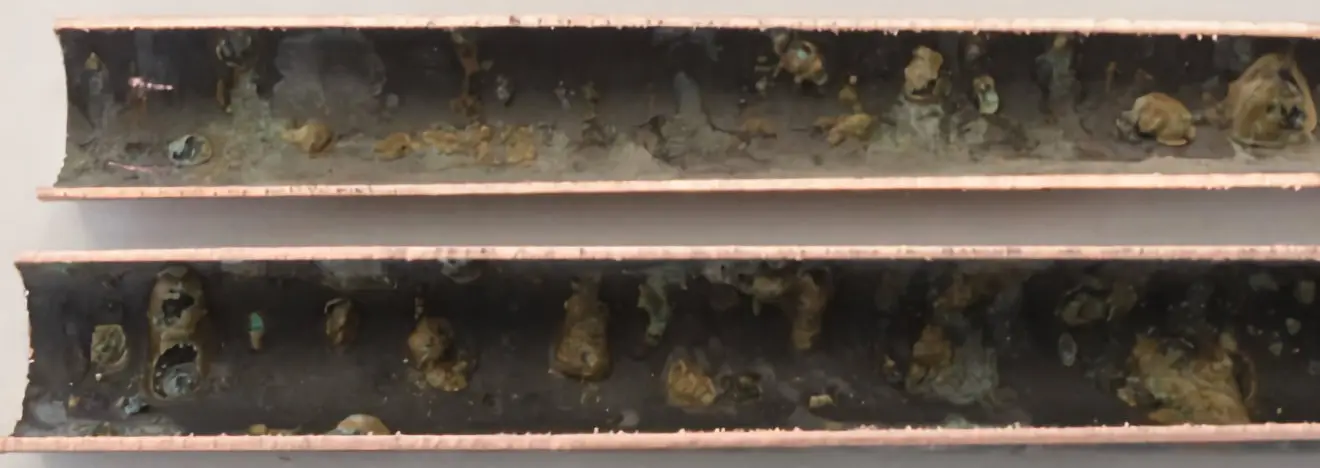
erosion and corrosion in copper pipes

The photo above is a pipe we removed and sent to Kembla for testing, as our client had suffered multiple leaks in both hot and cold pipes. They then cut and sectioned the copper pipe longitudinally to examine the internal surface in more detail. The interior surface was observed to have a well-formed black oxide layer partially covered in a layer of fine light brown silt. Multiple corrosion nodules were observed running the entire length of the cross-section. Most of these corrosion nodules are covered in fine brown silt. Brown silt was removed from several corrosion nodules to determine what was underneath. It was observed in many of the corrosion nodules the silt crust was hollow, with a void or air bubble immediately under the surface, under that a layer of corrosion product was sitting at the surface of the tube. The corrosion products were shown to be a loose mixture of black copper oxides and blue-green copper carbonate corrosion products.

Preventing erosion and corrosion in copper pipes

Preventing erosion and corrosion is essential to protecting your plumbing and infrastructure. One of the most effective ways to do this is by using materials that are resistant to the effects of erosion and corrosion. Stainless steel, for example, is highly resistant to corrosion and can be used in various applications. Other materials, such as plastics and copper, can also be used to protect against erosion and corrosion.

Another essential step in preventing erosion and corrosion is properly maintaining your plumbing and infrastructure. This includes regular inspections and repairs and proper cleaning and maintenance of pipes, fittings, and other components. In addition, it is essential to protect your plumbing and infrastructure adequately from the elements by using coatings and other protective measures.

It is also essential to be aware of any potential sources of erosion and corrosion in your area. This can include heavy rainfall, high water table, or even nearby construction projects. By understanding the specific risks in your area, you can take steps to mitigate or prevent damage caused by erosion and corrosion.

What do you need to do to prevent a high plumbing bill?

Individually, you cannot do much to protect your plumbing water pipe infrastructure. The critical step you should take is for Whywait Plumbing to undertake regular inspections and preventative maintenance. We need to ensure the following:

  • Your water pressure does not exceed 500 kPa by ensuring a fully functioning pressure reduction valve after your water meter. This eliminates the risks created by high-pressure water velocity.
  • Your hot water does not circulate above 50° C, requiring fully functioning tempering or thermostatic mixing valves. This eliminates the risk of internal erosion of pipe surfaces due to water temperatures over 60° C.

In conclusion, erosion and corrosion are serious issues that can cause significant damage to your plumbing water pipe reticulation infrastructure. However, using materials resistant to erosion and corrosion, correctly maintaining your plumbing and infrastructure, and being aware of potential sources of erosion and corrosion can help protect your property and avoid costly repairs. At Whywait Plumbing, we are committed to helping you protect your property from the effects of erosion and corrosion.

If you have any concerns about the condition of your plumbing and infrastructure, please don’t hesitate to contact us for a consultation. We’re here to help and ensure your plumbing is in top shape.

low water pressure Gold Coast
Is Gold Coast water safely disinfected with chlorine or chloramine?

Is Gold Coast water safely disinfected with chlorine or chloramine?

Where does Gold Coast water come from?

Your Gold Coast water is sourced from Seqwater, which literally can source it from anywhere. The most common is from rainfall collected in dams which are part of lakes, rivers and streams.

Remember, all rainwater is essentially recycled water. So before the water gets to your taps, it has travelled a long way. Frequently it has travelled overground, picking up dirt, decaying vegetation and animal droppings.

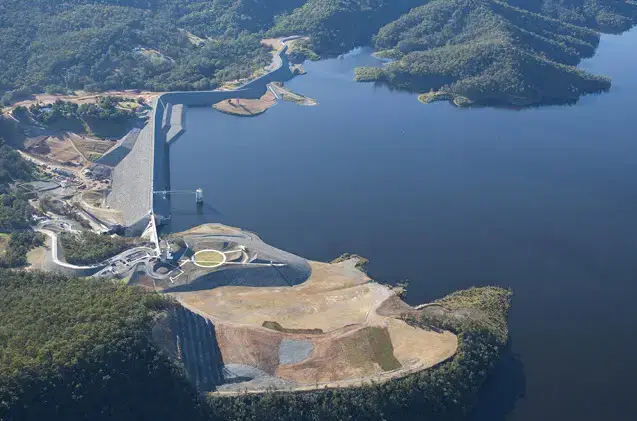
Gold Coast water is mainly from the Hinze Dam, and the Little Nerang Dam system is the city’s main water source. It has a total capacity of around 320GL, and the upgrades to the Hinze Dam completed in 2011 have increased its ability to store water during floods. The area that provides water to the dam is 207 square kilometres and includes the Numinbah Valley and Springbrook Plateau, with most of it being covered by natural bushland in state forests and national parks.

The Gold Coast Desalination Plant (GCDP) was also added in 2009 as an additional source of drinking water, which converts seawater from the Pacific Ocean into safe drinking water. The city receives treated drinking water from Seqwater, which is treated at the Molendinar and Mudgeeraba water treatment plants (WTP) with a combined capacity of around 265 ML/day, and the GCDP with a capacity of 133 ML/day. Sometimes they also receive additional water from the Mt Crosby WTP through the Southern Regional Water Pipeline (SRWP), which has a capacity of 130 ML/day.

The Australian Drinking Water Guidelines (ADWG) state that disinfection is the most important step in ensuring safe drinking water. The city’s drinking water supply is disinfected using chlorine (hypochlorite) and GCWW works to ensure a level of disinfection between 0.2mg/L and 1.8mg/L throughout the drinking water supply network at all times. This is to prevent contamination of the drinking water and protect public health.

Hinze Dam source of Gold Coast water from Whywait Plumbing

How is Gold Coast water disinfected?

Disinfecting your drinking water means that naturally occurring bacteria and germs need to be destroyed before water is distributed through all the water supply main pipelines in the City of Gold Coast.

When it comes to disinfecting drinking water, two of the most commonly used chemicals are chlorine and chloramine. Both of these chemicals are effective at killing bacteria and other harmful microorganisms, but they have some key differences.

Chlorine is a powerful oxidizer that has been used to disinfect drinking water for more than a century. It is a gas that is added to water in the form of a liquid or a powder. Chlorine works by penetrating the cell walls of microorganisms and destroying their enzymes, which kills the organisms. Chlorine is effective at killing a wide range of microorganisms, including bacteria, viruses, and protozoa. It is also relatively inexpensive and easy to use.

Chloramine, on the other hand, is a compound that is formed when chlorine is combined with ammonia. Like chlorine, chloramine is added to water to disinfect it, and it is also effective at killing a wide range of microorganisms. However, chloramine is more stable than chlorine, which means that it can remain in the water for more extended periods of time. This can be beneficial because it provides a more consistent level of disinfection. In addition, Chloramine is less corrosive than chlorine and can be safer for your plumbing and appliances.

Both chlorine and chloramine have their own set of benefits and drawbacks, and each is suited to different types of water treatment applications. Chlorine is commonly used in small and large water treatment plants, and chloramine is mainly used in distribution systems and large treatment plants.

Your Gold Coast water flowing from your tap is currently disinfected with chlorine.

Can I filter my drinking water?

Filtering your drinking water is simple. Let’s face it most of us drink the water from the kitchen tap.

You can go to the expense of installing whole-of-house water filtration systems, but they are expensive to install and maintain.

For most people, the solution is to filter the water at the kitchen tap. Traditionally this was done with filter cartridge housings under the cupboard, which required a lot of maintenance.

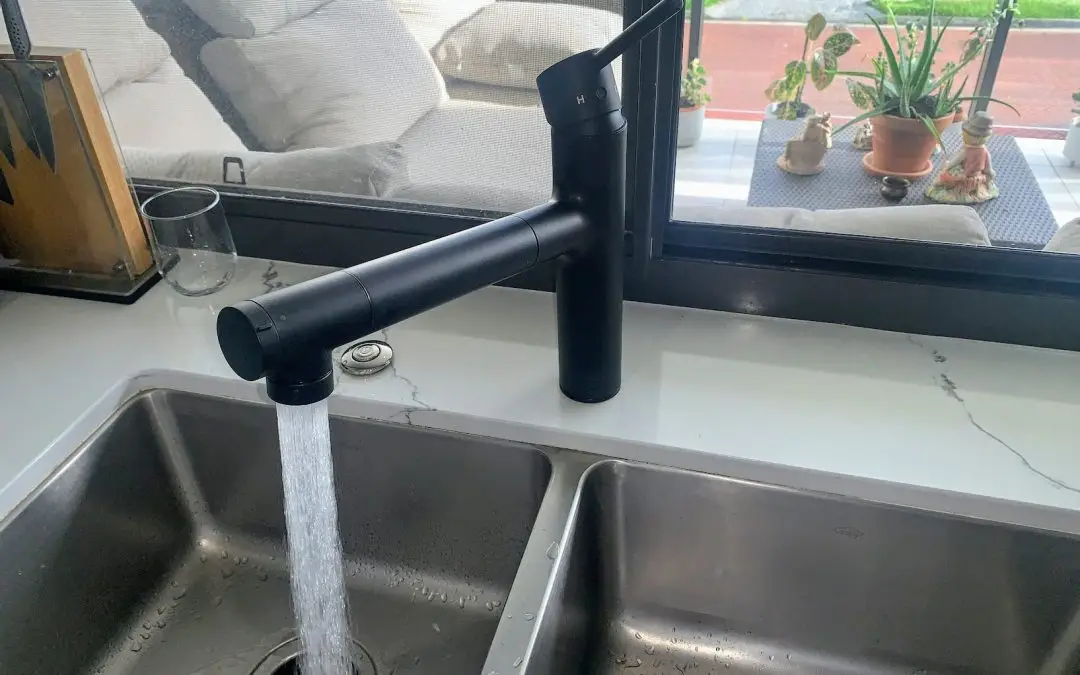
Here at Whywait Plumbing, we have the solution as we have partnered with Taqua, a Japanese company, to bring you the best built-in filtration sink mixer on the market. This innovative product allows you to have filtered water directly from your kitchen sink mixer tap.

The Taqua sink mixer is a pull-out spray that has a water filter built into it, eliminating the need for a separate water filter. This convenient design provides your family with the healthiest and safest drinking water at the touch of a tap daily.

The Taqua sink mixer is made in Japan from lead-free materials, ensuring that your filtered water that you drink is free from harmful lead leaching. The water filter removes free chlorine, soluble lead, small dirt particles and other impurities from your tap water. The unique filtration channel and automatic cleaning system work to filter a massive 4 litres of water every minute. The sterilizing ceramic materials also keep bacteria out of the filter tap, ensuring the highest standard of cleanliness possible.

Taqua’s filter tap also preserves the minerals that are necessary for your body while removing chlorine, making the water taste better and safer to consume. Additionally, it is an alternative to buying bottled water, which is the same as tap water in terms of mineral content and hardness. Taqua’s built-in filtration sink mixer removes the chlorine from tap water while retaining the minerals. This provides you with fresh, delicious water in your home every day.

Suppose you are wondering which solution is best for your home’s drinking water filtration needs, it’s important to consult with a professional plumber such as Whywait Plumbing as we are a specialist who can determine the best solution for your specific situation. They can help you evaluate your water source, usage and infrastructure to find the best solution for your needs.

Taqua Product Enquiry

14 + 13 =

Yes it’s a fact that electrolysis can cause your copper pipes to leak

Yes it’s a fact that electrolysis can cause your copper pipes to leak

What causes Copper Pipes to get Electrolysis?

Copper pipes are a popular choice for plumbing because they are durable and resistant to corrosion. However, over time, copper pipes can develop a problem called electrolysis. This occurs when electrical currents pass through the pipes, causing them to corrode and weaken. If left unchecked, electrolysis can lead to leaks and even pipe failures. In this blog post, we will explain what electrolysis is and how to prevent it from causing copper pipe leaks.

Electrolysis is a chemical reaction that occurs when electricity is passed through a liquid or metal. In the case of copper pipes, the electrical current can come from a variety of sources, such as nearby electricity wires or stray currents from appliances and lights in ceilings. When the current passes through the copper pipes, it causes a reaction between the copper and the water in the pipes, which can weaken and corrode the pipes over time, causing copper pipe leaks.

Common signs of electrolysis in copper pipes are the blue-green discolouration on the pipes. This is created by the formation of copper oxide over time and is a byproduct of the electrolysis reaction. This electrolysis can cause pinholes and leaks in the copper pipes.

Increasingly the most common cause of electrolysis that we are finding is an electrical fault in the earthing of the copper pipes. This is especially true with properties that have been renovated. Unfortunately, locating earthing issues is complex, and we need to use an electrician to confirm or eliminate earth leakage as the cause. Other electrolysis causes can be due to dissimilar metals, such as galvanised, steel, brass and copper pipes, coming into contact with each other.

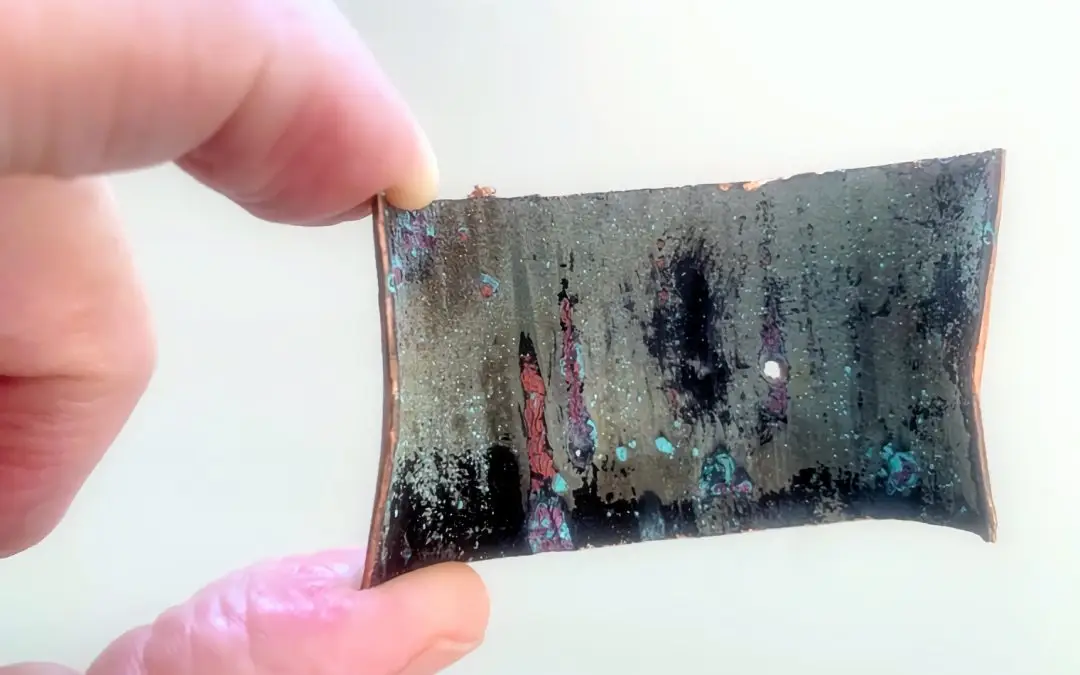
copper pipe leaks at McDonalds Oxenford from electrolysis

How do you know if your copper pipe has electrolysis?

Often the problem is not found until you have copper pipe leaks. For example, your copper pipe may have turned green and shown pitting. Once the leaking section of the copper pipe is removed, you will observe that the inside is no longer smooth but has internal corrosion. A close inspection will reveal a crater appearance with pitted holes starting to form.

Once a copper pipe leaks due to electrolysis, it is essential to locate the cause. The replacement copper pipe quickly becomes infected if the reason is not found and removed.

To prevent electrolysis in copper pipes, it’s crucial to identify and eliminate the source of the electrical current. This will involve working with an electrician to check for stray currents or power line interference. In addition, it’s vital to use corrosion inhibitors in the water supply to help protect the pipes.

Another way to prevent electrolysis is to use a cathodic protection system. This unique device is installed on the pipe to provide a negative charge, which neutralises the positive charge caused by the electrical current and prevents the corrosion of the pipes.

In addition to these preventative measures, it’s also important to regularly inspect and maintain your copper pipes. This includes checking for signs of discolouration or leaks and ensuring that the copper pipes are appropriately insulated to reduce the risk of electrolysis.

Leaking Copper Pipes Never Fix Themselves

In conclusion, electrolysis is a problem that can occur in copper pipes and can cause significant damage. However, by understanding the causes of electrolysis and taking steps to prevent it, you can help ensure that your copper pipes remain in good condition for many years.

For example, suppose you suspect your copper pipe leaks are ongoing and may be experiencing electrolysis. In that case, you must contact the qualified plumbers at Whywait Plumbing to diagnose and repair the problem immediately.

The Future of Flushable Products: A Comprehensive New Standard AS/NZS 5328:2022 Flushable Products

The Future of Flushable Products: A Comprehensive New Standard AS/NZS 5328:2022 Flushable Products

New Flushable Products Standard: A Win for Whywait Plumbing and Our Customers Introduction

Here at Whywait Plumbing, we have long advocated for clear guidelines around using and labelling flushable products. But unfortunately, we’ve seen far too many instances of blockages, overflowing drains, and the ensuing damage to properties and infrastructure due to the misuse of such products.

So from our perspective, sharing the recent news about releasing the new Flushable Products Standard is positive. After all, We’ve done media interviews on this, plus written countless blogs and newsletter articles:

The Water Services Association of Australia (WSAA) has released the new Flushable Products Standard (PAS 2845.1:2022), which provides manufacturers and consumers with clear guidance on the proper use and disposal of flushable products. In this blog post, we’ll explore the critical aspects of this new Standard and discuss how it aligns with Whywait Plumbing’s long-held beliefs on the issue.

The Importance of the Flushable Products Standard

Addressing the Drain Blockage Problem

Whywait Plumbing has been advocating for these changes mainly because of the immense problem of drain blockages caused by flushing inappropriate items down the toilet. According to the WSAA, approximately 75% of sewer blockages are caused by flushing non-flushable items, costing millions of dollars annually to rectify.

This has led to environmental issues and costly repairs for homeowners and local water authorities. The new Flushable Products Standard aims to reduce the incidence of blockages and save money for everyone involved, making it a welcome development for plumbers and homeowners alike.

Clear Guidelines for Manufacturers

One of the critical aspects of the new Standard is the provision of clear guidelines for manufacturers of flushable products. This includes stringent testing requirements to ensure that only genuinely flushable products can be marketed as such. The Standard also mandates clear labelling, helping consumers make informed choices about what they flush down their toilets.

This means that manufacturers will now have to adhere to these guidelines, ensuring that their products meet the criteria to be deemed flushable. This will help reduce the number of inappropriate items being flushed, leading to fewer blockages and plumbing problems.

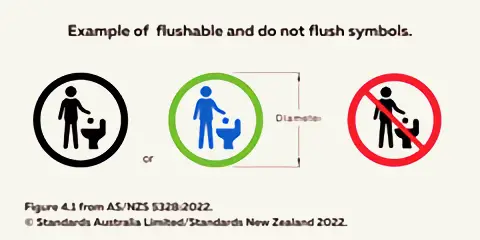
How Will The Symbol Be Displayed

The symbols for packaging indicating that a product has passed the criteria in the Standard and is safe for flushing can vary. However, they are typically simple, easily recognisable icons that convey the message. For example, for products that are safe to flush, the symbol might consist of a toilet with a checkmark, signifying that the item can be flushed without causing harm to the plumbing system or the environment.

Conversely, if a product is unsuitable for flushing, the symbol might depict a toilet with a crossed-out circle, indicating that the item should not be flushed. This “do not flush” symbol is crucial for products with a high potential to be flushed, as it helps inform customers about the appropriate disposal method.

In both cases, the symbol should be prominently visible on the on-shelf package, unobscured by packaging seals or folds, ensuring that consumers can quickly identify whether the product is flushable. Again, the goal is to provide consumers with clear, easily understood information, helping them make responsible choices for their plumbing systems and the environment.

flushable products standard

How Does A Product Qualify to Be Flushable?

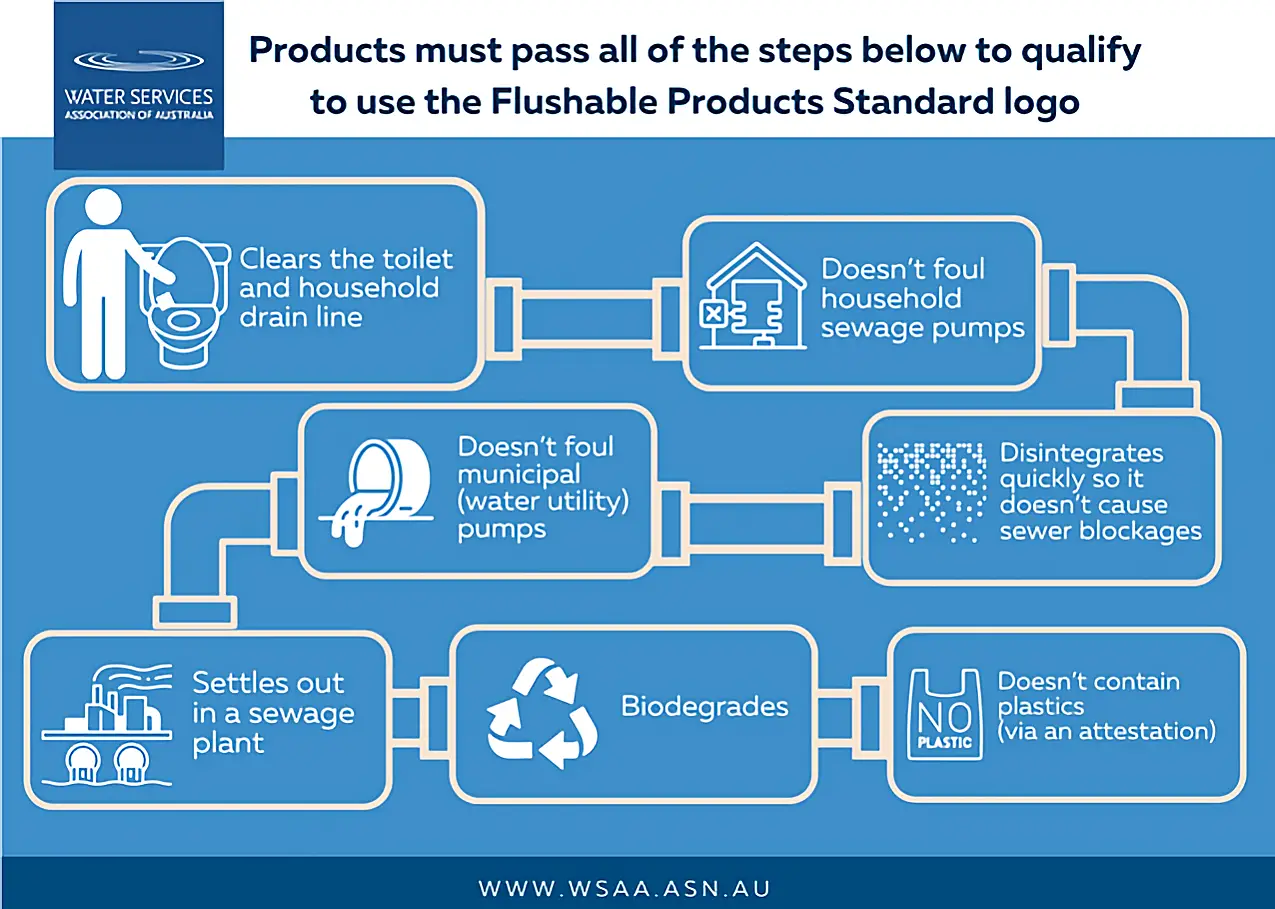
To qualify for the new Flushable Products Standard and display the flushable logo, products must undergo a series of tests and meet specific criteria outlined in the Standard. These tests ensure the product is safe for flushing and will not harm the plumbing system or the environment. Here are the seven steps a product must pass to qualify:

  1. Clears the toilet and household drain line: The product must pass through the toilet and the household drain line without causing blockages or damage to the plumbing system.
  2. Doesn’t foul household sewage pumps: The product must not clog or interfere with the proper functioning of household sewage pumps.
  3. Disintegrates quickly to prevent sewer blockages: The product must break down rapidly once it enters the sewer system to ensure that it does not cause blockages or damage to the sewer infrastructure.
  4. Doesn’t foul council sewer water utility pumps: The product must not cause any problems or blockages in municipal water utility pumps, ensuring that the more extensive sewage treatment system remains functional.
  5. Settles out in a sewage plant: The product must settle out in a sewage treatment plant, allowing it to be correctly processed and treated without causing issues in the sewage plant.
  6. Biodegrades: The product must be able to biodegrade naturally, ensuring that it does not contribute to environmental pollution or harm aquatic life.
  7. Doesn’t contain plastics (via an attestation): Manufacturers must attest that their product does not contain any plastics, helping to reduce the amount of plastic waste entering our waterways and sewer systems.

By meeting these requirements, a product can qualify for the Flushable Products Standard and display the flushable logo on its packaging. This provides consumers with clear information about the product’s suitability for flushing, helping them make responsible choices for their plumbing systems and the environment.

flushable products standard testing requirements

How the Flushable Products Standard Aligns with Whywait Plumbing’s Beliefs

Prioritising the Health of Our Waterways and Infrastructure

At Whywait Plumbing, we have always believed in maintaining the health of our waterways and infrastructure. The new Flushable Products Standard is a significant step in this direction. It will help prevent the clogging of our sewer systems and the pollution of our waterways with non-flushable waste.

By ensuring that only genuinely flushable products can be marketed as such, we can collectively reduce the strain on our water infrastructure and preserve the environment for future generations.

Empowering Consumers with Accurate Information

Another critical aspect of the Flushable Products Standard that aligns with our beliefs is the focus on providing consumers with accurate information about the products they use. With precise labelling requirements, consumers will be better informed about which items are safe to flush and which should be disposed of in other ways.

This empowers individuals to make better choices for their homes and the environment, helping to reduce the number of blockages and plumbing issues caused by flushing inappropriate items.

A Positive Step for the Plumbing Industry and the Environment

The release of the Flushable Products Standard (PAS 2845.1:2022) is a significant milestone in the fight against drain blockages and the associated environmental and financial costs. By providing clear guidelines for manufacturers and empowering consumers with accurate information, this Standard will help to reduce the number of blockages caused by non-flushable items.

As a long-time advocate for these changes, Whywait Plumbing is delighted to see this progress. It remains committed to promoting responsible flushing practices and educating our customers about the importance of these new guidelines. We believe this Standard will positively impact the plumbing industry, the environment, and the overall health of our water infrastructure.

Our Commitment to Client Education

At Whywait Plumbing, we understand that many of our customers may not be aware of the new Flushable Products Standard and the implications it has for their daily lives. As a result, we are dedicated to educating our customers about the importance of following these guidelines and how they can help prevent blockages and protect the environment.

We will update our website, social media channels, and other educational materials to reflect the latest information on flushable products and the new Standard. Additionally, our team of skilled plumbers will be available to advise and answer any questions our customers may have regarding the proper use and disposal of flushable products.

Future Developments and Ongoing Advocacy

While releasing the Flushable Products Standard is a significant achievement, we at Whywait Plumbing believe there is always room for improvement and further progress. Therefore, we will continue to advocate for stricter guidelines, increased public awareness, and ongoing research into developing truly flushable products that do not harm our waterways and infrastructure.

We will also remain vigilant in monitoring the implementation and enforcement of the new Standard, ensuring that manufacturers comply with the guidelines and that consumers have access to accurate and up-to-date information. We aim to be crucial in driving positive change within the plumbing industry and beyond by staying active in this space.

Tips for Preventing Drain Blockages

While the Flushable Products Standard is a significant step in the right direction, everyone needs to play their part in preventing drain blockages. Here are some practical tips for ensuring your plumbing system stays in top shape:

Only flush the “Three P’s”: Always remember that the only items that should be flushed down the toilet are pee, poo, and toilet paper. Everything else, including wet wipes, facial tissues, and sanitary products, should be disposed of in the trash.

Dispose of fats, oils, and grease (FOG) responsibly: FOG can solidify in your pipes and cause blockages. Instead of pouring them down the sink, collect them in a container and dispose of them in the trash once cooled.

Install drain screens: Placing a drain screen over your sink, shower, and bathtub drains can help catch hair, soap scum, and other debris, preventing them from entering your pipes and causing blockages.

Schedule regular plumbing maintenance: Having a professional plumber inspect and clean your plumbing system regularly can help identify and address potential issues before they become significant problems.

Whywait Plumbing: Your Partner in Responsible Plumbing Practices

As a company that has long advocated for responsible plumbing practices and the proper use of flushable products, Whywait Plumbing is proud to support the implementation of the new Flushable Products Standard. We believe this Standard will decrease drain blockages, benefiting homeowners and the environment.

If you have any questions about the new Standard or need assistance with your plumbing system, please don’t hesitate to contact us at Whywait Plumbing. Our experienced professionals are always here to help you with your plumbing needs, ensuring your home’s plumbing system remains in top condition.

CALL NOW
CALL NOW