Whywait Plumbing Services Logo

OFFICE HOURS

Mon to Fri 7.30am – 4pm
24-Hour EMERGENCY SERVICE

CALL 7 DAYS FOR SERVICE!

YOUR TRUSTED GOLD COAST PLUMBERS & GAS FITTERS

OFFICE HOURS
Mon – Sun 7.30am – 4pm
24 Hr Emergency Service

Christmas Emergency Plumber Gold Coast

Christmas Emergency Plumber Gold Coast

Blocked drains or a blocked toilet are a Christmas nightmare

Christmas and New Year holiday emergency plumbing services on the Gold Coast have always been a priority service that Whywait Plumbing Services has guaranteed to provide 24/7.

We have our licensed plumbers ready to respond RIGHT NOW if you are experiencing any plumbing, drainage or gas emergency.

For the plumbers at Whywait Plumbing the traditional Christmas and New Year holiday period results in attending more blocked toilets, blocked kitchen sinks, blocked showers and blocked drains than any other time of the year. 

In many homes, the sewer drains have worked fine all year with only two people living in the house.  All over the Gold Coast families and friends descend on homes where the plumbing has worked fine all year, or so everyone thought. 

Many homes plumbing and sewer drains are stretched to breaking point with a sudden increase from two to twenty people plus descending on Christmas Day.

The result is overflowing sewage and no flushing toilet, which can be a real party stopper, especially in our summer’s heat.

Warning signs of a potential blocked sewer at Christmas

As I repeatedly warn everyone, all too often, the warning signs of an impending blockage in your drains have been there for months.

The most common warning signs of a looming problem sewer drain or toilet are:

  • gurgling sounds coming from the toilet or bathroom floor waste or laundry tub

  • an overflowing drain gully outside the house

  • foul odours in the bathroom or toilet

Do you have a Christmas plumbing emergency?

If you have your extended family and friends in your home and are experiencing any of the following, then you have an emergency.

  • No Water or a Burst Pipe if your household has no running water or has water flooding everywhere, this is an emergency;

  • Blocked Sewer Drains Bathroom, Kitchen, Laundry & Toilet blockages overflowing inside or outside your home is an emergency;

  • Blocked Toilets a blocked or overflowing toilet is an emergency;

  • Gas Leaks if you can smell gas call us immediately as this can mean there is a leak that’s potentially dangerous.

What will a Plumber cost over the Christmas & New Year Holidays?

After 44 years of providing emergency plumbing services we know near the top of the question list for every client is

“how much is this going to cost?”

Over Christmas and the 2021 new year holidays, we will provide service as usual.

When you call us, we will explain that we charge an initial upfront fault finding/investigation diagnostic evaluation fee and what that fee is as listed below.

Once you are happy to accept our diagnostic pricing, we’ll secure your booking by your providing your credit card to cover the initial fault finding and investigation diagnostic evaluation fee.

Christmas Day Diagnostic Service Fee: Allows for attending to the job site, diagnosing of work required and presenting costed requirements to you – $550.00 or Service Partner $59.40 inclusive of GST

Christmas Eve, Boxing Day & New Years Day Diagnostic Service Fee: Allows for attending to job site, diagnosing of work required and presenting costed requirements to the client –$330.00 or Service Partner $59.40 inclusive of GST

Our on call Christmas emergency plumber Gold Coast employees

Gary Mays

Gary Mays

Licensed Plumber & Drainer

Gary will be answering the phones over the Christmas period. Gary began the business in 1976 with Whywait Plumbing celebrating 44 years of continuous service on 11 November 2020.

David James

David James

Licensed Plumber, Drainer & Gasfitter

David has worked for us since 2019 and is our emergency plumber on call on Christmas Eve, Christmas Day and Boxing Day.

Nathan Parrish

Nathan Parrish

Licensed Plumber & Drainer

Nathan has worked for us since 2015 and is our emergency plumber on call on the Boxing Day public holiday, New Years Eve and New Years Day.

HOW CAN WE HELP YOU TODAY?
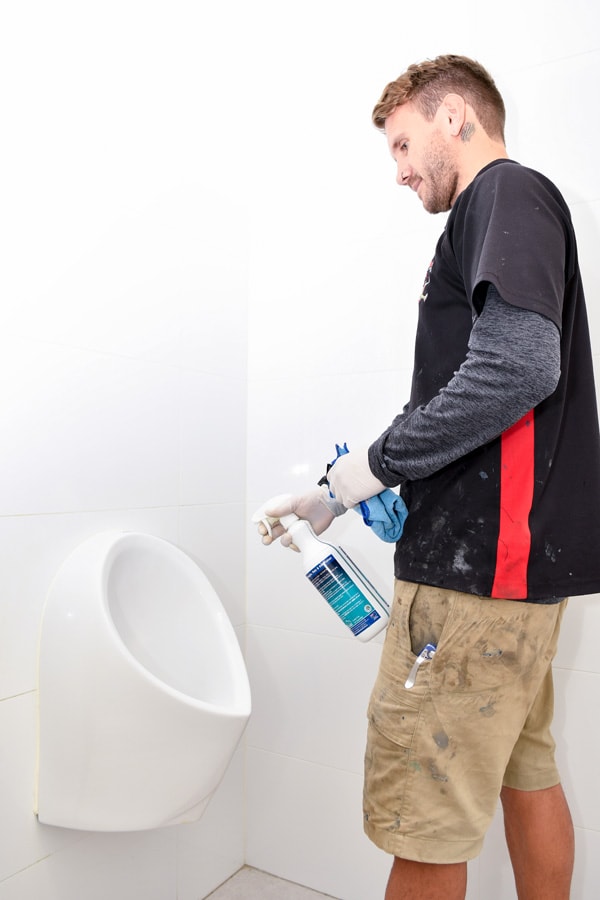
Urinal Odours

Urinal Odours

Urinal odours are not acceptable

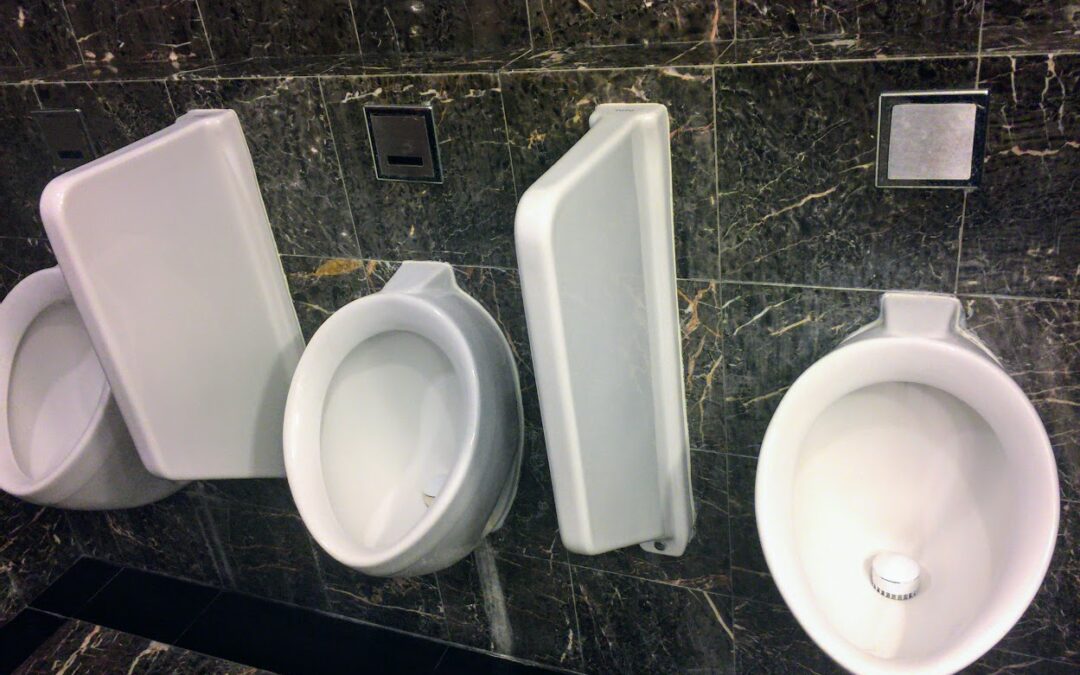
Urinal odours are too often just accepted by commercial building owners and managers. However, the reality is urinal odours should not be accepted. Most urinal odour issues result from a failure to undertake correct maintenance, and rectifying is a process of elimination.

Solving urinal odours can be time-consuming if you don’t employ an experienced plumbing company to investigate the cause of the odours. Seldom are the odours a urinal issue.

The first step in solving that infamous male public bathroom is to pinpoint the source of the odour.

Only after the source of the odour is located can the best method for eliminating the odour commence.

Your male bathroom facility should be odour free

Male public bathrooms that have the distinctive urine odour generally only have that “lovely” odour for four main reasons:

  • substandard air extraction and ventilation

  • substandard cleaning procedures

  • floor waste traps that are poorly maintained

  • urinals that are not regularly serviced and maintained

Substandard air extraction and ventilation

It is common practice for a public bathroom to have mechanical ventilation. However, poorly performing ventilation systems that remove little air create hot and humid bathrooms.

A simple trick to check the extraction fans are working is placing a piece of toilet paper over the grate. You have a problem if the paper is not sucked into the grate and falls to the floor.

If you believe you have poor air ventilation, you need to have it checked over by your air conditioning service company.

Substandard cleaning procedures

Short-cut cleaning procedures are the most common cause of urinal odours.

Frequently, this results from poor cleaning and the use of cheap chemical cleaning products such as bleach-based products.

Poor cleaning procedures are easy to detect, with brown stains in and around the urinal. Usually, there will be urine stains on the floor because many males are bad shots.

Ensuring your cleaners receive training on cleaning urinals correctly will solve multiple odours and presentation issues in a public bathroom. Trained cleaners combined with the use of good quality urinal cleaning products such as Aquatemp Spray & Go Urinal Cleaner & Deodoriser will significantly reduce urinal odours.

Odours emitting from the floors around urinals are common, especially with water-flushing urinals. This is created by water mist combined with urine settling on the floor in the tile grout. If the floors are not cleaned correctly, this bacteria will multiply continuously and rapidly. Cleaning the floors with specialist bathroom cleaning products that are not bleach-based will eventually eliminate urinal odours in the floor tiles.

Odour-creating bacteria breed and flourish in water. It’s been scientifically proven that public bathrooms with waterless urinals have significantly lower bacteria counts than those equipped with water-flushing urinals.

Floor waste traps that are poorly maintained

Floor wastes in a male public bathroom should only be connected to the basins. Disappointingly this is not always the case, especially in older buildings.

One of the first things to check when locating the source of urinal odours is to check that the urinals are not connected to a floor waste. If the urinals are connected to a floor waste, then you need to install a one-way valve into the floor waste to stop odour emissions.

Another common odour issue with floor waste drains is that the grates and pipes are never cleaned, allowing bacteria buildup. Frequently this will be accompanied by poor ventilation, which helps the odour-causing bacteria to multiply and thrive.

Once again, this links back to correct cleaning procedures when cleaning the floors. That is why we recommend cleaning the floors with specialist floor cleaning products that do not contain bleach which will eliminate urinal odours in the floor tiles and floor waste grates.

Urinals that are not regularly serviced & maintained

Many building owners and managers either fail to maintain their urinals or outsource their urinal servicing to cleaning and hygiene companies to reduce costs.

Not maintaining urinals only ensures you will create more significant problems later.

Outsourcing urinal servicing to cleaning and hygiene companies is illegal as they cannot do any work on urinals besides cleaning them.

All urinals must be serviced and maintained correctly and legally compliantly as per the WaterMark certification for the urinals in accordance with the manufacturer’s instructions.

Only plumbers are licensed to undertake urinal servicing by the Queensland Government plumbing regulator, the QBCC. This is because the QBCC are legally required to protect public health and safety under Queensland’s plumbing and drainage licensing system.

Once again, far too many building managers will outsource urinal servicing to companies such as Desert Eco Solutions. Instead, Desert uses cheap, inferior substitute parts that guarantee you will experience urinal odours.

Under Queensland law and the WaterMark approval system on all urinals, it is illegal to use substitute parts. This means any parts, not the genuine WaterMark, tested and approved components for each urinal model under their WaterMark approval.

How to prevent urinal odours

At Whywait Plumbing, we are specialists in ensuring your bathroom facilities and urinals are in a healthy environment.

Our product range and specialised services ensure your urinals are compliantly maintained, hygienic, and have an odour-free experience for your employees and clients.

We guarantee that urinal odours can be eliminated by following the correct cleaning and maintenance procedures.

Specialist urinal cleaning products

We use for all urinal servicing and recommend to all building owners and managers that they use Aquatemp’s uniquely formulated anti-bacterial RTU Spray & Go Urinal Cleaner & Deodoriser. It is a powerful three-in-one urinal cleaner, sanitiser, deodoriser and disinfectant. It eliminates odours and cleans porcelain, fibreglass and stainless steel surfaces with a unique surfactant technology that sanitises and disinfects every surface.

Spray & Go is a powerful disinfectant that kills bacteria and viruses when sprayed onto the urinal surface. It is specifically formulated for all urinals, including Uridan, Caroma, ZeroFlush, Urimat, Arid, Desert, Falcon and most other brands.

Make urinal odours your past not your future

After deep diving into the intricacies of tackling urinal odours, it becomes clear that maintaining a pleasant and odour-free public bathroom is much more than just a regular cleaning routine. Through an intelligent synthesis of modern innovations like Zeroflush urinals, which fundamentally minimise the creation of odours, coupled with meticulous upkeep strategies, we can pave the way to more sanitary and agreeable public bathroom experiences.

It’s an ongoing process, a commitment to hygiene and user comfort. The convergence of modern technology and a comprehensive approach to cleanliness promises a future where unpleasant odours in public toilets are no longer the norm but a rarity.

Let Whywait Plumbing assist you in moving forward with a renewed dedication to fostering public bathroom environments that echo cleanliness, respect, and foresight, embracing practical solutions that are sustainable and considerate to all users.

Water hammer or banging pipes aren’t just annoying they’re a warning of bigger problems

Water hammer or banging pipes aren’t just annoying they’re a warning of bigger problems

What is water hammer?

Water hammer or banging pipes are different faults with your water reticulation system.

 In theory, you should never hear the water moving through your hot or cold pipes. Instead, all you should listen to is the water flow from the tap or fixture in the room it’s installed in.

 Essentially water hammer is a shock wave created inside your piping.

What are the causes?

Plumbing is essentially the movement of water through pipes. It, therefore, has the potential to be noise-creating and create what is referred to as a water hammer.

Water hammer that is noticeable occurs with copper water pipes. But plastic water pipes also suffer from water hammer, and it’s harder to hear.

Water hammer audible noise in copper pipes is generated primarily by:

  • High water pressure

  • Quick closing mixer taps

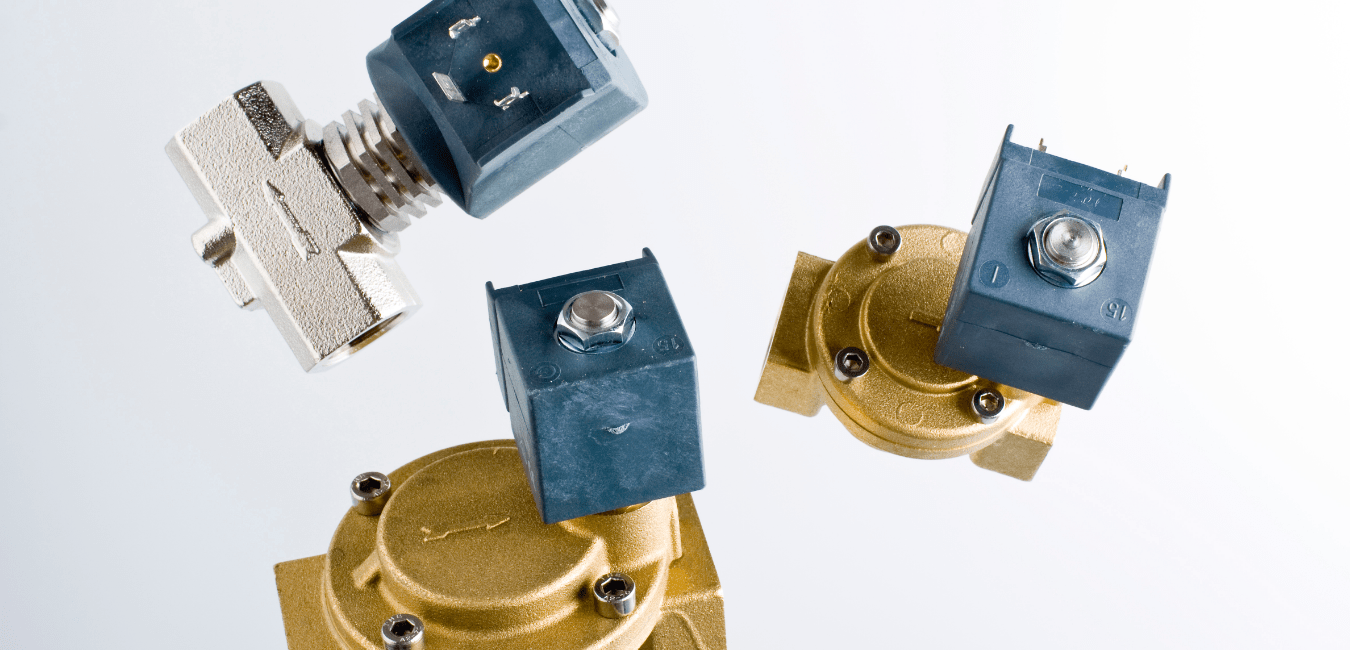
  • Quick closing solenoid valves

  • Faulty or worn brass seats in taps

  • Broken tap washers

  • Airlocks in pipes

  • Shock waves in pipes

Common noise complaints

  • Sharp banging or hammering sounds coming from pipes

  • A series of loud bangs when the washing machine or dishwasher is in operation

  • A loud bang from a valve or tap

  • Audible ticking sounds that diminish after the tap is turned on

An intense banging or hammering results from faulty valves, defective mixer taps, defective solenoid valves, broken taps or broken tap washers or poor clipping of pipes.

 A series of loud bangs while using the washing machine or dishwasher is caused by the machine’s instantaneous opening and closing of the solenoid valves as it traverses through its cycle.

Excessive water pressure can accentuate all of these causes as water pressure legally cannot exceed 500kPa inside the building.

 The ticking sound can build up and then diminish and are the sounds generated by pipe expansion. This is caused by the pipe heating up when the hot tap is turned on as the hot water replaces the cold water and then cools down.

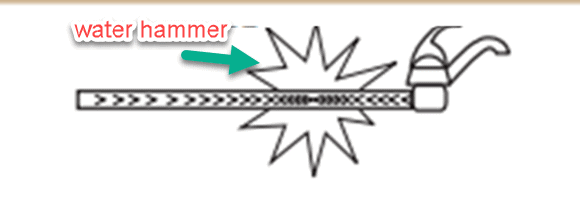
The bangs you hear are from a shock wave

Water hammer will occur much more if your pressure is excessive. The common causes of water hammer are quick closing mixer taps or solenoid valves on washing machines and dishwashers.

In the picture above, the shock wave is generated at the face of a quick closing mixer tap because the flow of water moving under pressure is stopped suddenly by the instant turning off of the mixer tap. The shock wave then ricochets back from the face of the mixer tap cartridge through the stationary water in the pipe.  As a result, the shock wave creates enormous pressure moving at 1280 meters per second through the pipe.

 This same effect is replicated more intensely by the solenoid valves in your washing machine and dishwasher. Unlike mixer taps, they instantly open and shut as your machine moves through cycles.

Water hammer is an early warning alert

All of the sounds or the audible noise commonly referred to as water hammer tend to be highlighted in copper water pipes. Water hammer still exists in plastic piping systems, but it is diminished significantly as the plastic pipe absorbs the sounds.

 Your plumbing reticulation pipes, taps, valves and appliances are all susceptible to damage caused by the impact of shock waves, even if you hear no noise.

 The noise is essentially an early warning system telling you to rectify the problem before damage occurs.

Rectification is possible

Water hammer is avoidable and can be rectified regardless of whether you have copper or plastic water reticulation piping.

Banging or noisy pipes usually occur when the water reticulation pipes have not been clipped correctly as per AS/NZS 3500.1: 2018 when the house was initially constructed. This can be much more challenging to rectify compared to a water hammer.

To prevent damage to plumbing pipes, taps, fixtures, hot water valves and appliances, the water hammer’s noise and shock wave elements need to be eliminated.

The noise element is auditory. For example, when you turn off a tap or your washing machine is running, the loud bang of a water hammer alerts you to water hammer problems. Without the noise, there will be no indication of a problem until the damage is caused or your home is flooded by a burst flexihose or appliance hose.

The elimination of the water hammer eliminates the shock waves, which impose undesirable stresses on reticulation pipes, flexihoses and appliances.

Are these tiny flies coming out of my bathroom drains drain flies?

Are these tiny flies coming out of my bathroom drains drain flies?

Yes the tiny flies in your bathroom are drain flies

As a Service Partner client, Lynette recently sent me a photo of her bathroom floor covered in tiny flies. It didn’t take me long to identify them as drain flies, which thrive in warm temperatures above 20°C, especially in spring and summer. Unfortunately, Lynette’s attempts to kill them were futile, as the flies kept coming back.

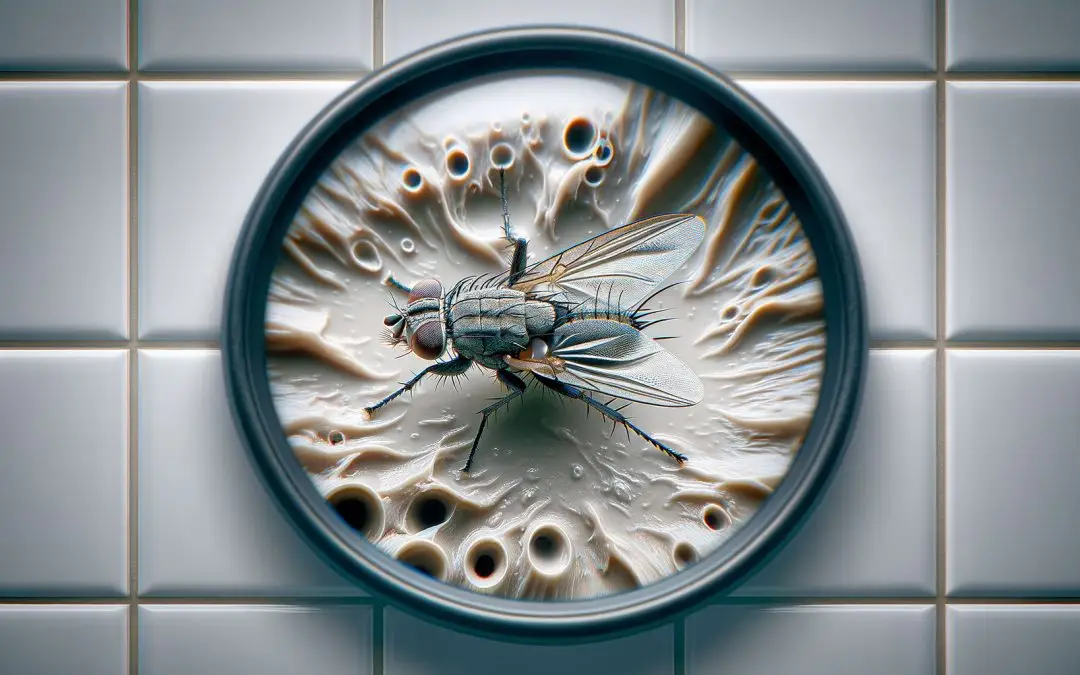
She was baffled and frustrated that they only appeared in one bathroom, accumulating on the walls and floor while absent in the rest of the house. The photo above shows the astounding number of flies that can exist in a small area.

Cleaning your bathroom won’t eliminate these pesky flies

Despite her rigorous cleaning routine, Lynette was fed up with the drain flies persistence.

She tried using a strong bleach cleaner, but the flies returned the next day, as she’d heard from others in a similar predicament.

Finally, a friend suggested pouring a 2.5-litre container of bleach down the drains to eliminate the flies within 24 hours, but the flies remained even after Lynette followed this advice.

Identifying drain flies in your home

Drain flies can be unsightly and frustrating, but they pose no health or property damage risks. They don’t bite or transmit diseases, nor do they ruin clothes, towels, or linen.

The problem lies in their ability to breed quickly, causing frustration for homeowners like Lynette. Unfortunately, the more she killed, the more seemed to emerge.

The flies are small, at only 3-4mm in length, with dark grey bodies and hairy moth-like wings that dominate their body size, as shown in the photo below.

Solving the mystery of why drain flies only appear in bathrooms?

If you’re not on an acreage with a septic tank or sewer treatment plant, your only encounter with these annoying flies is probably in your bathroom. These flies are prolific breeders in septic tanks and treatment plants but tend to stay near their food source.

During the day, bathroom flies often sit on walls or under the vanity basin or ceiling. However, they are more active at night, so you may not see them flying or emerging from your floor waste drain.

Despite being poor fliers, drain flies can travel long distances of 3-5km, carried by the wind away from septic tanks or treatment plants. They can enter your home through your insect screens since they are small enough to fit through the holes in the mesh. Ultimately, they will seek out your bathroom floor waste drains as a food and breeding source.

The drain fly dilemma where do they live and breed?

Drain flies are weak fliers, never straying far from the bathroom floor waste drain, causing them to be exclusively found in bathrooms.

Infestations occur when temperatures exceed 20°C in spring. Drain flies multiply rapidly as their life cycle is 1-3 weeks from egg to adult. Eggs hatch within 48 hours, becoming larvae that mature within 12 days, feeding on decaying organic matter in the bathroom floor waste drain. The adult flies emerge from the drain at night, living no more than two weeks.

Tiny insects, big headache: Tips for eliminating drain flies from your​ bathroom?

Removing breeding sites in bathroom drains is the best way to control and eliminate drain flies. Bleach can help with minor infestations but not major ones, which require sealing and cleaning of the floor waste trap.

Our experience has shown that cleaning the area around the floor waste, and inside the drain, with Enzyme Wizard All Purpose Surface Spray will sanitise and disinfect the breeding ground and food source of drain flies.

If you’re struggling with persistent drain fly infestations, call us at Whywait Plumbing on (07) 5580 4311 to book a service call. We’ll eliminate them for good.

Tree Roots in Sewer Drains

Tree Roots in Sewer Drains

Tree roots in sewer drains have legal rights

Tree roots in sewer drains are an issue we are confronted with every week. They can be confronting for plumbers as we are frequently faced with situations where clients want us to give quasi-legal rulings on non-compliance of tree roots in the sewer drains where there is, in reality, no black-or-white answer. The truth is there are multiple opinions in multiple shades of grey.

A perennial issue for all plumbers as long as I can remember is the issues created by trees and tree roots. Trees can significantly damage plumbing infrastructure, mainly underground water pipes and drains. Often the damage has been slowly occurring over many years before you are affected.

A common issue we are confronted with, numerous times every month, is tree roots in sewer drains and stormwater drains.

A fact that some people fail to grasp is that tree roots don’t respect or understand property boundaries. Trees grow, and their tree roots search for water and nutrients from the soil. Regrettably, your sewer drains are a great source of water and nutrients for tree roots. So your broken drains are the ultimate party time for trees.

tree roots in sewer drains

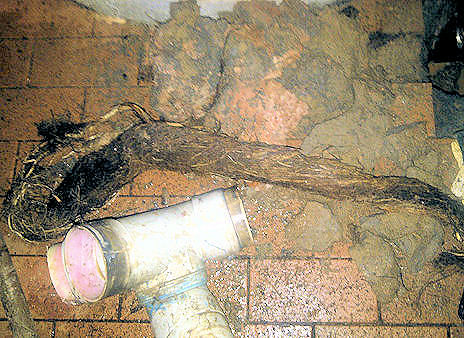
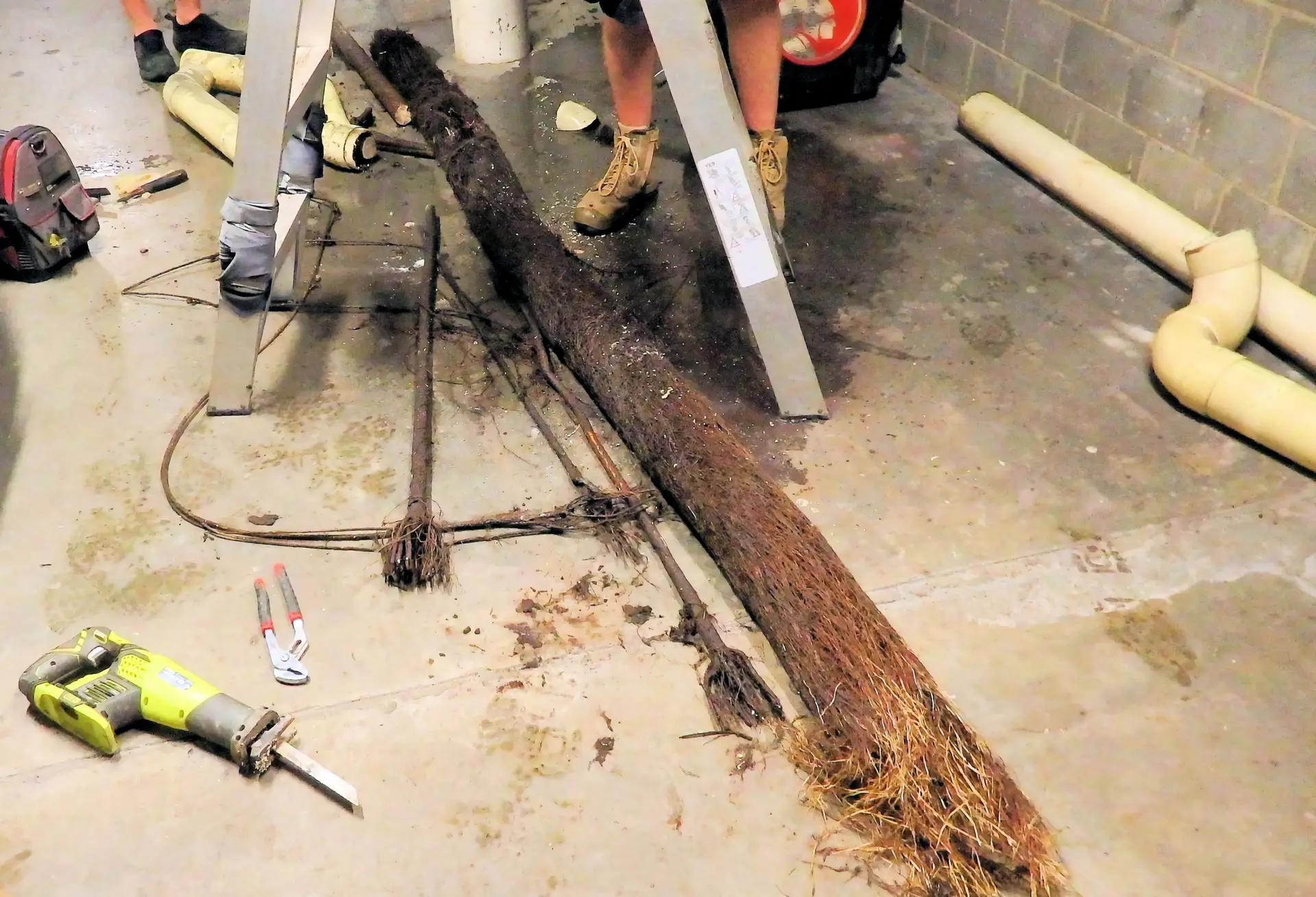
The photo above perfectly shows how far tree roots will infiltrate a drain. These tree roots we removed from a stormwater drain had infiltrated 42 meters down the drain and were causing flooding to the property every time there was a rainfall event.

These tree roots came from multiple trees situated in multiple surrounding properties. The roots infiltrated the drain in multiple locations where the pipe was cracked and broken. Broken pipes are how tree roots infiltrate a drain. Tree roots by themselves cannot break a pipe open.

Large trees are a source of neighbourhood disputes

Recently, the Gold Coast has allowed urban blocks to become smaller and smaller.  Over the years, as the trees in landscaped urban blocks mature, problems begin to occur. Any large tree can become a natural source of angst and stress. This results in trees becoming a source of disagreements between otherwise friendly neighbours, with the most common disputes being:

  • Branches overhanging the boundary fence and pushing over dividing fences
  • Branches, fruit and leaf litter dropping into the neighbouring property
  • Roots causing damage to underground drains, water mains, electrical conduits and telecommunications conduits
  • Roots damaging fences, walls, house foundations and concrete paths and driveways
  • Branches blocking sunlight for solar PV panels, solar hot water panels, windows, Foxtel microwave dishes and TV aerials

Issues with branches are visible to everyone, so they are generally much easier to resolve. In most instants, an amicable discussion with your neighbour can resolve most branch issues as there is a common interest.

Roots in sewer drains or stormwater drains are vastly different. These underground root infiltrations are neither visible nor easily traceable to their source. 

Tree roots in sewer drains & stormwater drains

When we find your drain blocked with tree roots, multiple roots are often inside the drain causing the blockage. Without an extensive horticultural investigation to determine the type of tree the roots are from, no one can ascertain which tree’s roots have infiltrated your drain and where the tree roots originate from.

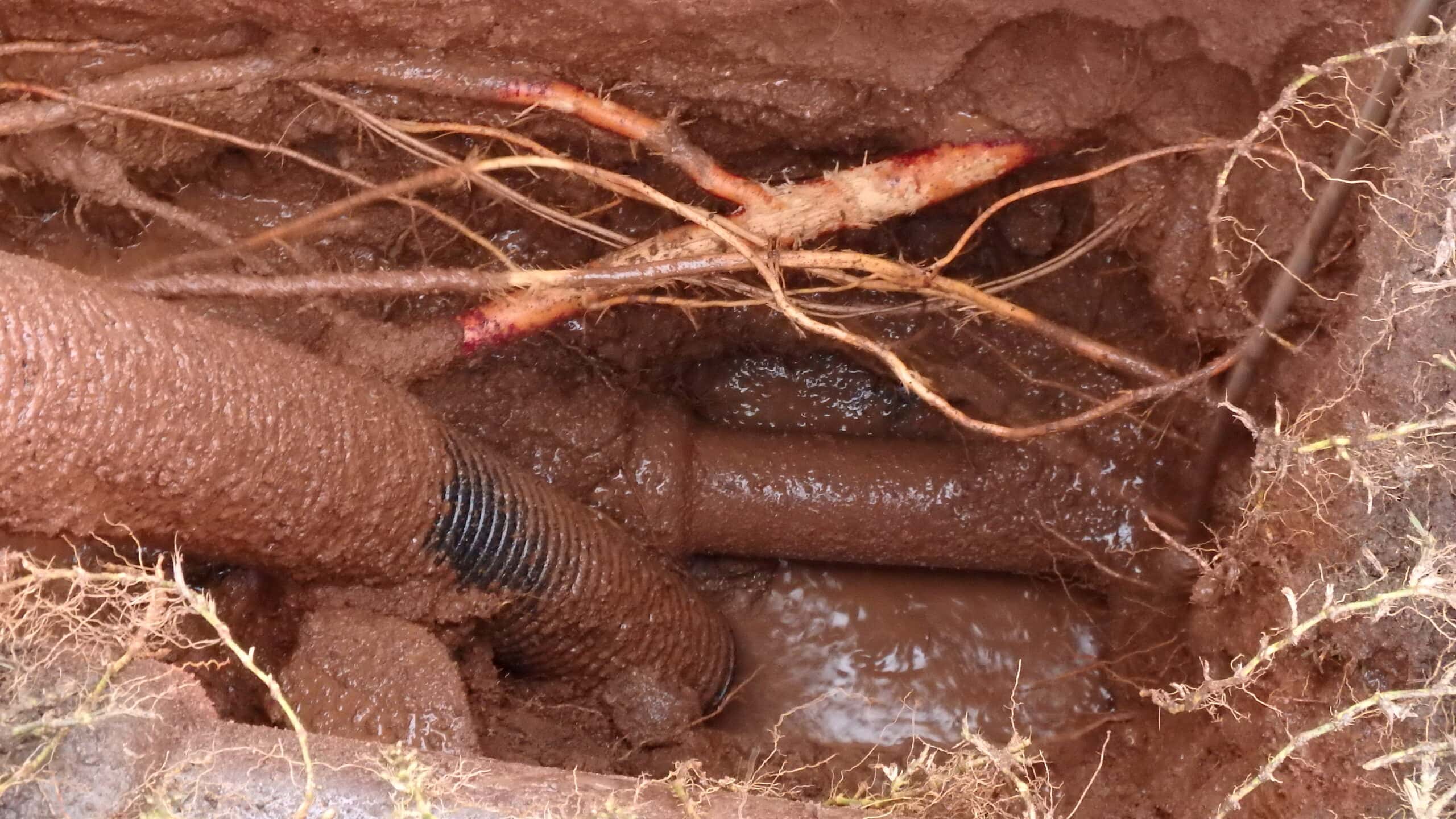
As you can see in the photo above, where we have undertaken vacuum excavation of a drain, the roots are everywhere around the sewer pipe. In addition, it is visible that there are multiple roots of varying sizes and tree types.

Contrary to multiple urban myths, tree roots do not break drains whether the drain is installed in PVC pipe or earthenware pipe.

Yes, in old earthenware, tree roots will infiltrate the drain around the rubber ring joints over time, but that is because of movement in the ground that enable the roots to infiltrate slowly over a number of years.

With PVC drains, tree roots can’t break open pipes or fittings. In every instant I have seen, the drain was broken, usually on a bend or junction that allowed the roots to infiltrate the drain. In just about every instant we come across broken PVC drains, it is our opinion the drain was damaged during the initial installation of the drain at the time of construction.

It is almost impossible to prevent tree roots from entering a broken drain without repairing the drain. This is where we commonly see the problems originating with neighbour disputes. It is not unusual to have clients misinterpret what we inform them and attempt to put words in our mouths as to whom is responsible for clearing the blocked drain and repairing the damaged drain.

The law concerning tree roots in sewer drains

If you have no trees on your property and your neighbour has a fully landscaped garden full of trees, then yes, it’s likely the neighbour is responsible.

Having been drawn into these arguments between neighbours on several occasions over the years, I highly recommend that you try to resolve the issue tactfully with your neighbour before things get out of hand. I can assure you this is always quicker, cheaper and much less stressful than taking legal action, which will ultimately end up in mediation after spending a small fortune with a solicitor.

From the legal perspective, the Neighbourhood Disputes (Dividing Fences and Trees) Act 2011 is legislation relating to trees. The legislation requires that you determine who has the responsibility for the tree. However, if the tree is on the boundary, both parties will have responsibility equivalent to the number of trees on each property.

Trees have legal rights

You must know that you cannot take the law into your own hands where trees are concerned. You cannot remove a tree outside your property that you believe is damaging your property. Legally all you can do is remove overhanging branches up to the boundary.

If you back onto a City of Gold Coast public park or reserve, you must contact the council about the problems as many trees in public parks are protected.

Before planting any large trees on your property, you should consider the height they will grow to when they mature and where their roots can spread. Similarly, assessing neighbouring trees with your neighbour now may prevent property damage and large bills in the future.

Ultimately your house is your primary asset, and it is in your interests to protect your investment but remember trees have rights to, and just cannot be chopped down for no reason if they are not on your property.

CALL NOW
CALL NOW