Whywait Plumbing Services Logo

OFFICE HOURS

Mon to Fri 7.30am – 4pm
24-Hour EMERGENCY SERVICE

CALL 7 DAYS FOR SERVICE!

YOUR TRUSTED GOLD COAST PLUMBERS & GAS FITTERS

OFFICE HOURS
Mon – Sun 7.30am – 4pm
24 Hr Emergency Service

Plumbing Terminology 101: A Beginner’s Guide to Understand the Jargon

Plumbing Terminology 101: A Beginner’s Guide to Understand the Jargon

Deciphering the Plumber’s Jargon: A Glossary for the Uninitiated in Plumbing Terminology

Have you ever nodded along to a plumber’s explanation, only to realise you’ve been swept away by a tidal wave of terms like “TMV” or “S-trap”? Plumbing lingo can feel like a foreign language—but fear not!

At Whywait Plumbing, we understand the journey from confusion to confidence with Whywait. Our comprehensive glossary of plumbing terminology is here to guide you. Say goodbye to faking your way through conversations and start understanding the essential jargon that plumbers use daily. We’re here to reassure you that you can master this.

So, before you ask someone to “pass the shifter,” let’s unravel the mysteries of valves, traps, and pipes, one term at a time! Don’t hesitate to ask questions or seek clarification if any term seems confusing. We’re here to help!

The Language of Pipes and Valves: Decoding “Plumberese”

Ever feel like plumbers are speaking an entirely different language? Fear not—we’re here to break down the jargon into plain English with a touch of humour.

Learning about pipes and valves doesn’t have to be boring. Dive into this handy glossary and have fun impressing your plumber next time they use words like “nipple” or “aerator.”

Septic tank: Think of it as a subterranean cafeteria where bacteria dine on your leftovers, churning out clearer water and keeping solid waste in detention. An underground tank that treats household toilet wastewater, separating solids and liquids, requiring periodic pumping.

Aerator: The unsung hero at your tap’s end, it’s like a mini tornado mixing air into your water, giving you a gentle flow and cutting down on the splashy chaos.

M&F Fitting: Plumbing’s version of a dynamic duo, it’s the one piece with a bit of an identity crisis – half macho with its male end, half gracious with its female end, coming together to keep your pipes in perfect harmony. Simply a connector with both male (external thread) and female (internal thread) ends to join pipes or fittings.

Nipple: A modest name for a vital piece — this short pipe is the connective tissue between the plumbing world’s organs, joining fixtures with the finesse of a surgical stitch.

Trap: Far from a trap in the conventional sense, this U-shaped pipe is your domestic sentinel, guarding your abode against the odorous perils of the sewer.

Backflow Prevention: The stalwart defender of your water supply, ensuring your clean water doesn’t get an unwelcome visit from its already-drained counterparts.

O-Ring: This little loop of rubber is the secret agent in your plumbing world, going undercover to make sure water only goes where it’s supposed to, being a circular gasket made of rubber or other synthetic materials used to create a watertight seal.

Ball Valve: With a simple turn, this spherical maestro can orchestrate the flow of water like a conductor with a baton.

Check Valve: The gatekeeper that ensures water doesn’t get any ideas about reversing its course, enforcing a strict ‘no return’ policy.

Plumber’s Tape (Teflon Tape): This humble white, pink, grey or yellow strip may not look like much, but it’s the seal that whispers “no leaks today” to your threaded pipe connections.

Overflow: That little spy-hole in your vanity basin playing hero, keeping your bathroom from turning into a miniature lake when you’re daydreaming with the tap left on that prevents a basin from overfilling. You can probably see one in your bathroom basin — it’s a small hole in the bowl of the basin that connects to the basin drain.

By understanding these terms, you’ll not only decode the mysterious world of “plumberese” but also gain a newfound appreciation for the complexity of plumbing systems. This practical knowledge can help you communicate effectively with your plumber and make informed decisions about your home’s plumbing needs. So, the next time your plumber talks about “nipples” and “check valves,” you’ll be ready!

Special Mentions: Noteworthy Plumbing Essentials

Plumbing is a diverse field, encompassing more than just pipes and taps. It’s a world of specialised components, from clever gadgets to eco-friendly innovations, that work together to keep your home running smoothly. Here are some standout plumbing essentials that showcase this diversity:

P-trap & S-trap: Plumbing’s own superheroes, shaping pipes like letters to trap bad odours down below where they belong.

Bottle Trap: The sleek cousin of P and S traps, fitting snugly under your basin to keep the stink in check without cramping your style.

Water Hammer: Not a tool, but a domestic percussion you’d prefer not to hear — the alarming BANG in your pipes when water’s abruptly cut off.

Water Meter: This device ticks quietly at the boundary line of your property, dutifully recording your water usage like a silent accountant.

Bidet: The European import that’s making a splash, refreshing in a way that toilet paper just can’t match.

Waste Disposal or Garbage Disposal Unit: Your kitchen sink’s appetite for leftovers, this gadget munches on food scraps and sends them off to sewer school. Often called an InSinkErator, it grinds up food scraps for easy disposal through the sewage system, promoting environmental sustainability.

Boundary IOS: It connects your private sewer to the public one and should stand proudly at ground level, not hidden like buried treasure.

Overflow Relief Gully or ORG: A failsafe that ensures your home isn’t the next venue for an impromptu indoor pool party courtesy of a sewage overflow.

Overflow Relief Cap or ORC: The little hat for your plumbing that keeps rainwater from crashing the sewer party uninvited designed to prevent rainwater from infiltrating the sewer system via non-compliant ORGs.

Floor Waste: Not just a hole in the ground, but an escape route for water in your bathrooms and laundries, preventing indoor floods.

Cistern & Pan: The Bonnie and Clyde of toilet fixtures, one houses the water for the flush, and the other takes the hit.

Mini Stop: A miniature hero allowing you to isolate the water to your cistern should your toilet go rogue and stage a leak.

Float valve: A valve that gauges the level of water in a cistern and shuts off the flow of water when it reaches a certain capacity. This valve controls the water flow in your toilet cistern.

Bioretention Basin: Nature’s own water filter for the outdoors. It uses plants and soil to clean up stormwater runoff before it goes out on the town in the local waterways. This eco-friendly basin is a landscape hero, using layers of vegetation and specialised soil to filter pollutants from runoff water. It’s a natural filtration system that cleans water as it travels to the stormwater system, protecting our waterways with a touch of green ingenuity.

Water Efficiency Certificate: It’s like a diploma for your property, proving it’s smart with water. Get this, and you can charge tenants for their water usage, encouraging everyone to go easy on the H2O. This certificate is essential for landlords, verifying that a property is water-wise. It allows the cost of water consumption to be billed to tenants, promoting water conservation and ensuring fair distribution of water expenses.

These plumbing essentials might not always be in the spotlight, but they are crucial in keeping your home efficient, safe, and eco-friendly. By understanding and maintaining these components, you’ll ensure the smooth operation of your home and contribute to a safer and more sustainable environment.

The next time you encounter plumbing jargon, you’ll know exactly what it means—and maybe even impress your plumber!

The Safety Squad

Step into the world of your plumbing, where a team of elite components works tirelessly behind the scenes. They are the unsung heroes, ensuring safety, efficiency, and reliability in your water systems, and keeping your home safe.

TMV (Thermostatic Mixing Valve): This isn’t your average mixing device. It’s the unsung hero in hospitals and care centres, ensuring the water you bathe in doesn’t turn you into a lobster.

Tempering Valve: Think of this as the thermostat of your hot water system, a trusty guardian keeping the heat at a cozy 50°C and scalds at bay.

Pressure Reducing Valve (PRV) & Pressure Limiting Valve (PLV): Valves that regulate your system’s water pressure, preventing spikes and maintaining steady flow.

Sacrificial Anode: The noble warrior that takes the corrosion hit for your hot water system, ensuring the tank’s longevity.

Thermocouple: A vigilant sentinel within your hot water system, watching over the pilot light and cutting off the gas supply if it flickers out.

Duo Valve: The plumbing equivalent of a bouncer and a gatekeeper, this combo keeps your hot water flow in check and doesn’t let it backtrack. A dynamic tag-team of a two-in-one valve system featuring a stop tap to halt water flow and a non-return valve to prevent hot water backflow.

Cold Water Expansion Valve: This little gadget is like a pressure suit for your hot water system, keeping the expanding cold water from busting out as it heats up. A protective valve that prevents your hot water system from releasing hot water by managing the expansion and release of cold water as it heats up.

Relief Valve: The plumbing world’s pressure cooker whistle, it lets off steam (well, water really) from your hot water tank when things get too hot to handle. A safety mechanism on hot water systems that releases water when pressure or temperature exceeds safe levels.

These plumbing components work tirelessly to ensure your water systems are safe, efficient, and durable. Whether preventing scalds, managing pressure, or most importantly, protecting your hot water system from wear and tear, the Safety Squad has your back!

Wrapping Plumbing Terminology Up

While only a starting point in the vast world of plumbing terminology, this glossary is more than just a list—it’s your key to effective communication. By mastering the language of plumbing, you’ll be able to converse confidently with your trusted Whywait plumbing technician, reassuring you that your home’s plumbing is in the best hands.

If these terms leave you hungry for more knowledge or you’re facing a plumbing challenge, Whywait Plumbing is here to help. Whether you need expert advice, professional service, or someone to decode “plumberese,” we’re ready to tackle your plumbing needs, one term at a time. Contact us today to get started.

With knowledge in your toolkit, you’re no longer faking it—you’re participating. So, the next time someone mentions a TMV or a P-trap, you’ll know what it means and might even be impressed with a well-informed question. This empowerment will give you the confidence to handle any plumbing situation.

Don’t just nod along—understand the lingo and let Whywait Plumbing handle the rest. Dial (07) 5580 4311, and work together to keep your plumbing running smoothly. The only thing better than speaking the language is having the peace of mind that comes with expert service.

One term, one job, one call at a time. With us, you can relax knowing your plumbing is in good hands.

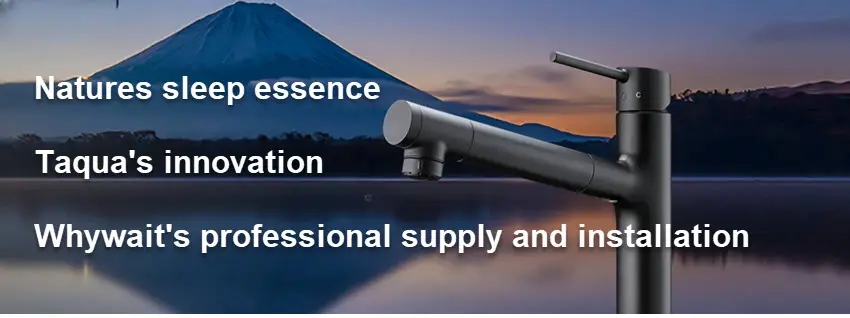
 

Discover the Taqua Taps Sleep Benefits of Quality Hydration

Discover the Taqua Taps Sleep Benefits of Quality Hydration

Your Nightcap Elixir: Discover the Taqua Taps Sleep Benefits

Greetings, water lovers and restful sleep enthusiasts. You are about to discover the Taqua taps sleep benefits.

Today, we are plumbing the literal and metaphorical depths of the world of water. We’re diving into the fascinating intersection between the quality of water you drink before bedtime and the sleep benefits it might offer. And, naturally, a noteworthy mention to our hero of the hour: Taqua water filter taps.

Hydration: The Understated Key to Dreamland

For countless generations, the adage has been to steer clear of liquids before bedtime. After all, nobody wants to play the “how many times can I visit the bathroom in one night?” game.

However, recent insights suggest that there’s more to the story. Taking a sip or two of cool, refreshing water before resting your eyes can be a game-changer.

Water is the elixir of life. Not just because we can’t live without it but because of the multitude of benefits it offers. Drinking water before settling in for the night can ensure our body is adequately hydrated. This hydration is vital for maintaining optimum oxygen levels in our system, promoting relaxation, and aiding in seamless entry to a night of deep, rejuvenating sleep.

A Nightcap Unlike Any Other

A simple, underrated secret is often overlooked in the myriad of bedtime habits and routines we swear by – a glass of refreshing water. While many have long avoided liquids before bed to prevent midnight bathroom sojourns, recent findings suggest this might be the one bedtime tradition worth revisiting.

A hydrated body might be the ideal vessel for a journey into the dream realm.

An ample supply of oxygen, courtesy of hydration, makes the bedtime transition smoother. It eases the body into a relaxed state, paving the way for deeper, undisturbed sleep—the liquid lullaby, as I like to call it.

Quality Over Quantity: The Taqua Difference

Drinking water sounds simple, but there’s a pivotal distinction to be made here – not all water is created equal. Enter Taqua taps.

While any tap can provide you with water, the quality of that water can dramatically impact its benefits. Taqua taps stand out in this domain. With their cutting-edge filtration technology, these taps ensure that every droplet you consume is devoid of impurities, contaminants, and anything that might tarnish water’s natural taste and purity. Every sip feels like it’s been drawn from a pristine mountain stream.

What does this mean for our night-time ritual? Consider this: drinking purified water ensures that you’re maximising the hydration benefits. No unwanted chemicals, no weird aftertaste – just the cool, clean hydration your body craves, especially before a long night’s rest.

The Science Behind the Sip

Diving a bit into the science of it all, hydration aids in maintaining the body’s balance. A well-hydrated body ensures adequate blood volume, facilitating the smooth transport of nutrients and oxygen to cells. This plays a crucial role at night in aiding the body’s natural repair processes. Adequate hydration also helps regulate the body’s temperature, promoting uninterrupted sleep.

But with poor quality water, these benefits could be compromised. Contaminants and impurities can introduce toxins, which the body needs to process and eliminate, possibly disrupting sleep.

Delving Deeper into the Plumbing of It All

We’ve tackled countless water-related concerns in our line of work at Whywait Plumbing. And while any tap can do the job of providing water, it’s the filter that can be the pivotal game-changer.

Installing a Taqua water filter tap transcends the ordinary plumbing task; it’s an investment. An investment in taste, health, and, as we’re discovering, possibly even an enhanced sleep experience.

Think about it this way: With an improved sleep cycle, every other facet of your life gets a boost. Better concentration, improved mood, increased productivity – the list goes on. Now imagine if all it took to access these benefits was a simple change in your water source.

Taqua’s Promise

Beyond just the health and sleep benefits, a trust factor comes with installing a Taqua tap in your home. Knowing that every drop of water passing through that tap has been meticulously filtered, offering you nothing but the best, is reassuring.

Moreover, for environmentally conscious people, Taqua taps reduce our reliance on bottled water. The need for external sources diminishes with the superior water quality at your kitchen sink. This means fewer plastic bottles, reduced carbon footprint, and a step closer to sustainable living.

Partnering with Whywait Plumbing for Your Taqua Tap Installation

For over 47 years, Whywait Plumbing has been at the forefront of providing high-quality plumbing solutions like the Taqua water filtration taps. Whywait is committed to enhancing your home’s water quality with professional Taqua tap installation.

Our team is trained to install Taqua water filtration taps efficiently, ensuring seamless integration with your home’s plumbing. Incorporating a Taqua water filtration tap into your home is more than a convenience; it’s a step towards improved health and better sleep.

Trust Whywait to bring this essential upgrade to your home as the relationship between hydration and sleep quality with the benefits of installing Taqua water filtration taps. Whywait Plumbing is the go-to service for this health-enhancing installation.

Enhance your nightly routine for better sleep and health with Taqua taps. Visit Whywait Plumbing’s Taqua Tap Installation Page or call us at (07) 5580 4311 to learn more.

Taqua Taps Sleep Benefits Are The Perfect Endnote

So, here’s a renewed bedtime mantra for all: a glass of pristine water from your Taqua tap. It’s more than just hydration; it’s a ticket to a world of rejuvenated mornings and dream-filled nights.

Sometimes, the most profound solutions are the simplest in the vast sea of sleep remedies, health tips, and wellness advice. Drinking quality water before bed is an easy ritual that might be the missing puzzle in your quest for better sleep.

While we traverse countless sleep remedies and rituals, the magic might just be flowing from our taps – provided it’s filtered to perfection. And for that impeccable glass of night-time water, you now know the name to trust.

Wishing you restful nights and energised mornings.

Taqua taps sleep benefits
ZeroFlush Waterless Urinals: The Future of Water Conservation and Sustainability

ZeroFlush Waterless Urinals: The Future of Water Conservation and Sustainability

Waterless Urinals the Future of Water Conservation

In today’s rapidly changing climate landscape, water conservation has become more than just a consideration—it’s a necessity. Pioneering the movement towards responsible water usage, ZeroFlush waterless urinals emerge as the future solution, fusing innovation with responsibility.

The Growing Concern of Water Scarcity

According to the World Resources Institute, more than a quarter of the world’s population faces high water stress, which is expected to rise with the progressing impacts of climate change. With growing urban populations and increased agricultural demands, the stress on our freshwater resources is undeniable.

ZeroFlush Waterless Urinals Leading the Way in Water Savings

Traditional flushing urinals can consume up to 15140 litres of water yearly. By stark contrast, ZeroFlush’s waterless design saves this significant volume per unit annually. Just imagine: installing a single ZeroFlush waterless urinal in a busy commercial space can save as much water as an Olympic size pool over its lifetime!

The Eco-Friendly and Economic Choice

Carbon Footprint Reduction: Traditional urinals not only consume water but also indirectly increase energy use. Treating and pumping water is energy-intensive, translating to higher carbon emissions. ZeroFlush’s waterless design slashes these emissions, contributing to a greener planet.

Cost Savings: Whywait Plumbing, as a respected industry voice, has long advocated for eco-friendly and cost-effective solutions. We affirm that with reduced water and energy bills, businesses can expect significant savings by transitioning to ZeroFlush.

Climate Change: Adapting and Mitigating

As droughts become more frequent and water scarcity affects even historically water-rich areas, solutions like ZeroFlush waterless urinals aren’t just innovative; they are essential. Their technology helps businesses and communities better adapt to a changing climate, ensuring functionality even during water cut-offs or restrictions.

The Hygiene and Maintenance Advantage

Advanced Design: ZeroFlush waterless urinals employ an intelligent design that minimises odours, reducing the need for frequent cleanings and the use of harsh chemicals. This not only conserves water but also contributes to a healthier restroom environment.

Endorsement by Whywait Plumbing: Renowned for its commitment to efficient and sustainable plumbing solutions, Whywait Plumbing recommends ZeroFlush for its superior design and ease of maintenance. They often underline how these urinals cut down on long-term maintenance costs, further emphasising their economic advantage.

Advocacy and Education: A Role for All

Advocacy becomes crucial as consumers and businesses increasingly recognise the need for water conservation. At Whywait Plumbing, apart from providing plumbing solutions, we actively educate our clientele about the myriad benefits of transitioning to waterless systems. ZeroFlush’s impressive water-saving stats and undeniable environmental benefits often stand out as prime examples in their advocacy.

A Commitment to Sustainability

Choosing ZeroFlush goes beyond just product selection—it’s a commitment to a sustainable future. ZeroFlush waterless urinals present a compelling case for businesses, institutions, and public spaces everywhere by saving precious water, reducing carbon footprints, ensuring hygiene, and cutting costs.

Let’s usher in an era of conscious conservation. With industry experts like Whywait Plumbing championing the cause and innovative solutions like ZeroFlush leading the charge, a sustainable, water-secure future is within reach.

Waterless Urinal Benefits Are Reality with ZeroFlush
Bathroom Renovation Costs Don’t Need to Blow Out

Bathroom Renovation Costs Don’t Need to Blow Out

Planning now ensures you don’t blow your budget

When it comes to bathroom renovations, one of the biggest concerns for homeowners is cost. It’s no secret that these projects can quickly add up, leaving you with a hefty bill and a less-than-ideal outcome. But at Whywait Plumbing, we’re here to tell you that bathroom renovation costs don’t need to blow out of proportion.

First and foremost, you must clearly know what you want before you begin the renovation process. This means deciding on a specific design, layout, and materials. A clear plan will help you stay within budget and avoid costly changes or additions.

Another tip for keeping costs down is to focus on the essentials. While you may be tempted to splurge on fancy features, the basics often make the most significant impact. For example, you can create a beautiful, functional bathroom without breaking the bank by prioritising functional elements such as a new toilet, sink, and shower.

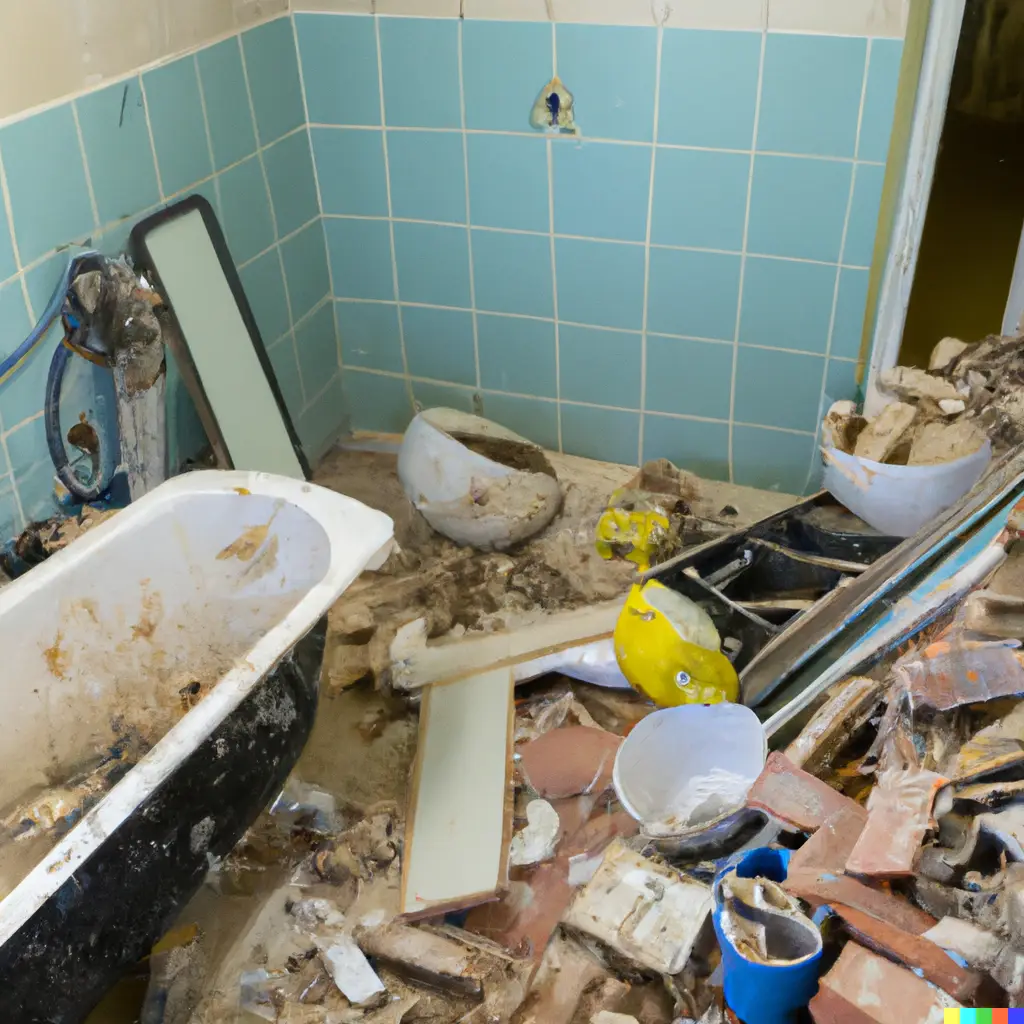
There is no disguising a bathroom in need of renovation

We have prepared a few tips and advice to help you keep costs down and maximise your budget when renovating your bathroom. Increasingly we are observing the simple fact that there is no disguising a bathroom needing renovation. These bathrooms have some or many of the following abominably dated features:

  • peach or pea green tiles,
  • failing grouting in floors and walls,
  • mould damage to the ceiling,
  • bathroom carpet,
  • gold plated taps with fake glass handles,
  • poor use of space,
  • wallpaper that looks like a ’70s disco freak chose it.

All of the above were standard design traits in bathrooms dating back over 10 years and often 25 years.

 For better or worse, bathrooms are a place for people to stamp their creative mark on a home.

 Often it was inexplicable to what they were trying to create with bizarre combinations such as black tiled walls and red-painted ceilings.

Bathrooms by their design and use factors are prone to failure over time

Generally, a bathroom needs some form of renovation after around five years, depending on how frequently it is used.

 But bathroom renovations do not have to be designer-level expensive affairs.

If you plan and know what you are doing, keeping a lid on bathroom renovation costs is not hard.

 Below are listed seven issues to be seriously considered so your bathroom renovation costs do not blow out:

1: Assess how much you need to change

The more you want to change, the more expensive the project will be. That is a guarantee.

If you are on a tight budget, you can still make a surprising difference to the look of a bathroom by just replacing tap handles, painting the walls and ceiling, plus sticking up shampoo shelves, towel rails or a lovely new mirror. All of which you could probably manage, provided you know what you are doing.

Re-tiling of floors and walls will cost a fair bit more. Still, surprisingly economical coating options are applied directly over existing tiles, reducing costs by reducing the amount of demolition work required.

Always be aware that anything involving electrical or plumbing fixtures, relocating fixtures, or adding new ones will cost considerably more.

Bathroom Renovation Costs Don’t Need to Blow Out

2: Reuse or recycle fittings and fixtures

If it isn’t broken, don’t fix it rule applies. If there is nothing wrong with the existing fittings or fixtures, you can save a lot of money and unnecessary waste by resisting the overwhelming temptation to replace them.

 If you think about ways you can style and theme the bathroom to utilise what you already have installed and focus on the worst aspects of your bathroom.

 Old-style taps can be replaced relatively economically and efficiently.

 If your bath and vanity basin have been seriously abused over the years, it is possible to have them re-coated and to look like new for less than outright replacement.

 Vanity unit cupboard doors and draws can be replaced for much less than the outright replacement of the entire vanity.

3: Do not move plumbing fixtures

Relocating or adding new plumbing fixtures can be expensive.

Most homes are built on a concrete slab which makes relocating or adding extra plumbing fixtures much more expensive.

As much as possible, focus on reusing the existing water supply and drainage connection for your toilet, shower, bath, vanity basin and floor waste, as this will keep plumbing costs under control.

Bathroom Renovation Costs Don’t Need to Blow Out call Whywait Plumbing

4: Shop around for materials

This may sound obvious, but it requires discipline.

If you have the time and inclination, you will save a small fortune by shopping around and buying the necessary materials, fittings and fixtures.

If you are shopping, make sure you have done your homework and know exactly what you are looking for. For example, there is a considerable difference between wall and floor tiles.

Buying a bath with a centre waste to replace one with a waste at one end will cost you more to install.

Replacing a toilet requires that you know whether it uses an S or P trap outlet or whether the water connection is concealed or bottom linked.

Any paint for bathroom walls needs to be suitable for use in bathrooms so that your walls are resistant to moisture.

If you are supplying the fixtures and fittings, ensure everything is ready and available when renovation starts to prevent delays. Delays in fixtures being available will translate into increased costs.

Bathroom Renovation Costs Don’t Need to Blow Out get advice from Whywait Plumbing

5: Get your hands dirty

If you are willing and able, you can save a lot on labour costs by doing some of the work yourself and project managing the renovation.

Likely, you will still need to hire licensed contractors such as plumbers, electricians, waterproofers, and tilers for the renovation project. Still, volunteering to do manual work, such as demolition, will translate into lower labour costs.

Without exception, any discussion about what you can do yourself has to include a big, flashing neon warning. You cannot cut corners on some things and do it yourself. Licensed professional contractors MUST do waterproofing, plumbing and electrical work.

Doing it any other way is guaranteed to be illegal, substandard, dangerous, non-insurable and without the protections of a warranty.

Never believe handymen who tell you they can do everything.

It is also essential that you are confident before you start working that there is not any asbestos in your bathroom. Asbestos sheeting was very commonly used in bathrooms up until the late 1970s, and exposure to it can lead to cancer, so you will need to have asbestos removed by a specialist contractor using the correct safety gear who will dispose of it legally.

6: Plan very carefully and avoid variations

Careful planning and having an exact idea of what you want to achieve, what you are getting and how everything will be done before you sign any contract with a contractor will ensure you’re not stung with hefty fees for necessary changes.

Suppose you use a builder to manage your bathroom renovation. In that case, it is guaranteed he will charge over the odds for variations to a contract if you have made a selection mistake or want to change your layout or add additional fixtures.

Many builders will come in with a low quote to prey on clients who are not clear on their plans and have not prepared properly.

Regardless of how well you perceive you get along with the builder or other contractors, ensure that the fittings and fixtures are precisely what you are after and will fit exactly where they are supposed to go. The colours and tiles are strictly correct, the costs are itemised on the contract, and you are confident that all labour, material and administrative expenses are included.

Please ensure any variations are fully costed, and you approve in writing before they commence.


7: Things to be careful of

Make sure you have more than enough tiles because if they break in future or if they break some during your renovations, you want to have some spares on hand that are from the same batch so that they are a perfect match.

Beware of non-certified plumbing fittings and fixtures which are non-insurable and can make any future insurance claim null and void. Ensure all plumbing products have the WaterMark certification and comply with Australian Standards.

Avoid ordering plumbing or electrical fixtures online or overseas, as they will almost always be shoddy or inferior fittings and fixtures and will come back to haunt you.

Ordering online plumbing or electrical fixtures online invariably is not worth the savings they appear to offer.

Consider where you’re going to shower as your bathroom’s going to be out of action for a week or two at least, and always double any timeframe you have given by any contractor.

It is widespread to discover rotten timber under baths or behind shower walls which will require extra work, with any other savings you make being eaten up quickly if you are unprepared for that.


Plan a bathroom renovation from beginning to end

Ultimately your bathroom renovation is all about careful planning and managing expectations.

 Careful planning will assist you in ensuring your bathroom renovation costs don’t blow up in your face.

Finally, don’t be afraid to shop around for the best deals. Compare prices and materials from different suppliers, and consider hiring a trusted, experienced contractor who can help you get the most bang for your buck.

At Whywait Plumbing, we understand that budget is a significant concern regarding bathroom renovations. But by following these tips, you can create a beautiful, functional bathroom without blowing your budget. Contact us today to learn more about how we can help you create the bathroom of your dreams without breaking the bank.

Bathroom Renovation Costs Don’t Need to Blow Out

Bathroom Renovation Costs Don’t Need to Blow Out

Bathroom Renovation Costs Don’t Need to Blow Out

Bathroom Renovation Costs Don’t Need to Blow Out

Are these tiny flies coming out of my bathroom drains drain flies?

Are these tiny flies coming out of my bathroom drains drain flies?

Yes the tiny flies in your bathroom are drain flies

As a Service Partner client, Lynette recently sent me a photo of her bathroom floor covered in tiny flies. It didn’t take me long to identify them as drain flies, which thrive in warm temperatures above 20°C, especially in spring and summer. Unfortunately, Lynette’s attempts to kill them were futile, as the flies kept coming back.

She was baffled and frustrated that they only appeared in one bathroom, accumulating on the walls and floor while absent in the rest of the house. The photo above shows the astounding number of flies that can exist in a small area.

Cleaning your bathroom won’t eliminate these pesky flies

Despite her rigorous cleaning routine, Lynette was fed up with the drain flies persistence.

She tried using a strong bleach cleaner, but the flies returned the next day, as she’d heard from others in a similar predicament.

Finally, a friend suggested pouring a 2.5-litre container of bleach down the drains to eliminate the flies within 24 hours, but the flies remained even after Lynette followed this advice.

Identifying drain flies in your home

Drain flies can be unsightly and frustrating, but they pose no health or property damage risks. They don’t bite or transmit diseases, nor do they ruin clothes, towels, or linen.

The problem lies in their ability to breed quickly, causing frustration for homeowners like Lynette. Unfortunately, the more she killed, the more seemed to emerge.

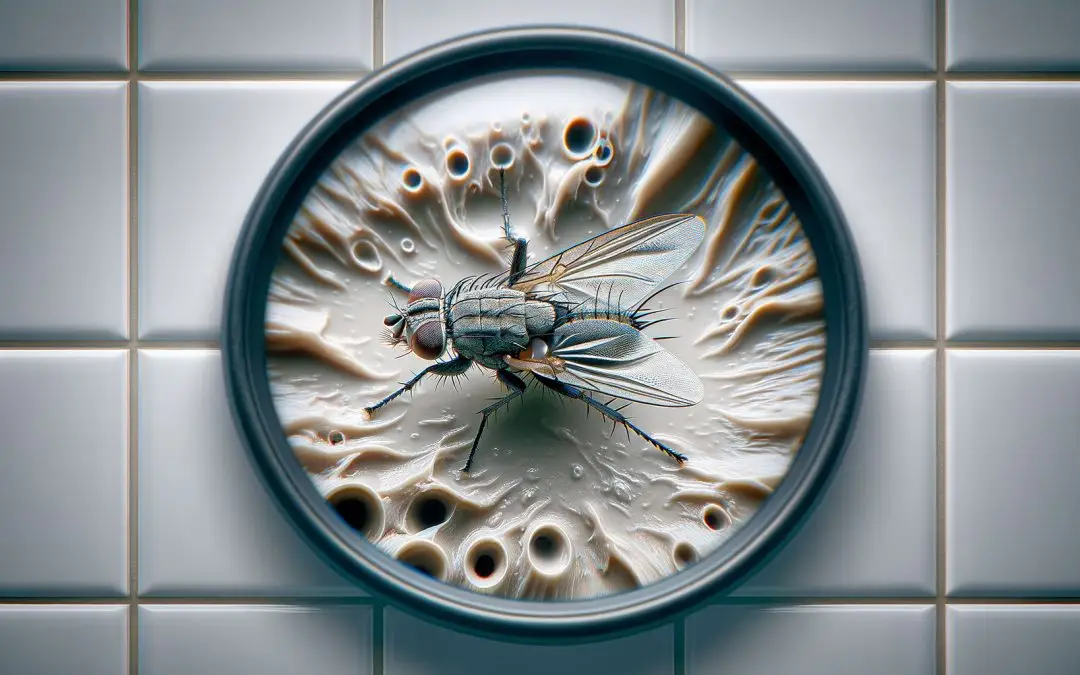
The flies are small, at only 3-4mm in length, with dark grey bodies and hairy moth-like wings that dominate their body size, as shown in the photo below.

Solving the mystery of why drain flies only appear in bathrooms?

If you’re not on an acreage with a septic tank or sewer treatment plant, your only encounter with these annoying flies is probably in your bathroom. These flies are prolific breeders in septic tanks and treatment plants but tend to stay near their food source.

During the day, bathroom flies often sit on walls or under the vanity basin or ceiling. However, they are more active at night, so you may not see them flying or emerging from your floor waste drain.

Despite being poor fliers, drain flies can travel long distances of 3-5km, carried by the wind away from septic tanks or treatment plants. They can enter your home through your insect screens since they are small enough to fit through the holes in the mesh. Ultimately, they will seek out your bathroom floor waste drains as a food and breeding source.

The drain fly dilemma where do they live and breed?

Drain flies are weak fliers, never straying far from the bathroom floor waste drain, causing them to be exclusively found in bathrooms.

Infestations occur when temperatures exceed 20°C in spring. Drain flies multiply rapidly as their life cycle is 1-3 weeks from egg to adult. Eggs hatch within 48 hours, becoming larvae that mature within 12 days, feeding on decaying organic matter in the bathroom floor waste drain. The adult flies emerge from the drain at night, living no more than two weeks.

Tiny insects, big headache: Tips for eliminating drain flies from your​ bathroom?

Removing breeding sites in bathroom drains is the best way to control and eliminate drain flies. Bleach can help with minor infestations but not major ones, which require sealing and cleaning of the floor waste trap.

Our experience has shown that cleaning the area around the floor waste, and inside the drain, with Enzyme Wizard All Purpose Surface Spray will sanitise and disinfect the breeding ground and food source of drain flies.

If you’re struggling with persistent drain fly infestations, call us at Whywait Plumbing on (07) 5580 4311 to book a service call. We’ll eliminate them for good.

CALL NOW
CALL NOW