Whywait Plumbing Services Logo

OFFICE HOURS

Mon to Fri 7.30am – 4pm
24-Hour EMERGENCY SERVICE

CALL 7 DAYS FOR SERVICE!

YOUR TRUSTED GOLD COAST PLUMBERS & GAS FITTERS

OFFICE HOURS
Mon – Sun 7.30am – 4pm
24 Hr Emergency Service

A Healthier Future with Lead Free Taps: What You Need to Know

A Healthier Future with Lead Free Taps: What You Need to Know

Lead-Free Taps for a Healthier Future

The Australian Building Codes Board (ABCB) has recently announced a transition period for adopting lead-free plumbing products in Australia. In this blog post, we’ll discuss the implications of this change, the benefits of lead-free plumbing, and how you can prepare for the transition. So let’s work together to create a healthier future for all!

The ABCB’s Transition Plan

As of May 1st, 2023, the ABCB has initiated a shift towards lead free taps and plumbing products across Australia. This decision aims to reduce lead exposure in drinking water and create healthier environments for everyone. The transition period will last until May 1st, 2026, after which only lead-free plumbing products will be allowed for use in drinking water systems throughout Australia.

Why Lead-Free Plumbing Matters

You may be wondering why there’s a push for lead-free plumbing products. The primary reason is the potential health risks associated with lead exposure. Health experts have long warned about the dangers of lead, particularly for children. Elevated lead levels can lead to developmental delays, learning difficulties, and behavioural problems. In addition, lead exposure can cause cardiovascular, kidney, and reproductive issues in adults.

By switching to lead free taps and plumbing products, we can significantly reduce the risk of lead exposure and contribute to healthier communities.

How Lead-Free Plumbing Benefits You

Switching to lead free taps and plumbing products not only provides health benefits but also offers several other advantages:

  • Environmentally friendly: Lead-free plumbing products reduce the amount of lead in landfills, helping protect our soil and water sources.
  • Increased durability: Many lead-free plumbing products are made from materials such as stainless steel or silicon bronze, known for their durability and resistance to corrosion.
  • Better water quality: Removing lead from plumbing systems can improve the taste and clarity of drinking water, providing a better experience for you and your family.
  • Compliance with future regulations: As the ABCB’s new regulations come into effect, transitioning to lead-free products ensures your plumbing system will be compliant and safe.

Preparing Your Home or Business for the Transition

At Whywait Plumbing, we are committed to providing the best service while prioritising your health and safety. Here’s how we plan to adapt to the new lead free taps and plumbing requirements:

  • Training and education: We ensure that our team is well-versed in the new regulations and understands the importance of using lead-free products.
  • Inventory update: We are transitioning our inventory to lead-free plumbing products, ensuring that all future plumbing work complies with the new regulations.
  • Client education: We believe in informing our clients about industry changes and how they affect you. We are here to answer any questions about lead-free plumbing products and their benefits.
  • Quality assurance: We are dedicated to offering the highest quality lead-free plumbing products, ensuring your plumbing system is safe, reliable, and environmentally friendly.
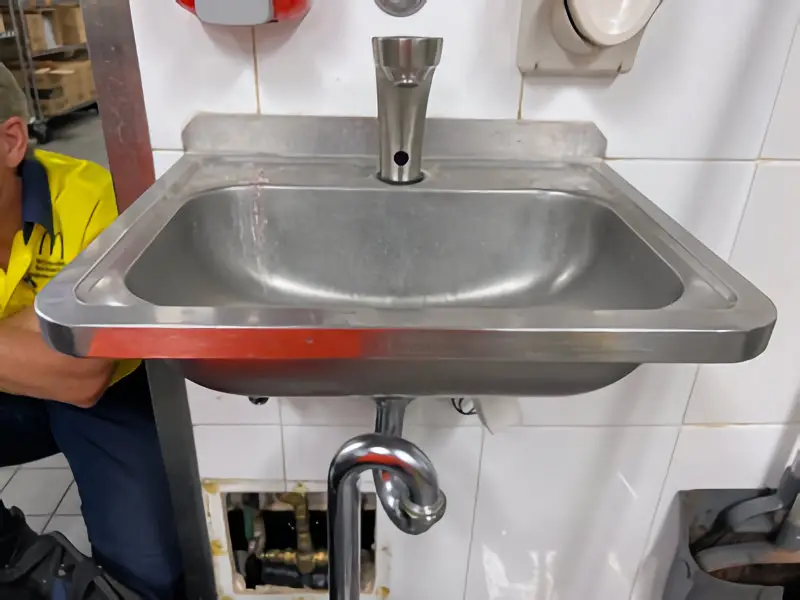
lead free taps installed by Whywait Plumbing

The photo above showcases businesses adapting to the new lead-free plumbing regulations. In this example, we replaced older-style taps containing lead with new compliant stainless steel, lead-free taps in the wash-up basins in the kitchen area at McDonald’s Oxenford. We have been installing these taps for the past two years, anticipating the transition to lead-free taps.

The sensor tap visible in the basin is a stainless steel hob-mounted infrared sensor tap. For commercial kitchens, these taps serve as an eco-friendly, water-efficient, and cost-effective alternative when upgrading sensor taps. The advanced infrared sensor technology ensures a sanitary, touch-free operation, making it an ideal choice for public applications.

A Healthier Future with Lead-Free Plumbing

The transition to lead-free plumbing products is crucial to creating safer and healthier environments for all Australians.

At Whywait Plumbing, we’re committed to informing you and helping you navigate this significant change. So we can build a brighter, healthier future for you and your loved ones. If you have any questions or concerns about lead-free plumbing, please don’t hesitate to contact us. We’re always here to help!


The Grave Reality of Flushing Condoms: Why You Need to Stop Now

The Grave Reality of Flushing Condoms: Why You Need to Stop Now

Condom Catastrophe: Why Flushing Condoms is a Plumbing No-No

Attention all lovers, romantics, and the occasional one-night standers: we’ve got some crucial information that might save your plumbing from a disastrous fate.

Let’s discuss the one thing you should never flush down the toilet – condoms. Sure, they might seem innocent and harmless, but in reality, they’re like little ticking time bombs for your plumbing waste pipes and sewer drain system.

So please sit back, relax, and let us explain why flushing condoms is a definite no-no.

flushing condoms

The Unforgiving Nature of Condoms

First, let’s talk about the obvious – condoms are not biodegradable. Unlike toilet paper, which is specifically designed to dissolve and break down in the water, condoms are made of latex, polyurethane, or polyisoprene.

This means they’ll remain intact and whole as they journey through your plumbing system, leading to potentially sticky situations (pun intended). So, if you’ve been wondering why your toilet keeps clogging, it’s time to take a long, hard look at your disposal methods.

The Dreaded Condomberg

Speaking of clogs, let’s dive a little deeper (not too deep, though) into the seedy underworld of condom-clogged drains. When you flush a condom, it doesn’t just magically disappear into some mystical sewer realm.

No, instead, it travels through your plumbing pipes into the sewer drains, becoming a veritable latex lasso, catching other debris along the way.

Over time, these wayward condoms band together with other flushed items, forming a monstrous mass we in the plumbing business lovingly refer to as a “condomberg.” Trust us. It’s not nearly as romantic as it sounds.

Plumbing Expenses: A Hard Pill to Swallow

If the thought of a condomberg lurking in your pipes isn’t enough to convince you, consider the cost of hiring a plumber to deal with the aftermath.

At Whywait Plumbing, we love helping our clients, but let’s face it: no one enjoys shelling out cash for a problem that could have easily been avoided.

And while we’re more than happy to rescue you from the perils of a condom-clogged pipe, it’s worth noting that the expense can be rather, well, “hard” to swallow.

Don’t Forget the Environmental Impact

Aside from the potential damage to your wallet, let’s not forget the environmental impact. When condoms enter the sewage system and sewer treatment plants, they can wreak havoc on the equipment designed to clean and purify our sewerage.

Sometimes, these pesky prophylactics slip past the treatment process, ending up in rivers, lakes, and oceans. The last thing our aquatic friends need is a barrage of rubbery debris invading their habitats.

So, think of the fish, guys!

flushing condoms

The Proper Condom Disposal Method

Now, we understand that in the heat of the moment, disposing of a used condom might not be at the forefront of your mind. But trust us, taking the extra few seconds to toss it in the rubbish can save you a world of plumbing pain.

If you’re worried about odours or mess, wrap the condom in toilet paper or tissue before disposing it. Your drains, credit card balance and our plumbers will thank you.

Flushing Condoms is a Plumbing No-No

Flushing condoms down the toilet is a big no-no for various reasons. They’re non-biodegradable, create clogs, damage your plumbing, and harm the environment.

Instead, please take a moment to dispose of them responsibly in the trash. Your love life may be hot, but let’s keep our plumbing cool, calm, and clog-free.

At Whywait Plumbing, we’re here to help you navigate the ins and outs of maintaining a healthy plumbing system. While we can’t provide relationship advice, we can certainly save your drains from the perils of improper condom disposal.

CCTV drain camera
The Secret Life of Tampons: Why You Should Never Flush Them Down the Toilet

The Secret Life of Tampons: Why You Should Never Flush Them Down the Toilet

Tampons and Toilets Don’t Mix: Avoid Flushing Tampons it Can Be a Costly Mistake

“Can you flush a tampon?” is a question that has plagued humankind ever since Eve got her first period (or at least since tampons were invented). While the siren call of a quick flush might seem irresistible, resist you must!

The experts in the plumbing industry and council sewage treatment plants have spoken: no flushing tampons, please. Even the signs in public restrooms agree, so let’s explore why flushing tampons is a big no-no.

Did you know that around 300 million tampons are sold in Australia annually? That’s a whole lot of tampons! Yet, many women are baffled to learn that flushing them is a big mistake.

At Whywait Plumbing, we’re all about healthy plumbing systems, and one of the most common issues we face is the dreaded tampon flush. So let’s dive into why it’s a bad idea, and you should avoid flushing tampons.

Tampons: The Tiny, Unassuming Plumbing Wreckers

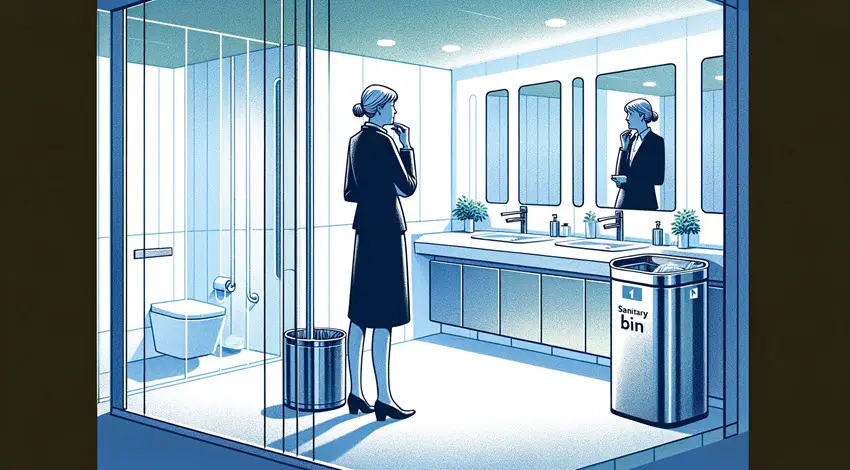
Tampons are designed to be absorbent, making them perfect for their intended job. But when flushed, these little guys become drain-blocking nightmares. So save yourself the hassle, wrap them in toilet paper, and toss them in a dedicated sanitary waste bin. Your drains will thank you.

Sewage Systems Say “No Thanks” to Tampons

Your home’s sewage system is designed to transport water, human waste, and toilet paper. This exclusive party does not invite tampons, sanitary pads, and other personal hygiene products. When they crash, they cause drain blockages, clogs, overflows, and significant damage to sewage pumps, septic tanks and equipment

Eco-Unfriendly Tampons and Mother Nature’s Disapproval

Flushing tampons not only wreak havoc on your home’s plumbing system, but it also upsets Mother Nature. Tampons can take years to break down in the environment, polluting the waters and bothering aquatic life. So do our ecosystems a favour and toss tampons in the rubbish or disposal bin.

Biodegradable tampons may be better for the environment, but they still take months to break down, meaning they’re no friend to your drains or sewage treatment system.

A Sewer Backup: The Nightmare No One Wants

One tampon won’t block your drain, but over time, they pile up and form a pipe-clogging mass. Throw in some tree roots and debris, and you have a recipe for blocked drain repairs. In addition, a blocked main sewerage line can result in raw sewage backing into your home – nobody wants that.

Avoid costly repairs and maintenance

Flushing tampons can lead to an expensive headache. Blocked toilets, blocked drains, damaged sewage systems, and sewer backups require professional plumbing services to resolve. Save yourself the trouble and expense by adequately disposing of tampons, sanitary pads, and other sanitary products in a waste bin.

Avoid Flushing Tampons Here is The Right Way to Dispose of Tampons

While flushing tampons might feel like an eco-friendly choice, it’s not. The solid waste from sewage systems, including tampons, eventually ends up in landfills. Since tampons can’t be recycled, tossing them in the rubbish is the best option.

Are you caught in a public restroom with no bin in sight? Fear not! Here are some alternative disposal methods:

  • Carry a small, sealable plastic bag for discreet disposal. Stash the used tampon in the bag and toss it later when a proper waste bin is available.
  • Opt for eco-friendly, biodegradable tampons, which break down more quickly in the environment. Of course, they still shouldn’t be flushed, but they’ll be kinder to the planet in landfills.
  • Consider reusable menstrual products like menstrual cups, cloth pads, or period underwear. These sustainable options reduce waste and can save you money in the long run.

To Flush or Not to Flush: A Reality Check on the Dangers of Tampon Disposal

At Whywait Plumbing, our mission is to keep your plumbing system in tip-top shape while providing a few smiles along the way.

Avoid flushing tampons and other sanitary products down the toilet. It is a recipe for disaster, leading to blockages, costly repairs, and even environmental damage. So do your part by disposing of tampons in a dedicated waste bin, and remember that a happy plumbing system is a tampon-free one.

If you find yourself facing plumbing issues – tampon-related or otherwise – our professional team at Whywait Plumbing is here to save the day with fast, reliable service and a smile.

CCTV drain camera
Stay Safe and Warm: The Hidden Dangers of Lowering Your Hot Water Temperature

Stay Safe and Warm: The Hidden Dangers of Lowering Your Hot Water Temperature

Cold Weather Affects Your Hot Water Temperature Increasing Energy Consumption

Your hot water temperature in the shower increases as winter approaches and temperatures drop. Your hot water use increases proportionately to how cold the weather is. As a result, You will find yourself using hot water more frequently.

The surge in electricity and gas costs, driven by government policies on climate change, is adversely affecting household budgets. While conserving energy and reducing electric and gas utility bills is always a priority, being aware of the potential health risks associated with lowering your hot water temperature is essential.

Are you aware that the temperature of your hot water may significantly impact your health?

A recent article published by the Australian Building Codes Board (ABCB) highlights the dangers of reducing the temperature of the hot water in your home. The report confirms what plumbers are well aware of and that lowering the temperature can create the perfect breeding ground for harmful bacteria, such as Legionella, which can cause Legionnaires’ disease.

The Hidden Dangers of Legionella Bacteria

Lowering the temperature of your hot water system can create the perfect breeding ground for harmful bacteria, such as Legionella, which can cause Legionnaires’ disease—a severe form of pneumonia that can be life-threatening.

Legionella bacteria thrive in water temperatures between 20°C and 45°C, so setting your water temperature too low might inadvertently promote their growth.

Lowering the temperature of your hot water storage system can create the perfect breeding ground for harmful bacteria, such as Legionella, which can cause Legionnaires’ disease—a severe form of pneumonia that can be life-threatening.

Legionella bacteria thrive in temperatures between 20°C and 45°C, so setting your temperature too low might inadvertently promote their growth.

The Safe and Recommended Water Temperature

The Australian Building Codes Board (ABCB) recommends maintaining a hot water temperature of at least 60°C to prevent the growth of Legionella bacteria. This temperature effectively kills any bacteria present in the water.

Consider installing a tempering valve if you don’t already have one to avoid scalding risks. A tempering valve mixes cold water with hot water, reducing the temperature to a safe 50°C for household use. This ensures the safety and comfort of your family members, particularly young children and older adults who are more vulnerable to scalding.

Balancing Energy Efficiency and Safety

At Whywait Plumbing, your safety and well-being are our top priorities. So here are our three key recommendations to prevent Legionella growth in your hot water system:

  • Maintain a water temperature between 60°C and 65°C. Keeping your hot water system within this range will prevent the growth of harmful bacteria while ensuring your water is safe to use.
  • Schedule regular maintenance for your hot water system. This includes annual testing and certification of your tempering or thermostatic mixing valve, flushing the tank, and inspecting the temperature and pressure relief valve. Routine maintenance promotes optimal performance and reduces the risk of bacterial growth.
  • Install a tempering valve if you don’t have one. A tempering valve mixes cold water with hot water, delivering water at a safe temperature (usually around 50°C) to your taps and fixtures. This prevents scalding while maintaining the necessary temperature within the hot water system to kill harmful bacteria.

We understand many homeowners want to save energy and reduce their electric and gas utility bills by lowering their water temperature. However, it’s crucial to strike a balance between energy efficiency and the safety of your household. By maintaining a temperature of at least 60°C, you can effectively prevent the growth of harmful bacteria while still conserving energy.

Leave It to the Professionals

If you’re uncertain about the appropriate temperature setting for your hot water system or believe there might be a problem with your tempering valve, refrain from attempting any adjustments yourself. Unlicensed individuals tampering with hot water thermostat settings or tempering valve settings is illegal and not a DIY task, regardless of what someone at Bunnings might suggest. In addition, interfering with plumbing, electrical, or gas systems can put you and your family at risk and potentially void your insurance policies.

Our experienced team at Whywait Plumbing is ready to help you with all your hot water system needs, from inspections to maintenance and repairs, ensuring that your system operates safely and efficiently.

Health Comes First: Understanding the Significance of Water Temperature

It’s essential to be aware of the risks associated with lowering the temperature settings in your hot water system. Maintaining a temperature of at least 60°C can prevent the growth of Legionella bacteria, protecting your family from potential health hazards.

Don’t hesitate to contact Whywait Plumbing for expert advice and assistance in keeping your home safe and comfortable this winter.

Gary Mays from Whywait Plumbing on hot water temperature
Why wait? Experienced Gold Coast Plumbers have expertise, skills and knowledge

Why wait? Experienced Gold Coast Plumbers have expertise, skills and knowledge

DIY plumbing is no match for real Gold Coast Plumbers with experience, skills, knowledge and expertise

Plumbing issues are never easy to deal with, but the temptation to handle them yourself and get all the materials you need from Bunnings can be intense. After all, why pay a professional when you can save money by fixing the problem on your own?

However, when it comes to plumbing, taking the DIY route can often lead to more significant issues and expenses in the long run.

That’s why hiring real Gold Coast plumbers with the necessary experience, skills, knowledge, and expertise is crucial to getting the job done right the first time.

An expert plumber’s experience and knowledge is the key to tackling plumbing problems

There’s no substitute for experience and knowledge when it comes to plumbing problems. Expert Gold Coast plumbers who are experienced plumbers bring a wealth of practical know-how to the job, with years of experience tackling multiple issues. Whether it’s a leaking tap, a blocked drain, no hot water or a burst pipe, an experienced plumber has the skills and expertise to assess the problem quickly and provide an effective and efficient solution.

Not only does an experienced plumber possess the technical know-how to solve plumbing problems, but they also bring a deep understanding of the broader issues at play. This can include everything from City of Gold Coast plumbing requirements and regulations to environmental concerns and best practices for maintaining plumbing systems over the long term.

By relying on an experienced plumber, clients can feel confident that their plumbing problems will be addressed in a way that solves the immediate issue and considers their long-term needs and goals.

Ask any real Gold Coast plumbers how incomplete or inaccurate DIY plumbing solutions from Bunnings or Google for plumbing problems can backfire

While the internet can provide a wealth of information on a range of topics, including DIY plumbing solutions, it is essential to exercise caution when relying on Google. Of course, the nice man at Bunnings may listen attentively and sell you various solutions. Still, they are a hardware supermarket, not a licenced plumber who visually inspects your problem.

Incomplete or inaccurate information can lead to costly mistakes and even potentially dangerous situations when it comes to plumbing problems. In addition, it’s important to remember that plumbing systems are complex, and what may seem like a simple fix can require a deeper level of understanding and experience to resolve correctly.

Don’t disrespect a plumber’s expertise and experience by haggling about their prices

It’s an unfortunate occupational hazard for plumbing businesses that a business you’ve worked for resorts to dishonesty to avoid paying its tax invoice for the work undertaken. Thankfully, a recent experience with a dental practice is generally the exception, not the rule. In this case, the dental practice in question attempted to spin a web of lies to justify their non-payment. It’s frustrating for everyone involved, but it’s important to remember that such behaviour is disrespectful and unprofessional.

Can you imagine the repercussions and reaction if you attempted to withhold payment from the dentist under the pretext of discrediting their expertise and accusing them of incompetence and grossly overcharging?

It’s common for some clients to attempt to negotiate a lower price for our services. Still, there’s a difference between negotiating in good faith and trying to manipulate the situation through dishonesty.

When a business such as a dental practice attempts to beat a plumber’s price down deceitfully, they disrespect the experience and expertise that the plumber brings to the job. It’s important to remember that a plumber’s price is not just for the service they provide but for the years of training and knowledge they bring to the table. Disrespecting their price is disrespecting their value as a professional plumber.

A Plumber's Perspective: A Conversation with a Client on Solving Plumbing Issues and The Ulimate Cost of The Work

G’day mate, now that you’ve looked at everything on my existing hottie, how much for replacing it with a new one?

Well, it’ll cost you $5230, mate.

What? That’s too much! That’s a bloody fortune! Can’t you do it cheaper?

I understand, but this is a big job. So we’re not just slapping a band-aid on it. We’re fixing it properly.

Fair enough, but I reckon it’s a simple job. I’ve Googled it, and all the experts consider $2000 up to $3000 as a fair price. So how about $2500?

I appreciate your opinion, mate, but unfortunately, I can’t do it for that little. I would be better off staying in bed than coming here to work at a loss. Unlike all your Google experts, I’ve eyeballed what is required to properly replace your hot water system and comply with the Plumbing and Drainage Act. But I have a proposition for you. For $1500, I can teach you how to do it yourself.

Teach me? I don’t even know where to start! I work with my brain, not my hands, I’m a financial planner, so I’m not exactly a tradie, mate.

No worries, mate. For $1500, I’ll teach you everything you need to know. It’ll be like a DIY Bunnings sausage sizzle. Plus, you’ll get the knowledge and experience to do it yourself next time.

Alright, I’m game. What do I need to do?

First, you’ll need tools like a pressing tool, battery drill, half-inch benders, screwdrivers and shifters, PPE, a trolley to move the gear around the house and a few other hand tools.

Crikey! I don’t have any of those.

No problem, mate. I can rent them to you for another $1300. So you’re still saving $2430 in the end.

Cool, I’m in, then. Sounds like a good deal. When can we start?

I’m available on Saturdays.

Saturday? But I have plans on Saturdays! It’s my weekend…my day off to spend with the family.

I’m sorry, mate. Saturdays are my teaching days for teaching Bunnings weekend warriors. And if you’re doing it yourself, you’ll need to get up early and get the gear we need for the job from Tradelink at 6.30, so we can start by 9.

That’s a bit rough, mate. Saturday is usually my sleep in morning. Can’t we get the gear from Bunnings?

Sorry mate, if we’re going to fix this correctly, you need suitable quality materials from an actual plumbers merchant.

I don’t have any free Saturdays coming up. Can’t we do it on a weekday?

No. As I said, Saturday is my only free day to teach you. Also, you’ll need a truck to transport the gear.

A truck? I don’t have a truck! I have a Tesla!

It looks like you’ll have to rent one. And the gear is pretty heavy to lift, so you will need some of your mates to come over to help you load and unload the truck.

I really don’t think I can ask my friends, they’re all professionals, not manual labourers, to do that. Can’t we do it on a weekday, and I’ll hire some guys off Airtasker?

I’m afraid not, mate. I’ve got other jobs during the week. However, I have good news for you! You can hire me to do it on a weekday if you’d like.

Really? That sounds like a better idea. But how much will that cost?

Well, it’ll cost you $5230, just like I said at the beginning.

C’mon mate, that’s too expensive! All the experts on Google agree.

I understand, mate. But you’re not just paying for a job. You’re paying for the knowledge, experience, equipment, tools, time, employees and family sacrifices I bring.

I guess you’re right. You know what? I’ve been thinking. It probably is better for you to do the job. It’s better to pay you to do the job right and not have to go through all that hassle.

Sensible decision, mate. Don’t worry, we’ve got you covered, mate. When you hire us, you’re not just paying for the job. You’re paying for our experience, expertise and everything we bring to the table with the tools in the back of the ute.


Some advice to plumbers reading this blog – “As a Gold Coast plumber, you know your worth. Don’t let anyone tell you otherwise – you’re worth every cent. After all, you’re the professional expert here – you know the costs to keep your business running smoothly. So value your services appropriately and do not undersell yourself as a professional licenced plumber.”


Mutual respect and professionalism are essential for every successful business relationship

As a Gold Coast plumber and business owner with 46 years of experience, I’ve seen first-hand how negative stereotypes can affect people in different professions, trades, and occupations. As a result, I believe in treating everyone as I expect to be treated and in giving people the benefit of the doubt until they give me a reason not to trust them.

Sadly, it’s all too common to hear someone say, “I’m just a…”, which sends a subliminal message that their work is of lesser value. But every occupation requires unique skills and expertise, and it’s essential to avoid making generalisations or assumptions about any profession based on these stereotypes.

One thing that bothers me is how certain professions are viewed as less prestigious or essential than others. This can lead to unfair judgments and undervaluation of people in those occupations. To build a positive business-to-client relationship and create a culture of mutual respect, we must actively listen to each other, communicate effectively, and find common ground to create a solution that is beneficial to everyone. By doing so, we can break down barriers and work together towards a more inclusive and collaborative business relationship.

We must also recognise how negative stereotypes can affect people in different professions, trades, and occupations. Therefore, it’s essential to treat everyone with respect and professionalism, regardless of their job title or position. Doing so can create a more supportive and inclusive environment for all.

A true Gold Coast plumber stands as a beacon of quality and trustworthiness

As we wrap up this exploration into the hallmarks of a genuine Gold Coast plumber, we cannot overemphasise the importance of expertise, skills, experience, and knowledge in this field.

As you navigate the often complex waters of plumbing issues and maintenance, remember that a true Gold Coast plumber stands as a beacon of quality and trustworthiness. They embody a rich blend of technical proficiency and a deep understanding of the local nuances, committed to delivering not just solutions but peace of mind.

In a realm where precision and reliability are non-negotiable, settling for anything less than experienced Gold Coast plumbers is not an option. Stay informed, choose wisely, and safeguard your home’s plumbing integrity with a professional who bears the genuine mark of excellence and reliability.

CALL NOW
CALL NOW