Are Water Conservation and Water Efficiency the Same?
by Gary Mays | Mar 21, 2026 | water pressure
Many people use the terms “water conservation” and “water efficiency“ interchangeably. They sound similar. They overlap in purpose. But they are not the same.
That difference matters.
Water conservation is about changing behaviour. Water efficiency is about using better products and systems to achieve the same result with less water. If you want a smarter sustainability strategy for your building, school, workplace or public facility, understanding that distinction helps you make better decisions.
At Whywait, we help clients take practical steps to reduce waste in real-world settings. Some of that comes from better habits. Some comes from better infrastructure, such as waterless urinals, sensor basin taps, and Taqua drinking water taps that help reduce reliance on plastic bottles.
What is water conservation?
Water conservation is behaviour-based. It focuses on reducing unnecessary water use by changing people’s behaviour.
The goal is simple. Use water only when it is needed.
Examples of water conservation include:
✅ taking shorter showers
✅ turning off the tap while brushing your teeth
✅ Only running appliances when full
✅ watering gardens more carefully
✅ choosing drought-tolerant landscaping
✅ reporting and repairing leaks quickly
These actions can help, especially when people stay consistent. But that is often the challenge. In busy spaces, people forget. They rush. They move on. Good intentions matter, but they do not always create long-term savings on their own.
What is water efficiency?
Water efficiency is technology-based. It focuses on products, fixtures and systems that use less water to perform the same task.
The goal is to achieve the same result with less water. Sometimes, with no water at all.
Examples of water efficiency include:
✅ waterless urinals
✅ sensor taps on bathroom basins
✅ high efficiency toilets
✅ smart irrigation systems
✅ flow-controlled fixtures
This is where water efficiency becomes powerful. The savings are built into the system. It does not rely on people remembering what to do every time.
The simplest way to remember the difference
Water conservation is about how people use water.
Water efficiency is about what they use to do the job.
That one distinction clears up most of the confusion.
Why the difference matters
If you treat conservation and efficiency as the same thing, you can miss obvious opportunities.
A business may encourage staff and visitors to be mindful of water use. That is worthwhile. But if the building still uses outdated washroom fittings, inefficient taps or old flushing systems, water may still be wasted every day.
That is why behaviour change alone is rarely enough in commercial settings.
Efficiency upgrades help make savings more reliable. They reduce waste automatically. Day after day. Even when people are busy, distracted or simply unaware.
How Whywait solutions support both goals
The best sustainability strategies usually combine conservation and efficiency. At Whywait, our solutions help clients move beyond awareness and into practical action.
Waterless urinals reduce unnecessary flushing.
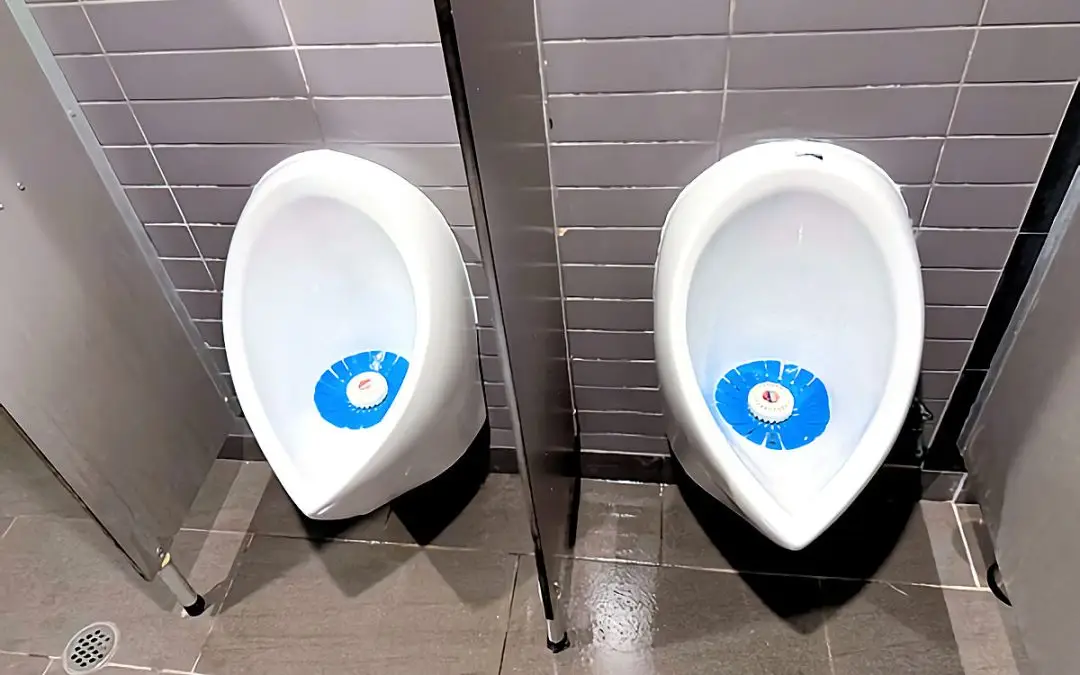
Waterless urinals are a strong example of water efficiency. They perform the same core function as traditional urinals, but without using water for flushing.
That makes them a smart option for schools, stadiums, commercial buildings, transport hubs and public amenities. In high-use areas, the savings can be significant. Waterless urinals also help reduce dependence on outdated flushing systems and support long-term sustainability goals.
This is efficiency at the source. It removes waste rather than asking people to avoid it.
Sensor basin taps save water in bathrooms
In bathrooms, sensor basin taps are a practical water efficiency upgrade. They help reduce unnecessary flow by delivering water only when needed.
That means less water is wasted through taps left on, overuse, or poor user habits in high-traffic washrooms, which can make a real difference over time.
Sensor taps also support hygiene and a cleaner user experience. That matters, especially in public and commercial environments.
Taqua taps help eliminate plastic bottles
Taqua taps play a different role. They are not bathroom water-saving taps. They are drinking water solutions designed to provide easy access to quality drinking water and reduce reliance on single-use plastic bottles.
That is still part of sustainability. It simply supports a different outcome.
When a site installs Taqua taps, it encourages people to refill rather than buy bottled water. That helps reduce plastic waste, supports healthier habits, and improves access to drinking water in workplaces, schools and public settings.
So while waterless urinals and sensor basin taps support water efficiency, Taqua taps support a broader environmental strategy by helping eliminate unnecessary plastic bottle use.
Why the best strategy uses both
The strongest results come from combining mindful behaviour with better products.
Conservation helps people think differently about water. Efficiency helps buildings perform better even when behaviour is inconsistent.
For example, a school may encourage students to use water wisely. That is conservation. The same school may also install waterless urinals, sensor basin taps and Taqua taps to reduce bottled water use. That is practical infrastructure supporting a broader sustainability plan.
One approach changes habits. The other changes outcomes.
Together, they work far better.
Efficiency can influence behaviour too
There is another benefit here that often gets overlooked.
Visible sustainability upgrades can change the way people think. When building users see waterless urinals, touch-free basin taps, or refill drinking stations, they become more aware of waste. The building itself starts to communicate better habits.
That is where efficiency begins to reinforce conservation.
It is a subtle shift, but an important one.
How Whywait turns sustainability into practical action
Many organisations want to reduce waste, but delay action because the problem feels too broad. Water. Plastic. Hygiene. Maintenance. Cost. It can all blur together.
We understand that. It happens often.
But avoidable waste does not pause. It keeps building quietly in the background.
Whywait helps clients simplify the decision. We provide practical solutions for washrooms and drinking water areas that help reduce the waste that occurs every day. Waterless urinals remove flushing water use. Sensor basin taps help reduce unnecessary water consumption in the bathroom. Taqua drinking water taps help reduce reliance on plastic bottles by making refillable water easier to access.
That gives clients a more complete sustainability response. Not just a good intention. A practical shift in how the site works.
Water conservation and water efficiency at a glance
Behaviour based
Technology based
Focuses on habits
Focuses on systems and fixtures
Relies on user awareness
Built into product design
Can vary day to day
Creates more consistent savings
Example: turning taps off sooner
Example: sensor basin taps
Example: shorter water use
Example: waterless urinals
What should homes and businesses do next?
Start by asking two questions.
First, where is water being wasted through behaviour?
Second, where is waste built into the current system?
Those questions often reveal the gap between what people intend to do and what the building actually allows.
If habits drive waste, conservation measures can help reduce it.
If waste is built into the infrastructure, efficiency upgrades are usually the smarter answer.
And if you also want to reduce plastic waste, access to drinking water should be part of the discussion too.
Water conservation and water efficiency are closely related
Water conservation and water efficiency are closely related but not the same.
Conservation changes behaviour.
Efficiency changes the system.
If you want meaningful, lasting results, you need both. Encourage better habits, then support them with products that automatically reduce waste. And, where possible, broaden the sustainability plan to include smarter water access that reduces the use of plastic bottles.
That is where Whywait can help.
Ready to reduce water waste across your site?
If your building still relies on outdated washroom fittings or on bottled water, now is a good time to review better options.
Whywait provides practical solutions, including waterless urinals, sensor basin taps, and Taqua drinking water taps to help reduce water waste, improve sustainability and support smarter site performance.
Contact Whywait today to discuss the right solution for your school, workplace, public facility or commercial building.
Water Conservation and Water Sustainability FAQ's
No. Water conservation is about reducing water use through behaviour, while water efficiency is about using products and systems that need less water.
Taking shorter showers or turning off a tap when it is not needed are examples of water conservation.
Waterless urinals and sensor taps on bathroom basins are examples of water-efficient design because they reduce water use.
No. Taqua taps are designed for drinking water access and help reduce reliance on plastic bottles, rather than functioning as bathroom water-saving taps.
It helps businesses, schools, and facility managers choose the right mix of behaviour change, water-saving infrastructure, and sustainability upgrades.