Whywait Plumbing Services Logo

OFFICE HOURS

Mon to Fri 7.30am – 4pm
24-Hour EMERGENCY SERVICE

CALL 7 DAYS FOR SERVICE!

YOUR TRUSTED GOLD COAST PLUMBERS & GAS FITTERS

OFFICE HOURS
Mon – Sun 7.30am – 4pm
24 Hr Emergency Service

How to Stop Kitchen Sink Blockages Before They Start with a Sink Waste Arrestor

How to Stop Kitchen Sink Blockages Before They Start with a Sink Waste Arrestor

Kitchen sink blockages rarely start with one big mistake. They usually begin with small things. Rice. Pasta. Coffee grounds. Vegetable peelings. Bits left on plates.

In family homes, even small toys can end up near the sink and slip down the waste. And then there are those heart-dropping moments, a diamond ring, an earring, or another piece of jewellery slipping from your hand and heading straight for the drain.

A simple way to stop kitchen sink blockages before they start is to fit a sink waste arrestor. It helps catch food scraps and small objects at the sink outlet before they disappear into the drain and cause slow water flow, bad smells, or a blocked sink.

Why kitchen sink blockages happen so often

Most blocked sinks do not happen overnight. They build slowly, and that is what catches people out.

Food scraps wash down the sink day after day. Grease and residue cling to the inside of the pipe. Then more scraps catch on that surface. The drain starts to narrow. Water drains more slowly. Odours begin. Then one day, the sink stops coping, and suddenly a small issue becomes a household disruption.

Children can add another layer to the problem. Toys, bottle tops, and random little objects have a habit of ending up where they should not. It only takes one small item to help create a blockage or make an existing one worse.

And sometimes it is not rubbish at all. It is something valuable. A diamond ring was taken off while washing up. An earring knocked loose. A piece of jewellery was placed on the sink edge for just a second. Those moments happen fast, and once something slips into the drain, panic usually follows.

That is why it makes sense to stop kitchen sink blockages at the source.

What is a sink waste arrestor?

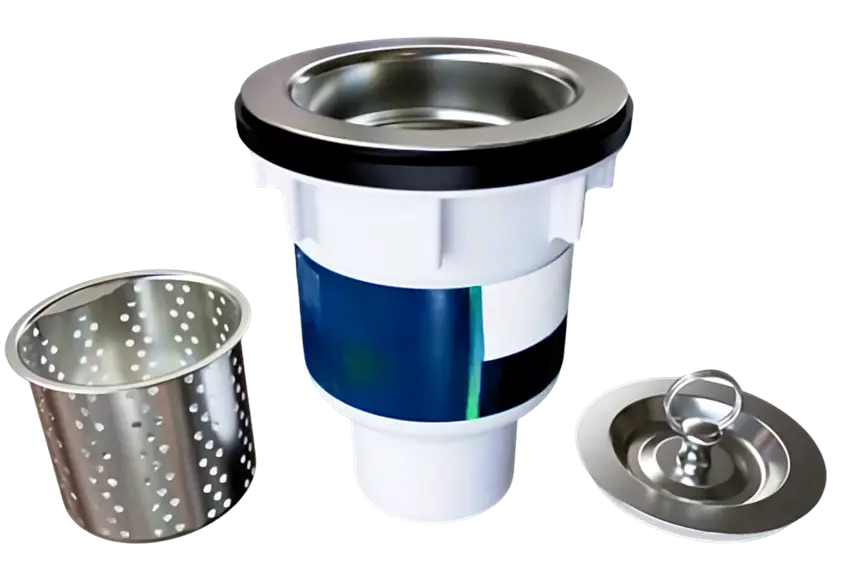
A sink waste arrestor is fitted into the sink outlet. Its job is simple. It catches food scraps and small solid items before they enter the plumbing.

The captured waste sits in a removable basket, so it can be emptied into the bin rather than washing down the drain. That helps keep the pipework clearer and reduces the risk of future sink problems.

Sink waste arrestors can be retrofitted to existing 50mm and 90mm waste outlets, which makes them suitable for many home kitchen sinks.
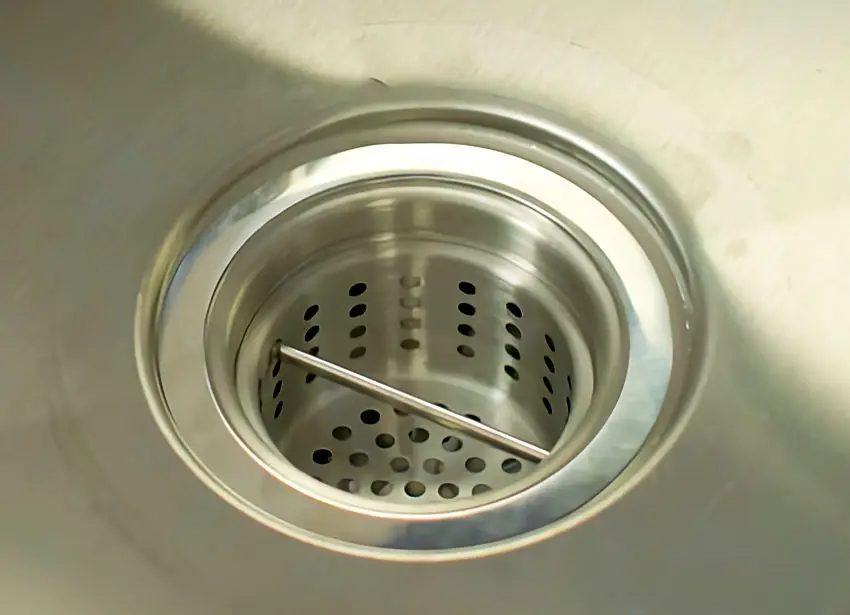
Sink waste arrestor catching food scraps in a family kitchen sink

How a sink waste arrestor helps stop kitchen sink blockages

A sink waste arrestor is one of those simple products that solves a very common problem. It does not need to be complicated to be useful.

It catches food scraps before they reach the drain

Many kitchen sink blockages start with ordinary food waste. Small scraps seem harmless in the moment, but repeated build-up inside the pipe is what causes trouble later.

A sink waste arrestor traps those scraps early, before they can collect in the plumbing.

It helps stop small objects from slipping into the pipework

In homes with children, kitchens can be busy and unpredictable. A toy, lid, spoon, or other little object can end up in the sink without much warning.

A sink waste arrestor creates a barrier between the sink bowl and the drain, helping prevent objects from being flushed down the drain waste line.

✅ It can help protect jewellery and other valuables.

Have you ever accidentally dropped a diamond ring or earring into the sink? It is the kind of moment that makes your stomach drop.

A sink waste arrestor adds a layer of protection at the outlet. Instead of a valuable item slipping straight into the sewer drain pipes, there is a better chance it will be caught before it disappears. That can save stress, save time, and sometimes save something that means far more than money.

It reduces the risk of slow drains and unpleasant smells

When food waste sits in the pipe, it starts to break down. That can create odours and slow drainage, even before a full blockage happens.

By helping to stop kitchen sink blockages, a sink waste arrestor can also help keep the kitchen fresher and more pleasant to use.

It may help prevent plumbing emergencies.

A blocked sink never feels convenient. It often happens right before dinner, during clean-up, or when the kitchen is already under pressure.

A sink waste arrestor is a practical step that may help reduce the chance of those stressful, unexpected plumbing problems.

The everyday benefits for your home

A kitchen sink is used constantly. Washing vegetables, rinsing dishes, filling pots, and cleaning up after meals. When the sink stops working well, the whole rhythm of the home feels off.

That is why a sink waste arrestor is such a sensible home upgrade. It helps:

Stop kitchen sink blockages before they start

Catch food scraps before they enter the drain

Help stop small toys and objects from going down the sink

Help protect rings, earrings, and other small valuables

Reduce bad smells caused by waste in the pipework

Make sink maintenance easier

Support cleaner waste habits at home

It is not flashy, and that is part of its appeal. It quietly helps prevent a problem most homeowners would rather avoid.

Suitable for existing sinks

One of the best parts is that a sink waste arrestor can be fitted to many existing sinks.

If your sink has a 50mm or 90mm waste outlet, retrofit options are available. That means you do not need to replace the sink or undertake a larger renovation just to improve drainage.

It is a practical upgrade, and for many households, a very worthwhile one.

Easy to clean and easy to live with

No one wants another product that adds more work to the kitchen.

A sink waste arrestor uses a removable basket, so trapped food scraps and small items can be lifted out and emptied into the bin. That makes daily use simple and cleaning straightforward.

Sometimes the smartest products are the ones that quietly make life easier. This is one of them.

A small step that can prevent a bigger problem

Most people think about their home drainage only when something goes wrong.

❌ After the sink starts smelling.

❌ After the water slows down.

❌  After the toy disappears.

❌  After the ring slips from your finger.

❌  After the blockage turns into a plumber’s visit.

A sink waste arrestor gives you the chance to act earlier. It helps stop kitchen sink blockages before they disrupt your day, create stress, and cost more to fix.

Stop kitchen sink blockages before they start.

A sink waste arrestor is a simple way to catch food scraps and small objects before they cause blocked drains, bad smells, and avoidable plumbing issues.

It can also help protect those small valuables no one ever expects to lose down the sink, like a ring, an earring, or another treasured piece of jewellery.

Suitable for 50mm and 90mm waste outlets, and retrofittable to existing sinks, it is a smart upgrade for homes that want a cleaner, more reliable kitchen sink.

Prices start at $175.07 for a single sink and $275.76 for a double-bowl sink.

When you compare that with the cost and hassle of dealing with a blocked kitchen sink, it is a practical investment in peace of mind.

Frequently Asked Questions on a Sink Waste Arrestor

A sink waste arrestor catches food scraps and small solid items before they enter the drain. This helps reduce the risk of blockages, slow drainage, and waste build-up in the drainage pipework.

Yes. That is one of its main benefits. It helps prevent kitchen sink blockages by catching scraps and small objects at the sink outlet before they travel into the plumbing and cause problems.

It can help stop small toys and other little household items from slipping into the waste outlet. While it is not a substitute for supervision, it does add a practical layer of protection in busy family homes.

Yes, that is another real benefit. A sink waste arrestor can help catch small valuables like rings, earrings, and other jewellery before they slip into the pipework. That extra peace of mind matters, especially in a busy home.

Yes. Sink waste arrestors can be retrofitted to many existing sinks with 50mm or 90mm waste outlets. That makes them a practical upgrade without needing a full sink replacement.

No. In fact, it is most useful before problems begin. A sink waste arrestor is a preventative product. It helps reduce the chance of food scraps and small objects building up in the plumbing over time.

No. All our sink waste arrestors include a removable basket that can be lifted out, emptied into the bin, and rinsed clean. That makes day-to-day maintenance simple.

Yes. When food scraps stay out of the pipework, there is less chance of waste breaking down inside the drain. That can help reduce unpleasant kitchen sink odours caused by decaying food scraps.

Sink waste arrestors are available for all standard 50mm and 90mm waste outlets, covering many home kitchen sink setups.

Prices start at $175.07 for a single sink and $275.76 for a double-bowl sink.

For many homeowners, yes. It is a simple, practical upgrade that can help prevent blocked sinks, reduce plumbing stress, and make the kitchen easier to manage every day.

Yes. It is a simple, practical upgrade that can help prevent blocked sinks, reduce plumbing stress, and make the commercial kitchen easier to manage every day.

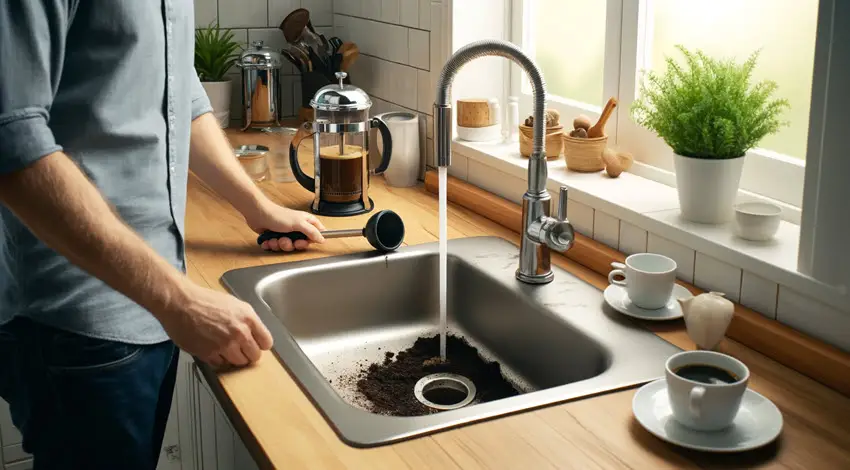
Will Coffee Grounds Block My Sink? How to Prevent Clogging?

Will Coffee Grounds Block My Sink? How to Prevent Clogging?

Is Your Morning Coffee Wreaking Havoc on Your Sink? How Coffee Grounds Can Cause Sink Blockages and What You Can Do About It

Is your morning coffee routine causing chaos in your sink? It’s a well-known fact that coffee grounds are a significant culprit behind sink blockages, leading to irritating plumbing issues. In this article, we’ll delve into the reasons why coffee grounds are such a nuisance and provide you with practical solutions to prevent and tackle this problem.

Coffee grounds may seem harmless, but when washed down the sink, they can accumulate and create a dense blockage. Their fine particles can easily clump together with other substances, like grease and oil, causing a stubborn clog that can be a nightmare to remove. The reality of pouring coffee grounds into your sink resembles pouring sand into your sink.

To prevent coffee grounds from causing sink blockages, it’s essential to dispose of them properly. Instead of rinsing them down the sink, consider adding them to your compost bin or using them as a natural plant fertiliser.

If you’re already dealing with a sink blockage caused by coffee grounds, there’s no need to panic. We’re here to help and will share practical methods for unclogging your sink and restoring its functionality.

Do not let your morning cup of coffee lead to plumbing problems. Read on to discover how to protect your sink from the havoc coffee grounds can wreak.

How Coffee Grounds Contribute to Sink Blockages

Coffee grounds may seem harmless, but their disposal down the sink can seriously affect your plumbing system. When rinsed down the drain, coffee grounds can accumulate and create a dense blockage over time. The fine particles of the coffee grounds easily clump together with other substances, such as grease and oil, forming a stubborn clog that restricts water flow.

The main reason coffee grounds contribute to sink blockages is their texture. Coffee grounds are granular and can easily stick to the pipes, forming a sticky residue. This residue then attracts other debris, leading to a buildup that eventually causes a blockage. Additionally, the natural oils in coffee grounds can solidify when they come into contact with cold water, further exacerbating the problem.

It’s important to note that coffee grounds should still be disposed of properly, even if you have a waste disposal unit in your sink. While a waste disposal unit can help break down some food waste, it is not designed to handle coffee grounds efficiently as they are too fine. Over time, the accumulation of coffee grounds can damage the waste disposal unit and contribute to blockages in the pipes.

Adopting proper disposal methods and preventive measures are essential to preventing sink blockages caused by coffee grounds.

The Impact of Sink Blockages on Plumbing Systems

Sink blockages caused by coffee grounds can significantly impact your plumbing system. A blockage restricts the flow of water through the pipes, leading to slow draining or complete backups. This can be inconvenient and unsanitary, as stagnant water can harbour bacteria and emit unpleasant odours.

In addition to the immediate inconvenience, sink blockages can cause significant and costly damage to your plumbing system. The increased pressure on the pipes can lead to leaks or even burst pipes, resulting in expensive repairs and potential water damage to your home. It’s crucial to address sink blockages promptly to prevent further damage and maintain the integrity of your plumbing system.

Recognising the signs and symptoms of sink blockages can help you identify and address the issue before it escalates.

Common Signs and Symptoms of Sink Blockages

Sink blockages caused by coffee grounds can manifest in various ways. Recognising the signs and symptoms early on can help you take action and prevent further damage. Here are some common indicators of sink blockages:

  • Slow Draining: If you notice that water takes longer than usual to drain from your sink, it may be a sign of a partial blockage. This is often the first indication that coffee grounds and other debris are accumulating in the pipes.
  • Foul Odors: A persistent foul smell emanating from your sink can signify a blockage. The accumulation of coffee grounds and other organic matter can create a breeding ground for bacteria, leading to unpleasant odours.
  • Gurgling Noises: If you hear gurgling or bubbling sounds coming from your sink when using other plumbing fixtures, it could indicate a blockage. The trapped air in the pipes is trying to escape, causing these unusual noises.
  • Water Backups: The most severe symptom of a sink blockage is water backing up into the sink or other nearby fixtures. This can result from a complete blockage, and immediate action should be taken to prevent further damage.

If you notice any of these signs, it is crucial to address the blockage promptly. Ignoring the issue can lead to more severe plumbing problems and costly repairs later.

Preventive Measures to Avoid Sink Blockages

Prevention is the key to avoiding sink blockages caused by coffee grounds. By implementing these simple and straightforward measures, you can protect your plumbing system and avoid the hassle of dealing with clogged sinks.

  • Use a Sink Strainer: Placing a sink strainer over your drain can help catch coffee grounds and other debris before they enter the pipes. This simple and inexpensive tool can significantly reduce the risk of blockages.
  • Avoid Rinsing Coffee Grounds Down the Sink: Instead of rinsing coffee grounds down the sink, consider alternative disposal methods. One option is to add them to your compost bin. Coffee grounds are an excellent source of nitrogen and can enrich your compost. Another option is to use coffee grounds as a natural fertiliser for plants. Many plants, such as roses and hydrangeas, benefit from the acidity and nutrients present in coffee grounds.
  • Flush Pipes with Hot Water: Regularly flushing your sink pipes with hot water can help prevent the buildup of coffee grounds and other debris. Hot water can help dissolve and wash away any residue clinging to the pipes.
  • Clean Your Sink Regularly: Keeping your sink clean and free of coffee grounds can help prevent blockages. Use a sponge or cloth to wipe away any residue or buildup after each use.

By adopting these preventive measures, you can significantly reduce the risk of sink blockages caused by coffee grounds. However, if you’re already dealing with a blockage, don’t worry. We’ve got you covered with steps to address the issue. So, let’s get started on protecting your sink from the havoc coffee grounds can wreak.

Proper Disposal Methods for Coffee Grounds

Disposing of coffee grounds properly is crucial to prevent sink blockages. As mentioned earlier, there are better approaches than rinsing them down the sink. Here are some recommended methods for disposing of coffee grounds:

  • Compost: Coffee grounds are a valuable addition to your compost bin. The nitrogen-rich content of coffee grounds can help accelerate the decomposition process and enhance the quality of your compost. Mix the coffee grounds with other organic matter, such as vegetable scraps and yard waste, to create a nutrient-rich compost for your garden.
  • Garden Fertiliser: Coffee grounds can be used as a natural fertiliser for plants. They contain essential nutrients like nitrogen, phosphorus, and potassium, which can benefit various plants. Spread a thin layer of coffee grounds around the base of your plants, being careful not to pile them up against the stems. This will provide a slow-release source of nutrients for your plants.
  • Repel Pests: Coffee grounds can also be a natural repellent for specific pests. Sprinkle coffee grounds around the perimeter of your garden or in areas where pests are a problem. The pungent aroma of coffee can deter pests like ants, slugs, and snails.

Using these disposal methods, you can give your coffee grounds a second life while protecting your sink from potential blockages.

Alternative Uses for Coffee Grounds

Coffee grounds have several alternative uses beyond composting and gardening. Here are some additional ways you can put your coffee grounds to good use:

  • Exfoliating Scrub: Mix coffee grounds with coconut oil or honey to create an exfoliating scrub for your skin. The coarse texture of the coffee grounds helps remove dead skin cells, leaving your skin smooth and rejuvenated.
  • Neutralise Odors: Coffee grounds can help absorb and neutralise odours in your refrigerator or freezer. Place a small bowl of dry coffee grounds in the back of your fridge or freezer to eliminate unwanted smells.
  • Repel Insects: Coffee grounds can be used as a natural insect repellent. Sprinkle them around areas where insects are a problem, such as ant trails or outdoor seating areas, to deter pests.
  • Clean Greasy Pots and Pans: Coffee grounds’ abrasive texture makes them effective for cleaning greasy pots and pans. Sprinkle coffee grounds onto the surface and scrub with a sponge or brush to remove stubborn grease.

These alternative uses for coffee grounds help reduce waste and provide practical solutions for everyday tasks.

DIY Solutions for Clearing Sink Blockages

If you’re already dealing with a sink blockage caused by coffee grounds, you can try several DIY solutions before seeking professional help. Here are some practical methods for clearing sink blockages:

  • Boiling Water: Start by pouring boiling water down the drain. The hot water can help dissolve and dislodge the coffee grounds, allowing them to flow freely down the pipes. Repeat this process a few times if necessary.
  • Baking Soda and Vinegar: Mix baking soda and vinegar in equal parts to create a natural cleaning solution. Pour the mixture down the drain and let it sit for about 30 minutes. Then, flush the dissolved coffee grounds and other debris with boiling water.
  • Plunger: If the blockage persists, use a plunger to dislodge the coffee grounds. Place the plunger over the drain and create a tight seal. Pump the plunger up and down vigorously to create pressure and force the blockage to move.
  • Wire Hanger: Straighten a wire hanger and create a small hook at one end. Insert the hooked end into the drain and try to fish out any visible coffee grounds or debris. Be gentle to avoid damaging the pipes.

These DIY solutions can be effective for minor blockages caused by coffee grounds. However, if the blockage is persistent or severe, it’s advisable to seek professional plumbing services.

Whywait's Professional Plumbing Services for Persistent Sink Blockages

Sometimes, more than DIY solutions may be required to clear a sink blockage caused by coffee grounds. If you’ve tried multiple methods and the blockage persists, it’s best to enlist the help of Us here at Whywait Plumbing. Our experts have the knowledge, tools, and expertise to address stubborn blockages and ensure the long-term functionality of your sink.

Our professional plumbers at Whywait use specialised equipment, such as Flexshaft drain or water-jetting machines, to effectively clear the blockage. These tools can reach deep into the pipes and break up the accumulation of coffee grounds and other debris.

At Whywait, we inspect your plumbing system to identify any underlying issues contributing to the blockages. We will recommend preventive measures and help you maintain a healthy and functional sink to eliminate your always wondering when will coffee grounds block my sink.

Final Thoughts on Will Coffee Grounds Block My Sink

Coffee grounds may seem harmless, but they can cause severe blockages and plumbing issues when washed down the sink. To avoid sink blockages caused by coffee grounds, it’s essential to dispose of them properly. Consider adding coffee grounds to your compost or using them as a natural plant fertiliser.

If you’re already dealing with a sink blockage, try DIY solutions like boiling water, baking soda, and vinegar or using a plunger or wire hanger to clear the blockage. However, if the blockage persists, it’s best to seek our professional plumbing services at Whywait Plumbing.

Taking preventive measures and adopting proper disposal methods can protect your sink from the havoc coffee grounds can wreak. Avoid the frustration and inconvenience of sink blockages caused by coffee grounds by practising responsible coffee grounds disposal and regular maintenance of your plumbing system.

Remember, a little extra effort in disposing of your coffee grounds can go a long way in preventing sink blockages and ensuring the smooth operation of your sink for years to come.


CCTV drain camera
CALL NOW
CALL NOW