

Whywait Plumbing Services Logo

OFFICE HOURS

Mon to Fri 7.30am – 4pm
24-Hour EMERGENCY SERVICE

CALL 7 DAYS FOR SERVICE!

YOUR TRUSTED GOLD COAST PLUMBERS & GAS FITTERS

OFFICE HOURS
Mon – Sun 7.30am – 4pm
24 Hr Emergency Service

How to Stop Kitchen Sink Blockages Before They Start with a Sink Waste Arrestor

How to Stop Kitchen Sink Blockages Before They Start with a Sink Waste Arrestor

Kitchen sink blockages rarely start with one big mistake. They usually begin with small things. Rice. Pasta. Coffee grounds. Vegetable peelings. Bits left on plates.

In family homes, even small toys can end up near the sink and slip down the waste. And then there are those heart-dropping moments, a diamond ring, an earring, or another piece of jewellery slipping from your hand and heading straight for the drain.

A simple way to stop kitchen sink blockages before they start is to fit a sink waste arrestor. It helps catch food scraps and small objects at the sink outlet before they disappear into the drain and cause slow water flow, bad smells, or a blocked sink.

Why kitchen sink blockages happen so often

Most blocked sinks do not happen overnight. They build slowly, and that is what catches people out.

Food scraps wash down the sink day after day. Grease and residue cling to the inside of the pipe. Then more scraps catch on that surface. The drain starts to narrow. Water drains more slowly. Odours begin. Then one day, the sink stops coping, and suddenly a small issue becomes a household disruption.

Children can add another layer to the problem. Toys, bottle tops, and random little objects have a habit of ending up where they should not. It only takes one small item to help create a blockage or make an existing one worse.

And sometimes it is not rubbish at all. It is something valuable. A diamond ring was taken off while washing up. An earring knocked loose. A piece of jewellery was placed on the sink edge for just a second. Those moments happen fast, and once something slips into the drain, panic usually follows.

That is why it makes sense to stop kitchen sink blockages at the source.

What is a sink waste arrestor?

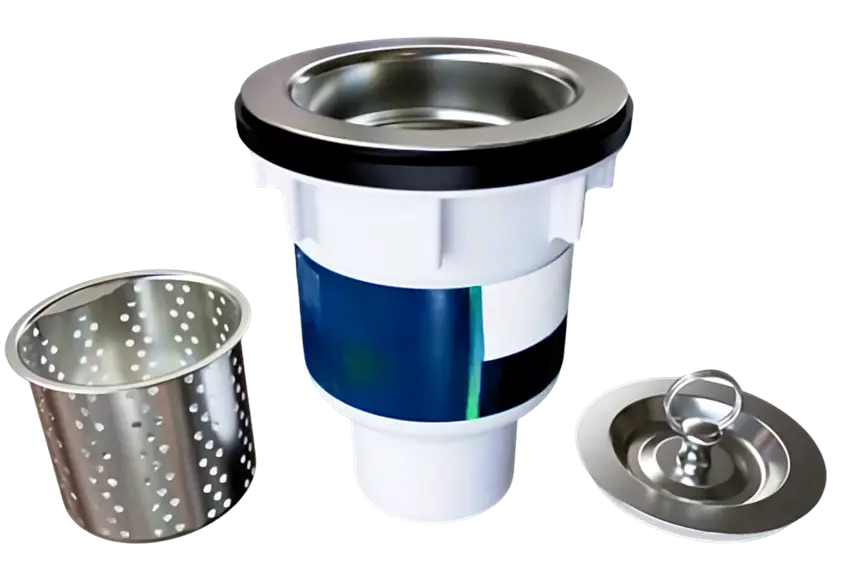
A sink waste arrestor is fitted into the sink outlet. Its job is simple. It catches food scraps and small solid items before they enter the plumbing.

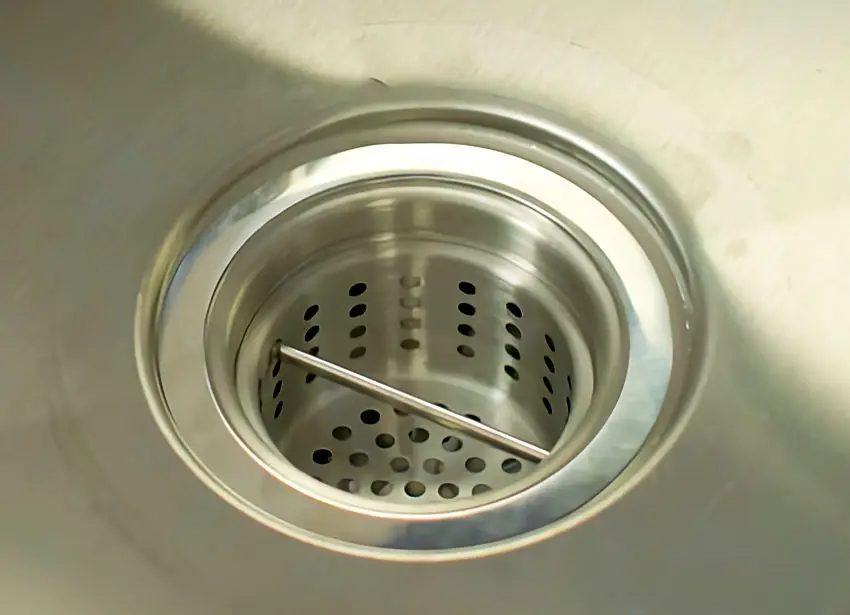
The captured waste sits in a removable basket, so it can be emptied into the bin rather than washing down the drain. That helps keep the pipework clearer and reduces the risk of future sink problems.

Sink waste arrestors can be retrofitted to existing 50mm and 90mm waste outlets, which makes them suitable for many home kitchen sinks.

Sink waste arrestor catching food scraps in a family kitchen sink

How a sink waste arrestor helps stop kitchen sink blockages

A sink waste arrestor is one of those simple products that solves a very common problem. It does not need to be complicated to be useful.

It catches food scraps before they reach the drain

Many kitchen sink blockages start with ordinary food waste. Small scraps seem harmless in the moment, but repeated build-up inside the pipe is what causes trouble later.

A sink waste arrestor traps those scraps early, before they can collect in the plumbing.

It helps stop small objects from slipping into the pipework

In homes with children, kitchens can be busy and unpredictable. A toy, lid, spoon, or other little object can end up in the sink without much warning.

A sink waste arrestor creates a barrier between the sink bowl and the drain, helping prevent objects from being flushed down the drain waste line.

✅ It can help protect jewellery and other valuables.

Have you ever accidentally dropped a diamond ring or earring into the sink? It is the kind of moment that makes your stomach drop.

A sink waste arrestor adds a layer of protection at the outlet. Instead of a valuable item slipping straight into the sewer drain pipes, there is a better chance it will be caught before it disappears. That can save stress, save time, and sometimes save something that means far more than money.

It reduces the risk of slow drains and unpleasant smells

When food waste sits in the pipe, it starts to break down. That can create odours and slow drainage, even before a full blockage happens.

By helping to stop kitchen sink blockages, a sink waste arrestor can also help keep the kitchen fresher and more pleasant to use.

It may help prevent plumbing emergencies.

A blocked sink never feels convenient. It often happens right before dinner, during clean-up, or when the kitchen is already under pressure.

A sink waste arrestor is a practical step that may help reduce the chance of those stressful, unexpected plumbing problems.

The everyday benefits for your home

A kitchen sink is used constantly. Washing vegetables, rinsing dishes, filling pots, and cleaning up after meals. When the sink stops working well, the whole rhythm of the home feels off.

That is why a sink waste arrestor is such a sensible home upgrade. It helps:

Stop kitchen sink blockages before they start

Catch food scraps before they enter the drain

Help stop small toys and objects from going down the sink

Help protect rings, earrings, and other small valuables

Reduce bad smells caused by waste in the pipework

Make sink maintenance easier

Support cleaner waste habits at home

It is not flashy, and that is part of its appeal. It quietly helps prevent a problem most homeowners would rather avoid.

Suitable for existing sinks

One of the best parts is that a sink waste arrestor can be fitted to many existing sinks.

If your sink has a 50mm or 90mm waste outlet, retrofit options are available. That means you do not need to replace the sink or undertake a larger renovation just to improve drainage.

It is a practical upgrade, and for many households, a very worthwhile one.

Easy to clean and easy to live with

No one wants another product that adds more work to the kitchen.

A sink waste arrestor uses a removable basket, so trapped food scraps and small items can be lifted out and emptied into the bin. That makes daily use simple and cleaning straightforward.

Sometimes the smartest products are the ones that quietly make life easier. This is one of them.

A small step that can prevent a bigger problem

Most people think about their home drainage only when something goes wrong.

❌ After the sink starts smelling.

❌ After the water slows down.

❌  After the toy disappears.

❌  After the ring slips from your finger.

❌  After the blockage turns into a plumber’s visit.

A sink waste arrestor gives you the chance to act earlier. It helps stop kitchen sink blockages before they disrupt your day, create stress, and cost more to fix.

Stop kitchen sink blockages before they start.

A sink waste arrestor is a simple way to catch food scraps and small objects before they cause blocked drains, bad smells, and avoidable plumbing issues.

It can also help protect those small valuables no one ever expects to lose down the sink, like a ring, an earring, or another treasured piece of jewellery.

Suitable for 50mm and 90mm waste outlets, and retrofittable to existing sinks, it is a smart upgrade for homes that want a cleaner, more reliable kitchen sink.

Prices start at $175.07 for a single sink and $275.76 for a double-bowl sink.

When you compare that with the cost and hassle of dealing with a blocked kitchen sink, it is a practical investment in peace of mind.

Frequently Asked Questions on a Sink Waste Arrestor

A sink waste arrestor catches food scraps and small solid items before they enter the drain. This helps reduce the risk of blockages, slow drainage, and waste build-up in the drainage pipework.

Yes. That is one of its main benefits. It helps prevent kitchen sink blockages by catching scraps and small objects at the sink outlet before they travel into the plumbing and cause problems.

It can help stop small toys and other little household items from slipping into the waste outlet. While it is not a substitute for supervision, it does add a practical layer of protection in busy family homes.

Yes, that is another real benefit. A sink waste arrestor can help catch small valuables like rings, earrings, and other jewellery before they slip into the pipework. That extra peace of mind matters, especially in a busy home.

Yes. Sink waste arrestors can be retrofitted to many existing sinks with 50mm or 90mm waste outlets. That makes them a practical upgrade without needing a full sink replacement.

No. In fact, it is most useful before problems begin. A sink waste arrestor is a preventative product. It helps reduce the chance of food scraps and small objects building up in the plumbing over time.

No. All our sink waste arrestors include a removable basket that can be lifted out, emptied into the bin, and rinsed clean. That makes day-to-day maintenance simple.

Yes. When food scraps stay out of the pipework, there is less chance of waste breaking down inside the drain. That can help reduce unpleasant kitchen sink odours caused by decaying food scraps.

Sink waste arrestors are available for all standard 50mm and 90mm waste outlets, covering many home kitchen sink setups.

Prices start at $175.07 for a single sink and $275.76 for a double-bowl sink.

For many homeowners, yes. It is a simple, practical upgrade that can help prevent blocked sinks, reduce plumbing stress, and make the kitchen easier to manage every day.

Yes. It is a simple, practical upgrade that can help prevent blocked sinks, reduce plumbing stress, and make the commercial kitchen easier to manage every day.

Are Water Conservation and Water Efficiency the Same?

Are Water Conservation and Water Efficiency the Same?

Many people use the terms “water conservation” and “water efficiency interchangeably. They sound similar. They overlap in purpose. But they are not the same.

That difference matters.

Water conservation is about changing behaviour. Water efficiency is about using better products and systems to achieve the same result with less water. If you want a smarter sustainability strategy for your building, school, workplace or public facility, understanding that distinction helps you make better decisions.

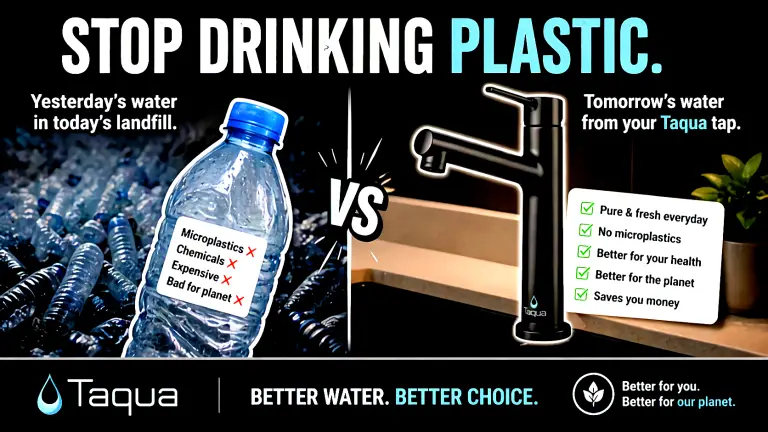
At Whywait, we help clients take practical steps to reduce waste in real-world settings. Some of that comes from better habits. Some comes from better infrastructure, such as waterless urinals, sensor basin taps, and Taqua drinking water taps that help reduce reliance on plastic bottles.

What is water conservation?

Water conservation is behaviour-based. It focuses on reducing unnecessary water use by changing people’s behaviour.

The goal is simple. Use water only when it is needed.

Examples of water conservation include:

taking shorter showers

turning off the tap while brushing your teeth

Only running appliances when full

watering gardens more carefully

choosing drought-tolerant landscaping

reporting and repairing leaks quickly

These actions can help, especially when people stay consistent. But that is often the challenge. In busy spaces, people forget. They rush. They move on. Good intentions matter, but they do not always create long-term savings on their own.

What is water efficiency?

Water efficiency is technology-based. It focuses on products, fixtures and systems that use less water to perform the same task.

The goal is to achieve the same result with less water. Sometimes, with no water at all.

Examples of water efficiency include:

waterless urinals

sensor taps on bathroom basins

high efficiency toilets

smart irrigation systems

leak detection technology

flow-controlled fixtures

This is where water efficiency becomes powerful. The savings are built into the system. It does not rely on people remembering what to do every time.

The simplest way to remember the difference

Water conservation is about how people use water.

Water efficiency is about what they use to do the job.

That one distinction clears up most of the confusion.

Why the difference matters

If you treat conservation and efficiency as the same thing, you can miss obvious opportunities.

A business may encourage staff and visitors to be mindful of water use. That is worthwhile. But if the building still uses outdated washroom fittings, inefficient taps or old flushing systems, water may still be wasted every day.

That is why behaviour change alone is rarely enough in commercial settings.

Efficiency upgrades help make savings more reliable. They reduce waste automatically. Day after day. Even when people are busy, distracted or simply unaware.

How Whywait solutions support both goals

The best sustainability strategies usually combine conservation and efficiency. At Whywait, our solutions help clients move beyond awareness and into practical action.

Waterless urinals reduce unnecessary flushing.

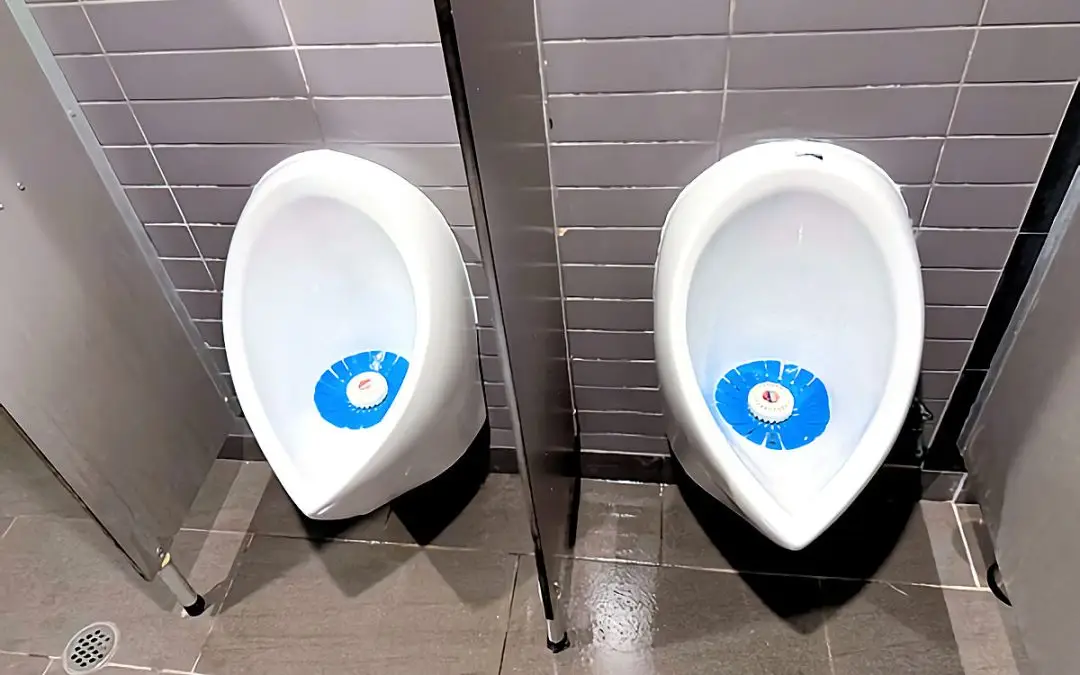
Waterless urinals are a strong example of water efficiency. They perform the same core function as traditional urinals, but without using water for flushing.

That makes them a smart option for schools, stadiums, commercial buildings, transport hubs and public amenities. In high-use areas, the savings can be significant. Waterless urinals also help reduce dependence on outdated flushing systems and support long-term sustainability goals.

This is efficiency at the source. It removes waste rather than asking people to avoid it.

Sensor basin taps save water in bathrooms

In bathrooms, sensor basin taps are a practical water efficiency upgrade. They help reduce unnecessary flow by delivering water only when needed.

That means less water is wasted through taps left on, overuse, or poor user habits in high-traffic washrooms, which can make a real difference over time.

Sensor taps also support hygiene and a cleaner user experience. That matters, especially in public and commercial environments.

Taqua taps help eliminate plastic bottles

Taqua taps play a different role. They are not bathroom water-saving taps. They are drinking water solutions designed to provide easy access to quality drinking water and reduce reliance on single-use plastic bottles.

That is still part of sustainability. It simply supports a different outcome.

When a site installs Taqua taps, it encourages people to refill rather than buy bottled water. That helps reduce plastic waste, supports healthier habits, and improves access to drinking water in workplaces, schools and public settings.

So while waterless urinals and sensor basin taps support water efficiency, Taqua taps support a broader environmental strategy by helping eliminate unnecessary plastic bottle use.

Why the best strategy uses both

The strongest results come from combining mindful behaviour with better products.

Conservation helps people think differently about water. Efficiency helps buildings perform better even when behaviour is inconsistent.

For example, a school may encourage students to use water wisely. That is conservation. The same school may also install waterless urinals, sensor basin taps and Taqua taps to reduce bottled water use. That is practical infrastructure supporting a broader sustainability plan.

One approach changes habits. The other changes outcomes.

Together, they work far better.

Efficiency can influence behaviour too

There is another benefit here that often gets overlooked.

Visible sustainability upgrades can change the way people think. When building users see waterless urinals, touch-free basin taps, or refill drinking stations, they become more aware of waste. The building itself starts to communicate better habits.

That is where efficiency begins to reinforce conservation.

It is a subtle shift, but an important one.

How Whywait turns sustainability into practical action

Many organisations want to reduce waste, but delay action because the problem feels too broad. Water. Plastic. Hygiene. Maintenance. Cost. It can all blur together.

We understand that. It happens often.

But avoidable waste does not pause. It keeps building quietly in the background.

Whywait helps clients simplify the decision. We provide practical solutions for washrooms and drinking water areas that help reduce the waste that occurs every day. Waterless urinals remove flushing water use. Sensor basin taps help reduce unnecessary water consumption in the bathroom. Taqua drinking water taps help reduce reliance on plastic bottles by making refillable water easier to access.

That gives clients a more complete sustainability response. Not just a good intention. A practical shift in how the site works.

Water conservation and water efficiency at a glance

Water Conservation
Water Efficiency

Behaviour based

Technology based

Focuses on habits

Focuses on systems and fixtures

Relies on user awareness

Built into product design

Can vary day to day

Creates more consistent savings

Example: turning taps off sooner

Example: sensor basin taps

Example: shorter water use

Example: waterless urinals

What should homes and businesses do next?

Start by asking two questions.

First, where is water being wasted through behaviour?

Second, where is waste built into the current system?

Those questions often reveal the gap between what people intend to do and what the building actually allows.

If habits drive waste, conservation measures can help reduce it.

If waste is built into the infrastructure, efficiency upgrades are usually the smarter answer.

And if you also want to reduce plastic waste, access to drinking water should be part of the discussion too.

Water conservation and water efficiency are closely related

Water conservation and water efficiency are closely related but not the same.

Conservation changes behaviour.

Efficiency changes the system.

If you want meaningful, lasting results, you need both. Encourage better habits, then support them with products that automatically reduce waste. And, where possible, broaden the sustainability plan to include smarter water access that reduces the use of plastic bottles.

That is where Whywait can help.

Ready to reduce water waste across your site?

If your building still relies on outdated washroom fittings or on bottled water, now is a good time to review better options.

Whywait provides practical solutions, including waterless urinals, sensor basin taps, and Taqua drinking water taps to help reduce water waste, improve sustainability and support smarter site performance.

Contact Whywait today to discuss the right solution for your school, workplace, public facility or commercial building.

Water Conservation and Water Sustainability FAQ's

No. Water conservation is about reducing water use through behaviour, while water efficiency is about using products and systems that need less water.

Taking shorter showers or turning off a tap when it is not needed are examples of water conservation.

Waterless urinals and sensor taps on bathroom basins are examples of water-efficient design because they reduce water use.

No. Taqua taps are designed for drinking water access and help reduce reliance on plastic bottles, rather than functioning as bathroom water-saving taps.

It helps businesses, schools, and facility managers choose the right mix of behaviour change, water-saving infrastructure, and sustainability upgrades.

Water Pressure Gold Coast: Low & High Pressure Made Clear

Water Pressure Gold Coast: Low & High Pressure Made Clear

Water Pressure Gold Coast: Low & High Pressure Explained

Not sure if your water pressure is “normal”? Let’s be honest. Most people guess. Then they stress. Then they leave it… until something leaks.

Water pressure issues on the Gold Coast are common. They can change street to street, and it’s not always your imagination.

This guide explains it simply. No jargon. No waffle. (Well… not much.)

Quick answer: What is water pressure?

Water pressure is the force pushing water through your pipes. It’s measured in kPa (kilopascals).

Pressure is not the same as flow. Flow is the amount of water that comes out over time.

You can have “okay pressure” and still have poor flow. That’s usually restrictions, valves, or pipe sizing.

Why does water pressure vary so much on the Gold Coast

The Gold Coast has hills, canals, towers, old suburbs, and new estates. It’s a mixed bag. Beautiful, yes. Consistent pressure? Not always. Common causes include:

❌ Your home sits higher than nearby streets

❌ You’re further from key supply points.

❌ The long pipe runs inside the home.

❌ Too many bends and fittings

❌ Partly blocked filters, aerators, or mixers

❌ Old, corroded, or undersized pipes

So your neighbour’s shower isn’t proof of anything. Annoying, but true.

Static pressure vs flowing pressure

Static pressure is measured when no water is running. Flowing pressure is measured while taps and showers are on.

Most complaints are about flowing pressure because friction and restrictions show up then.

If the shower collapses when someone turns on a tap, that’s a clue. It usually means flow losses, not just “bad luck”.

Low water pressure Gold Coast: signs you'll notice

Low pressure feels like a daily grind. It’s the little things. Then it becomes the big things. Look for:

❌ Weak shower spray

Slow toilet refill

The washing machine is taking ages to fill.

Significant drop when another tap turns on

If you’re planning showers like military operations, something’s off. You shouldn’t have to time your life around plumbing.

High water pressure Gold Coast: why it's risky

High pressure can feel amazing at the tap. Then it quietly wrecks gear behind walls. That’s the scary part. Watch for:

❌ Banging pipes (water hammer)

Dripping taps that keep returning

Leaks at fittings or flexi hoses

The hot water relief valve is discharging often.

Sudden appliance failures

High pressure is like driving with your foot flat on the pedal. Fast… until something snaps.

Elevation and gravity: why lower homes often get higher pressure

Gravity is the simplest part of the whole puzzle. Water wants to move downhill.

Homes lower down often see higher pressure. Homes higher up often see lower pressure.

That’s why elevation matters so much on the Gold Coast. A small hill can change everything. (And yes, that’s why your street feels cursed sometimes.)

Pressure limits in AS/NZS 3500.1 (plain English)

AS/NZS 3500.1 is the key standard used for water services design. In simple terms, it points to:

A minimum of 50 kPa at the most disadvantaged outlet (so things can operate).

A maximum static pressure of 500 kPa at outlets (to reduce damage risk).

If pressure is outside those limits, problems become more likely. Leaks. Noise. Shorter appliance life. All the fun stuff.

Legal requirement: You must maintain pressure controls

This matters more than people realise. If your home was built with equipment like:

✅ booster pumps

pressure reduction valves (PRVs)

pressure limiting valves (PLVs)

other pressure control devices

…you can’t “set and forget” them forever.

What the law expects (simple version)

Under the Plumbing and Drainage Act 2018 (Qld), owners must take reasonable steps to ensure plumbing and drainage are kept in good condition and operate correctly.

So yes, maintenance is part of the deal, not just when something explodes. Before.

What does “correct pressure” mean in real life

These devices should keep pressure within the standard’s limits.That means:

✅ Not exceeding 500 kPa static at outlets, where required.

✅ Still achieving at least 50 kPa at the most disadvantaged outlet.

So the goal is not “500 kPa everywhere”. The goal is safe, functional pressure throughout the home.

If a PRV fails, pressure can creep up. If a pump fails, pressure can drop. Either way, it’s trouble.

What we test during a water pressure check

A proper test removes the guessing. It also stops money from being burned on random “fixes”. We usually check:

✅ Static pressure at key outlets

Flowing pressure under realistic demand

Restrictions (filters, valves, strainers, mixers)

Signs of water hammer risk

Whether a pressure-limiting valve is needed

Whether pipe sizing or layout is a likely cause

Then we explain it clearly. So you can make a wise decision based on real facts, fast.

What fixes low or high pressure (standard solutions)

Common fixes for low pressure

✅ Clean or replace aerators and shower heads

Clear inlet filters on mixers

Replace restrictive valves or failing cartridges.

Correct undersized pipe runs.

Consider a booster pump if the supply pressure is genuinely low.

Common fixes for high pressure

✅ Install or replace a pressure-limiting valve.

Add water hammer control where needed.

Correct faulty regulators or tempering issues

Check appliance hoses and isolation valves.

Sometimes the fix is tiny. Sometimes it’s a bigger job. We’ll tell you which one it is.

Quick Water Pressure Gold Coast FAQ's

Normal varies by elevation, distance to supply, and pipework design. A pressure test confirms what you actually have. Council provide a minimum pressure of 220 kPa in the City’s water mains. This pressure is at the point of connection to each property that is serviced by the City’s water supply network.

Showers are often further away and more affected by restrictions. Flowing pressure drops through small pipes, bends, and valves.

Water hammer is a pressure surge when water stops suddenly. High pressure and fast-closing tapware can trigger it.

Yes. It can stress hoses, valves, and appliance internals. It can also increase leak risk.

Maybe. It depends on your measured static pressure and setup. We test it, then recommend the right option.

AS/NZS 3500.1 sets performance expectations for water services, including pressure limits.
Queensland plumbing obligations also sit within the Plumbing and Drainage Act 2018 (Qld) framework, including the requirement to maintain installed systems so they continue to operate correctly.

Backyard Flooding After Rain Gold Coast: What’s Causing It?

Backyard Flooding After Rain Gold Coast: What’s Causing It?

Backyard Flooding After Rain Gold Coast: What’s Causing It? Why It Happens?

Backyard flooding after rain on the Gold Coast usually isn’t “just the weather”. It’s often a stormwater drainage problem that’s been quietly building up underground.

If the water keeps coming back, there’s usually a reason: poor fall, crushed pipework, blocked lines, or a discharge point that can’t cope.

In many homes, once stormwater pipework goes underground, nobody independently verifies it in a way that gives you absolute certainty. No CCTV down the line. No level checks for fall. No proof that the joints are intact. No confirmation that the discharge is actually lawful and working as intended.

So you can own a home for years thinking, “She’ll be right”… right up until the first proper downpour proves otherwise.

Stormwater Drainage: The Hidden Defect Now in QBCC's Top-10

QBCC stormwater drainage defects Gold Coast data shows stormwater drainage pipework has officially made it into the QBCC’s top-10 most common building defects in Queensland.

That is worrying. Because stormwater is the one drainage system nobody inspects properly – yet it protects your home every time it rains.

On the Gold Coast, we witness the fallout every week. Yards flooded. Garages are underwater, and neighbours are in dispute. Insurance nervous.

This blog will walk you through:

⚠️ Why QBCC is now flagging stormwater drainage as a major issue

🧑‍⚖️ Why AS/NZS 3500.3 is not part of the Plumbing and Drainage inspections

🏠 How does that leave your home’s stormwater system largely unchecked

🔍 What to look for, and when to call Whywait Plumbing

QBCC Gold Coast stormwater drainage defects snapshot

When you delve into the QBCC stormwater drainage defects on the Gold Coast, you see a clear pattern.

Stormwater drainage problems are no longer rare mistakes. They are now routine defects.

Most of these complaints do not start with a disaster. They start with something “small” that feels annoying, but fixable:

🌧 A yard that floods every time it really pours

🚪 Water lapping at the garage or front door

🕳 Soft, spongy ground or little sinkholes near paths

🧱 Hairline cracks around retaining walls or slabs

Owners usually try to ignore these for a while.

They blame “that last big storm” or “just bad luck”.

Then one day, there is real damage, or an insurer starts asking hard questions.

That is when we see it move from frustration to formal action.

It becomes another line in the QBCC stormwater drainage defects statistics for the Gold Coast.

Behind every line, there is a family juggling bills, repairs and stress they never planned for.

The hardest part for most people to accept is this. They thought the council had inspected everything.

No one told them AS/NZS 3500.3 sits outside Plumbing and Drainage inspections. So the stormwater system quietly failed in the background for years.

This is why we keep repeating the same message. If something feels wrong with your stormwater, trust that feeling. Get it checked before you become the next QBCC case number.

What QBCC's "complaints and completion" data is really saying

The QBCC’s “Complaints & Completion” information reveals a pattern we are already familiar with on the Gold Coast.

Stormwater drainage pipework has joined issues such as waterproofing, slabs, and driveways in the top-10 defect list.

In plain English, that means:

🧱 Stormwater problems are not rare one-offs

📈 They are cropping up often enough to be tracked as a separate defect category

💸 Many only come to light once there is damage, a dispute or a claim

Every complaint in that list represents real stress. Someone has water through their garage.
Someone is watching their backyard sink. Someone being told “it’s just heavy rain” when they know it’s not.

At Whywait, we sit at kitchen tables on the Gold Coast with owners dealing with precisely these issues.

We know the faces behind the stats.

Stormwater: the "forgotten" plumbing system on your property

Let’s define a few basics first.

Sewer drainage

🚽 Carries wastewater from toilets, sinks, showers

🏭 Goes to treatment plants

Stormwater drainage

☔ Carries rain from roofs, driveways, patios, yards

🌊 Flows straight to creeks, rivers and the ocean

Stormwater is not filtered. It is not treated. Whatever comes off your roof or driveway ends up in local waterways.

Yet most homeowners:

Worry about toilets and hot water

Rarely do people think about stormwater pipes until their yard floods.

Assume “council checked it” at some point.

On our Stormwater Drains page, we refer to stormwater as the most often overlooked part of your plumbing system.

That is not marketing. It’s a lived experience from over 49 years on the Gold Coast.

The uncomfortable truth about AS/NZS 3500.3 and council inspections

Now for the bit that surprises almost everyone.

What is AS/NZS 3500.3?

📘 It’s the Standard for Plumbing and drainage – Part 3: Stormwater drainage

🧮 It covers how stormwater pipes, roof drainage and subsoil drains should be designed and installed

You would expect this standard to be enforced and inspected. But here’s the catch.

What council actually inspects

Council plumbing inspectors work under:

The Plumbing and Drainage Act

The Plumbing and Drainage Regulation

The Queensland Plumbing and Wastewater Code

These focus mainly on:

🚿 Sanitary plumbing

🚰 Water services

💩 On-site wastewater

They do not routinely inspect your private stormwater drainage system on your lot in accordance with AS/NZS 3500.3.

So:

AS/NZS 3500.3 is not part of the Plumbing and Drainage inspections, and there is no council inspection of the most essential drainage system on your property.

That gap is precisely why so many stormwater issues only appear later as:

Cracking

Subsidence

Flooding

Insurance arguments

There is a standard. But unless your plumber follows it and someone checks their work, your stormwater system is effectively on the honour system.

What Gold Coast stormwater drainage defects look like in real life

We work from Pimpama to Bilambil Heights, day after day. The same stormwater failures continue to recur.

🌳Tree roots in stormwater drains

Tree roots absolutely love stormwater pipes.

They sniff out tiny leaks.

They push into the joints

They eventually fill the pipe.

Typical warning signs:

💧 Yard grates overflowing in light rain

🌪 Gurgling from pits when it rains

🟩 A suspiciously green strip of grass over the pipe route

We explore this more in our blog on Tree Roots in Sewer and Stormwater Drains.

Sometimes we remove roots that have travelled over 40 metres through stormwater drains. By then, the pipe is just a root tunnel.

🛠 Collapsed, cracked or undersized stormwater pipes

Older Gold Coast homes often have:

Thin-wall PVC or even old earthenware

Pipes laid with poor support

Incorrect falls, so water sits in them.

Problems you will see:

🕳 Sinkholes or soft spots in lawns

🚪 Water seeping into garages or under doors

🧱 Cracks appearing in paths or retaining walls

Our Blocked Drains Gold Coast page explains how we use:

High-pressure jet rodding

CCTV drain cameras

Electronic locators

To find these defects without ripping up half your yard on guesswork.

🚫 Illegal or non-compliant stormwater connections

When stormwater is incorrectly connected to the sewer, or can enter through poorly set-up gullies, things get ugly in big storms:

Manholes overflow.

Yards fill with contaminated water.

Sewer networks become overloaded.

We developed the ORC Overflow Relief Cap to stop stormwater from entering sewer drains.

One small illegal connection can create a big neighbourhood problem.

🌿Blocked pits, bioretention basins and open drains

Bodies corporate and commercial sites have more complex stormwater systems:

Bioretention basins

Ponds and swales

Subsoil drainage

When the inflow pits block, the system fails to function.
You get:

Surface flooding in car parks

Erosion around paths

Damaged landscaping

Our Bioretention Basin Maintenance service exists because many of these systems are installed and then essentially forgotten.

Why do so many stormwater issues end up as complaints

We see that QBCC stormwater drainage defects on the Gold Coast usually start with a “small” issue that has been ignored for years.

Stormwater rarely fails overnight. It gets worse quietly, year after year.

Most problems reach QBCC or insurance due to three habits.

💤 “Set and forget” thinking

Once pipes are buried, people assume they will last forever.

Out of sight, out of mind, until the first major flood

👀 No independent inspection

Remember, council is not inspecting your stormwater against AS/NZS 3500.3

If your plumber took shortcuts, you may not discover them until the problem arises.s

🔧 Reactive repairs instead of proactive checks

Repairs typically begin only when water has already entered your home.

By then, you may also have mould, damaged flooring and structural issues.

Our Water Damage Restoration Gold Coast page was created based on this exact pattern.

People ring us when the damage is already done, not when the first warning signs appear.

Simple stormwater maintenance checklist for homeowners

You don’t need to be a plumber to perform a basic stormwater health check. Here is a straightforward checklist you can carry with you.

🏠 Roof, gutters and downpipes

🧺 Clean gutters and downpipes of leaves and debris

💦 Hose test: check water flows freely to every downpipe

👀 Ensure every downpipe connects to a drain, not just onto soil

Link this with our advice on the Stormwater Drains page. Your roof is basically one big catchment.

🕳 Yard grates, pits and surface drainage

🧹 Lift grates, remove leaves, mud and rubbish

🪣 Pour in a bucket of water and watch how fast it drains

⏱ If water sits for more than an hour after rain, something is wrong

Those grates are your first line of defence. If they fail, water has to find another path… usually towards your house.

🪴 Trees and gardens

🚫 Avoid planting large trees directly over known stormwater lines

🌱 Keep thirsty species away from drainage easements

🟩 Watch for lush green strips above pipe routes – classic leak sign

Our root intrusion blogs explain why trees often prevail over cracked pipes.

🧱 Levels, slopes and overland flow

🔍 Walk your yard after heavy rain

👣 Watch where water naturally wants to run

🧱 Check garden beds and paths are not trapping water against walls

Even a beautiful new garden can create drainage problems if the levels are wrong.

🎥 Professional CCTV inspection

This is where we get very direct.

If you have never had your stormwater drains inspected with a CCTV camera, you are taking a guess. At Whywait, we recommend:

📍 A baseline CCTV inspection when you buy a property

🌪 A check after major storm events or flooding

🏗 An inspection before pool construction or major landscaping

Our CCTV Drain Camera Inspections service is designed for precisely this. It’s the only way to see the actual internal condition of your stormwater network.

When to call Whywait Plumbing

Please do not wait until the next summer storm hits and you are moving furniture at midnight.
Call a licensed stormwater specialist if you notice any of the following:

🌊 Repeated yard flooding in the same area

🚪 Water entering garages, downstairs rooms or under doors

🧱 Damp, mould or musty smells at the base of walls

🤝 Neighbours complaining about water from your property

🧾 Insurer asking questions about “adequate drainage”

Whywait Plumbing offers:

✅ Fully licensed QBCC plumbers and drainers

🗺 Over 49 years of local Gold Coast stormwater experience

🎥 CCTV cameras, high-pressure jet rodding and precise electronic locating

🔄 Long-term, code-based repairs, not band-aid fixes

We care about avoiding that awful “we should have done something earlier” feeling.
Because we see it too often.

You can contact us from any page on our website, including:

Stormwater Drains

Blocked Drains Gold Coast

With the rising number of QBCC stormwater drainage defects on the Gold Coast, getting your drains inspected now is the safer choice.

Quick stormwater FAQ

No. Council plumbing inspections do not routinely cover your private stormwater drainage system in accordance with AS/NZS 3500.3. That is why many defects only become apparent later as damage or disputes.

Because:

  • Many systems are poorly designed or installed


  • Stormwater is rarely inspected or maintained.


  • Defects only become apparent once actual damage occurs.

QBCC’s complaints and completion data are simply confirming what homeowners and plumbers already feel.

As a guide:

  • At least once a year: clean gutters, downpipes and pits


  • After major storms: visual check of grates, yard and walls


  • Every few years: CCTV inspection of stormwater drains

High-risk homes – such as those with steep slopes, numerous trees, or older plumbing – should be inspected more frequently.

This, really:

AS/NZS 3500.3 does not apply to Plumbing and Drainage inspections. No council inspector is checking the most crucial drainage system on your property.

So you must take responsibility for it. With a reputable, experienced, stormwater-literate plumber at your side.

Because most of the system is underground. Small issues become big issues slowly, then show up suddenly in heavy rain.

It’s the approved point where stormwater is meant to discharge to avoid causing impacts. Gold Coast guidance covers requirements around stormwater drainage and legal discharge within private property works.

Water Facts That Actually Help at Home | 5-Minute Water Checklist

Water Facts That Actually Help at Home | 5-Minute Water Checklist

💧 H2-Oh Really? 18 Water "Facts" You've Heard Before (and the Bits Everyone Leaves Out)

Water facts are the internet’s favourite party trick.

They’re short. They’re shareable. They make you feel clever for 6 seconds. And they’re often missing just enough context to be mildly dangerous… like a “small” leak behind your vanity.

So here’s the Whywait version: common water “facts” + the truth + the homeowner takeaway (because your home doesn’t run on trivia. It runs on pipes, valves, pressure, and luck).

Direct takeaway: Most water facts are true-ish. Your plumbing problems are real. Let’s focus on the ones that actually help you.

💧 Fact 1: "97% of Earth's water is salty. Only 3% is fresh."

 Basically right, rounded for humans. Oceans hold about 96.5% of Earth’s water.

So, yes, we live on a water planet… with a drinking water problem.

Takeaway: Freshwater isn’t “infinite”, even if your teenager treats the shower like a meditation retreat.

💧 Fact 2: "Most freshwater is trapped in ice."

 Also yes. Most freshwater is stored in glaciers and ice caps.

Which means the “easy” freshwater we rely on is a tiny slice of a small slice.

Takeaway: If you can stop wasting water at home (leaks, dodgy toilets, high pressure), you’re doing more than you think.

💧 Fact 3: "Only ~0.3% of freshwater is in lakes and rivers."

 This one is the real mind-bender. Surface freshwater is a tiny fraction.

Takeaway: When you’re paying for water… you’re paying for something genuinely scarce and expensive to supply. That constant toilet “top-up” isn’t cute.

💧 Fact 4: "Antarctica holds about 70% of Earth's freshwater."

 Often cited and directionally true (freshwater stored as ice is massive).

Either way, the point stands: a massive chunk of freshwater is locked away where you can’t plumb it into your kitchen.

Takeaway: Freshwater exists… but mostly in places that are hard to attach a garden hose to. So we look after what we’ve got.

💧 Fact 5: "Pure water has no taste or smell."

 In a lab, sure. In real life, your water tastes like what’s dissolved in it (minerals, treatment residues, etc.).

Takeaway: A stable “tap taste” is typical. A sudden change is worth attention (hot water unit issues, corrosion, disturbed pipes, sediment).

(And yes, “my water tastes like a coin” is a real sentence we hear.)

🔍 Want better-tasting drinking water? (Taqua)

 If your water tastes “pool-ish” or you’d just like cleaner drinking water from the kitchen tap, you don’t need a personality transplant; you need a filtration plan.

Taqua is a built-in filtered tap option designed to improve the taste at the point where you actually drink from (your kitchen), without requiring you to live on bottled water.

📍 Gold Coast • Tweed • Tamborine

Direct takeaway: If the goal is better-tasting drinking water without the bottle habit, Taqua is a practical upgrade. Not a gimmick.

🔗 Related reading

🧾 https://whywait.com.au/taqua-water-filter-taps/

🧾 https://whywait.com.au/inside-the-taqua-water-filter-what-it-removes-and-why-it-matters/

🧾 https://whywait.com.au/what-chemicals-are-in-the-water-i-drink-and-shower-in/

🧾 https://whywait.com.au/taqua-water-filter-taps-supply-and-installation

💧 Fact 6: "Fog is just a cloud touching the ground."

 True. Fog is basically a cloud in contact with the ground.

Takeaway: If your bathroom looks like fog every morning and stays that way, that’s not charming coastal ambience. That’s ventilation failing and mould preparing its resume.

💧 Fact 7: "It takes 140 litres of water to make one cup of coffee."

 This one is true, but often phrased in a way that suggests a trick is being played.

A widely cited estimate is that about 140 litres of water are required to produce a 125 ml cup of coffee (that’s the water footprint across growing and processing, not just what you pour from the kettle).

Takeaway: Your biggest water use isn’t always what you can see. That’s why it’s extra silly to waste the water you can control (leaks, pressure, inefficient fixtures).

💧 Fact 8: "Hot water freezes faster than cold water."

 Ah yes. The Mpemba effect: the internet’s favourite science grenade.

Can it happen? Sometimes, under specific conditions. Is it reliable? No.

Takeaway: Don’t worry about whether hot freezes faster. Worry about the part that always matters…

💧 Fact 9: Water expands when it freezes (and it's not polite about it)

 Water’s volume is approximately 9% greater when frozen than when it is liquid.

That expansion creates pressure that can crack fittings and cause pipes to burst. It’s not dramatic. It’s physics.

Takeaway: If you get cold snaps, pipe protection beats pipe replacement. Also, be aware of the location of your main shut-off valve. Future-you will write a thank-you card to you.

And yes, pipes and solar panels can freeze in severe frosts on the Gold Coast, Tweed and Tamborine in winter.

💧 Fact 10: "Higher water pressure means a better shower."

 Sometimes. Often, it means “a better shower” right up until something lets go.

High pressure can stress pipework, wear out valves, and turn small leaks into big ones.

 And it can trigger water hammer (banging pipes), which is your plumbing shouting into the void.

Takeaway: The goal is stable, appropriate pressure. Not “fire hose mode”.

💧 Fact 11: "A small drip is no big deal."

 This one isn’t a fact. It’s a lifestyle choice. And the lifestyle is called “mystery water bills”.

A drip is rarely just a drip:

It can signal worn washers or cartridges

It can hint at pressure issues

It can be the start of corrosion or damage in cabinetry

Takeaway: Fix the small stuff early. That’s the whole game.

💧 Fact 12: "If it's hidden, it's not urgent."

 Hidden leaks are the most expensive leaks because they get a head start.

They quietly damage: cabinetry and plaster, flooring, paint, framing, and your mood.

Takeaway: If you smell damp, see staining, or your water bill jumps, don’t “monitor it” for six months like it’s a pet goldfish.

💧 Fact 13: "Water covers about 71% of Earth's surface."

 True. Which explains why water is so confident.

Takeaway: Water is everywhere by nature. Your job is to keep it only where it’s meant to be inside your house.

💧 Fact 14: "Your body is mostly water."

 Also true. Which is why dehydration feels awful, and plumbers stay busy.

Takeaway: If you care about what goes in your body, it makes sense to care about the water coming out of your kitchen tap (taste changes, odours, sediment).

💧 Fact 15: "Water is the 'universal solvent.'"

 Water dissolves more substances than most liquids. It’s basically nosy.

Takeaway: That’s why water can pick up minerals, metals, and flavours from pipes and fixtures over time. It’s not “water being dramatic.” It’s chemistry doing admin.

💧 Fact 16: "Ice floats."

 It’s weird, and it matters. Ice is less dense than liquid water (because of how it expands).

Takeaway: The same “weirdness” that lets ice float is the reason frozen water can split a pipe. Water physics is fun… until it’s in your wall.

💧 Fact 17: "Boiling water doesn't remove everything."

Boiling can help with some microbes, but it doesn’t remove dissolved minerals and won’t magically fix every contamination scenario.

Takeaway: If you’re worried about taste/odour/quality, the solution isn’t always “boil it more.” Sometimes it’s filtration, sometimes it’s plumbing materials, sometimes it’s the hot water system.

💧 Fact 18: "Most water waste at home is silent."

 The loud stuff gets attention (burst pipe). The expensive stuff often doesn’t (running toilets, seepage, pressure stress, slow leaks).

Takeaway: If you only react when you see water, you’ll always be late.

🎁 Free download: 5-Minute Home Water Health Checklist

 Print it. Stick it on the fridge. Use it once a quarter. It catches the boring stuff before it becomes the expensive stuff.

✅ What’s inside: shut-off check, under-sink scan, toilet dye test, meter leak check, pressure clues, hot water warning signs. 

Plus, what’s DIY vs let’s “call a licensed plumber”?

⚠️ The "small leak" that isn't small (AquaTrip)

 If you’ve ever had a water bill surprise, you already know this truth: water doesn’t need much time to become expensive.

AquaTrip is a leak detection + automatic shut-off system designed to catch the stuff you don’t see (or don’t notice until the bill arrives, dressed for a gala).

📍 Gold Coast • Tweed • Tamborine

Direct takeaway: If you’ve ever said “we’ll keep an eye on it,” you’ve described a process that has never once worked in the history of water.

🔗 Related reading

🧾 https://whywait.com.au/aquatrip-water-leak-detection-system/

🧾 https://whywait.com.au/how-much-will-a-leak-add-to-your-gold-coast-water-bill/

🧾 https://whywait.com.au/how-to-check-for-an-underground-or-a-concealed-water-pipe-leak/

🙂 Soft CTA (because you're a homeowner, not a hostage)

 If the checklist reveals anything suspicious, damp smells, meter movement, banging pipes, or hot water issues, you don’t need to panic. You need clarity.

📍 Gold Coast • Tweed • Tamborine

❓ FAQ: Home water health, leaks, pressure and “should I worry?”

✅ Quick note: This is written for Gold Coast • Tweed • Tamborine homeowners who want clarity without drama.

✅ If your water bill jumps, you hear water when nothing’s on, or you notice damp smells/staining, treat it as suspicious.

Fast DIY test:

  1. Turn off all taps and appliances (including the dishwasher and washing machine).
  2. Check your water meter and take a photo.
  3. Wait 15–30 minutes without using water.
  4. Check again. If it moved, you’ve likely got leakage somewhere.

⚠️ If you’re not sure where the leak is, that’s the point. Hidden leaks are sneaky.

✅ Do a dye test (it’s old-school and it works):

  • Put a few drops of food colouring in the cistern.

  • Wait 10–15 minutes without flushing.

  • If colour shows up in the bowl, the toilet is leaking.

A “quiet” toilet leak can waste a surprising amount of water over time.

✅ No panic. But don’t ignore sudden changes.

Taste and smell can change due to supply/treatment changes, disturbed sediment, ageing plumbing, or issues with the hot water system. If it’s sudden and persistent, it’s worth investigating, especially if only one tap is affected.

High pressure can:

  • stress fittings and flexi hoses

  • increase leak risk

  • reduce the life of valves and appliances

  • cause of water hammer (banging pipes)

The goal is stable, appropriate pressure, not “fire hose mode”.

✅ Boiling can help with some microbes, but it doesn’t remove dissolved minerals and won’t solve every water quality concern.

If your issue is taste/odour or you want improved drinking water at the kitchen tap, filtration is usually the better tool.

✅ Jug filters can help with taste, but they’re limited—and they rely on you actually using them (and changing cartridges on time).

If you want a cleaner, consistent solution at the point you drink from most (your kitchen), a built-in filtered tap like Taqua is the “set and forget” option many homeowners prefer.

🔍 Taqua info:
https://whywait.com.au/taqua-water-filter-taps/

It makes sense if you:

  • have had bill shock before

  • want protection for holidays/airbnbs/second homes

  • have older plumbing or lots of flexi hoses/appliances

  • simply prefer prevention over panic

⚠️ AquaTrip info:
https://whywait.com.au/aquatrip-water-leak-detection-system/

✅ Monthly is ideal, quarterly is still good.

Most issues are inexpensive when they’re caught early and expensive when they’re ignored.

✅ Don’t “monitor it” for months like it’s a houseplant.

If you’re in Gold Coast • Tweed • Tamborine, book in and we’ll help you confirm what’s going on and what it will take to fix it.

📅 Book online:
https://whywait.com.au/contact-whywait-plumbing/

CALL NOW
CALL NOW